

The Rise of Intelligent Automation: AI’s Role in Streamlining Mobile App Workflows

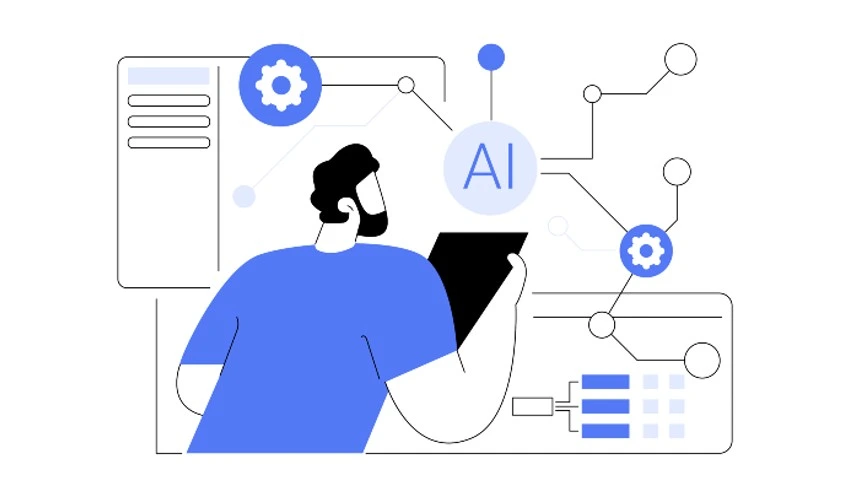
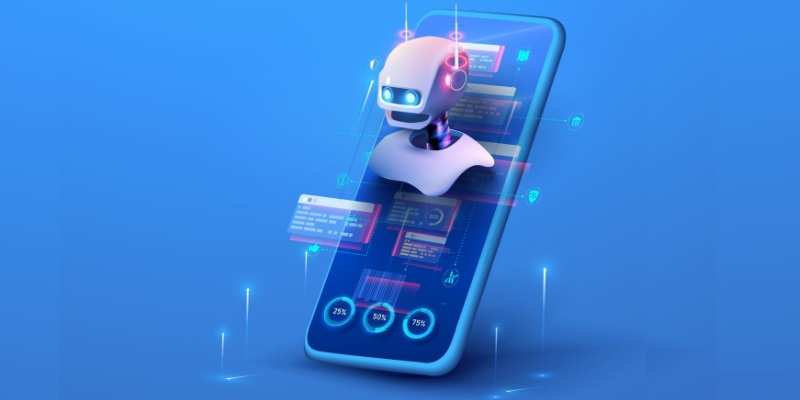
The Rise of Intelligent Automation: AI's Role in Streamlining Mobile App Workflows

In the fast-paced world of mobile application development, speed, efficiency, and quality are paramount. Developers and businesses are constantly seeking ways to accelerate their processes, minimize errors, and deliver exceptional user experiences. Enter intelligent automation, powered by Artificial Intelligence (AI), which is rapidly transforming how mobile apps are designed, built, tested, and deployed. It’s no longer just a buzzword; AI is the silent force behind today’s most successful apps, streamlining workflows and pushing the boundaries of what’s possible.

What is Intelligent Automation in Mobile App Development?

Intelligent automation in mobile app development is the strategic integration of AI, machine learning (ML), and robotic process automation (RPA) to automate complex and repetitive tasks across the entire development lifecycle. Unlike traditional, rules-based automation, AI-driven systems can learn, adapt, and make intelligent decisions, leading to more dynamic and adaptive development processes.

AI’s Impact Across the Mobile App Development Lifecycle:

AI is reshaping every phase of mobile app creation, from the initial concept to post-deployment maintenance:

  • Auto Code Generation and Optimization: AI-powered tools are now capable of generating code snippets and optimizing existing code for performance and efficiency. Tools like GitHub Copilot translate natural language into functional code, drastically reducing the time spent on repetitive coding tasks and improving overall code quality. This translates to accelerated timelines and more scalable app architectures from day one.
  • Enhanced Code Quality and Review: AI-based code review tools are becoming indispensable. They maintain coding standards, spot logical inconsistencies, detect anti-patterns, and suggest improvements in real-time. This not only fosters better collaboration within development teams but also ensures a cleaner, more reliable final product.
  • Proactive Error Detection and Handling: AI algorithms can now detect both hard and “soft” errors (issues that degrade user experience without crashing the app) even before the code reaches production. Machine learning models predict which parts of the application are prone to breakage, enabling proactive error handling and significantly improving app reliability and user satisfaction.
  • Real-Time User Feedback Loops: AI can collect and interpret user behavior data in real-time, providing invaluable insights into what features users love, what confuses them, and what needs improvement. This data-driven approach removes the guesswork from UX design, allowing developers to create apps that continuously learn and evolve based on actual user habits.
  • Smarter DevOps and Deployment: AI significantly enhances DevOps by automating tasks within CI/CD pipelines. It can predict deployment failures, optimize infrastructure usage, and even recommend the best time for app releases based on traffic data. This leads to fewer downtimes and smoother, more efficient rollouts.
  • Fortified Security: Beyond functionality, AI plays a vital role in mobile app security. It helps in detecting anomalies in user behavior, preventing data leaks by identifying suspicious access patterns, and even auto-patching vulnerabilities through machine learning. Biometric-based authentication mechanisms are also enhanced by AI, critical for sensitive applications like fintech and healthcare.

Key Benefits of AI-Powered Automation:

The integration of intelligent automation into mobile app workflows offers a multitude of benefits:

  • Increased Efficiency and Productivity: By automating repetitive and mundane tasks, AI frees up developers to focus on more strategic, creative, and high-value activities. This leads to faster development cycles and quicker time-to-market.
  • Reduced Costs: Automating tasks minimizes manual intervention, leading to significant reductions in labor costs and error-related expenses.
  • Enhanced Accuracy and Quality: AI-driven processes are less prone to human error, resulting in more consistent and higher-quality applications.
  • Improved Scalability: AI-powered workflows can easily scale to handle increased demands without requiring proportional increases in resources, making them highly adaptable to growth.
  • Personalized User Experiences: AI enables hyper-personalization by analyzing user data and behavior, allowing apps to tailor content, recommendations, and interfaces, leading to higher user satisfaction and engagement.
  • Faster Decision-Making: Real-time data analysis and predictive modeling by AI empower faster, more informed decision-making throughout the development process.

The Future is Intelligent:

The rise of intelligent automation is not just a trend; it’s a fundamental shift in how mobile apps are built and experienced. As AI continues to evolve, we can expect even more sophisticated functionalities:

  • Hyper-personalized workflows: AI will personalize development workflows based on individual developer needs, increasing engagement and productivity.
  • Predictive workflow optimization: Systems will anticipate disruptions and bottlenecks in the development pipeline before they occur, allowing for proactive adjustments.
  • More advanced conversational AI: Natural Language Processing (NLP) advancements will lead to even more intuitive and powerful AI assistants within development environments, simplifying complex tasks through natural language commands.
  • Seamless integration with emerging technologies: AI in mobile apps will seamlessly integrate with IoT, AR, and VR, creating even more immersive and interconnected user environments.

The journey into this smart, user-centered app landscape is just beginning. By embracing intelligent automation, mobile app development teams can push boundaries, unlock new possibilities, and create applications that are not just tools, but intuitive companions that understand and adapt to our needs. The future of mobile apps is undoubtedly intelligent, and the possibilities are as vast as our imaginations.

Beyond Basic: How AI is Redefining Personalized Mobile Experiences

Beyond Basic: How AI is Redefining Personalized Mobile Experiences

In today’s hyper-connected world, our smartphones are more than just communication devices; they’re extensions of ourselves, gateways to our digital lives. And increasingly, the experiences they offer are becoming less generic and more intimately tailored to our individual needs and preferences, thanks to the silent but powerful force of Artificial Intelligence (AI). We’re moving “beyond basic” interactions into an era where AI isn’t just a feature, but the very backbone of truly personalized mobile experiences.

Gone are the days of one-size-fits-all mobile interfaces. Today, consumers don’t just want personalization; they demand it. Studies consistently show that a significant majority of users are more likely to engage with brands and apps that offer tailored experiences. And AI is the game-changer making this level of personalization possible at scale, transforming how we interact with our mobile devices in profound ways.

The AI-Powered Revolution: What Does it Look Like?

So, how exactly is AI achieving this remarkable feat? It’s a multi-faceted approach, with AI working tirelessly behind the scenes to understand us better:

  • Learning Your Digital DNA: Behavioral Analysis: From your Browse history and search queries to your in-app clicks and how long you spend on certain content, AI algorithms are constantly analyzing your digital behavior. This isn’t just about what you do, but how you do it, allowing apps to identify patterns and predict your preferences with remarkable accuracy. Think of your favorite streaming service recommending your next binge-worthy show, or an e-commerce app suggesting products you’ll genuinely love – that’s AI in action.
  • Anticipating Your Needs: Predictive Personalization: AI isn’t just reactive; it’s proactive. By leveraging predictive analytics, mobile apps can anticipate your needs before you even consciously express them. Imagine your navigation app suggesting the fastest route based on real-time traffic and your usual commuting patterns, or a health app reminding you to hydrate based on your activity levels and the weather. This anticipatory approach creates a seamless, almost intuitive experience.
  • Dynamic UI/UX Adaptation: The mobile interface itself is becoming dynamic. AI can adapt app layouts, themes, and settings based on your individual preferences and usage patterns. This means your app literally reconfigures itself to be more user-friendly and efficient for you, reducing friction and improving overall usability.
  • Smarter Assistants and Conversational AI: Voice assistants like Siri and Google Assistant are continuously evolving, becoming more adept at understanding natural language commands, learning your speech patterns, and even recognizing emotional cues. This makes hands-free interactions more seamless and allows for more complex, multi-turn conversations, making your mobile device a truly intelligent companion.
  • Hyper-Personalized Content Feeds: Whether it’s your social media feed, news aggregator, or music playlist, AI-driven content curation is king. These algorithms cut through the noise, bringing what you actually want to engage with right to the forefront, making every interaction feel uniquely curated for you.
  • Beyond the Screen: Integrated AI: AI’s influence extends beyond the app itself. It’s enhancing mobile photography with intelligent camera features, improving mobile security with biometric authentication and fraud detection, and even optimizing battery life and device performance by intelligently allocating resources.

The Benefits Are Clear

The impact of AI-driven personalization is evident across various aspects of the mobile experience:

  • Enhanced User Experience (UX): This is the core benefit. When apps feel like they understand and cater to individual needs, the user experience becomes more enjoyable, intuitive, and efficient.
  • Increased Engagement and Retention: Personalized content and recommendations keep users engaged for longer, leading to higher app usage and improved customer loyalty.
  • Higher Conversion Rates: For businesses, tailored product recommendations and targeted offers significantly increase the likelihood of a purchase or desired action.
  • Time-Saving and Convenience: AI eliminates the need for manual searching by offering smart, instant suggestions, simplifying daily tasks and decision-making.
  • Improved Accessibility: AI-driven features like voice commands and object recognition make mobile experiences more accessible for users with disabilities, fostering inclusivity.

The Road Ahead: Ethical Considerations and the Future

While the benefits are undeniable, the rise of AI-powered personalization also brings important considerations, particularly around data privacy and algorithmic bias. Transparent data policies, clear opt-in/opt-out options, and robust security measures are crucial to maintaining user trust. Developers and companies must prioritize ethical AI practices to ensure that personalization enhances rather than exploits the user experience.

Looking ahead to 2025 and beyond, we can expect AI in mobile to reach even greater heights. Anticipatory personalization will become even more sophisticated, with devices predicting needs before they arise. Integration with emerging technologies like 6G and advanced augmented reality (AR) will create truly immersive and context-aware experiences. Our mobile devices will continue to evolve into indispensable, intelligent companions, making our digital lives more seamless, efficient, and uniquely ours.

AI isn’t just changing how we use our phones; it’s redefining what a personalized mobile experience truly means, pushing us beyond basic interactions into a future where every tap, swipe, and voice command feels precisely tailored to you.

How Much Does It Cost to Build a Travel Booking App?

How Much Does It Cost to Build a Travel Booking App?

In a digital world where convenience is king, travel booking apps like MakeMyTrip, Booking.com, and Expedia have become essential tools for modern travelers. Whether you’re a startup venturing into the travel tech space or an established brand aiming to go mobile-first, one critical question arises:

How much does it cost to build a travel booking app?

Let’s break it down.


🧩 Factors That Influence Travel App Development Cost

1. App Features & Complexity

The more robust and feature-rich your app is, the higher the cost. Basic apps are cheaper, while complex platforms with AI recommendations, real-time bookings, and integrated payment gateways require more resources.

Core features include:

  • User registration & profile
  • Search & filters (hotels, flights, activities)
  • Booking engine
  • Payment integration
  • Reviews & ratings
  • Notifications
  • Admin dashboard

Advanced features:

  • AI-based recommendations
  • Multi-language & currency support
  • Loyalty programs
  • Integration with GDS/APIs (Amadeus, Sabre)
  • Chatbots or travel assistants
  • Travel insurance or visa support

2. Platform: iOS, Android or Both

  • Single platform (iOS or Android): Lower cost.
  • Cross-platform or Native apps for both: Higher but scalable.

3. Design Complexity

Custom UI/UX, animations, and transitions add to the cost. Travel apps need sleek and intuitive interfaces to improve conversions.

4. Backend Development

Handling real-time inventory, booking data, user analytics, and integrating third-party APIs requires a solid backend—contributing significantly to overall costs.

5. Development Team

Your cost will depend heavily on who builds the app:

  • Freelancers: $10,000–$30,000
  • Mid-tier agencies: $30,000–$80,000
  • High-end agencies or global firms: $80,000–$200,000+

6. Geographic Location of Developers

Rates vary across regions:

  • India/Asia: $20–$50/hr
  • Eastern Europe: $40–$100/hr
  • USA/UK: $100–$250/hr

💰 Average Cost Breakdown

Here’s a rough estimate based on complexity:

App TypeEstimated CostTimeline
Basic App (MVP)$20,000 – $40,0003–4 months
Mid-Level App$40,000 – $80,0004–6 months
High-End App (with AI, API)$80,000 – $150,000+6–10+ months

🧑‍💻 Ongoing Costs to Consider

  • Hosting & infrastructure: $200–$1,000/month
  • Maintenance & updates: 15–20% of initial cost/year
  • Marketing & user acquisition: Varies based on scale
  • Third-party API costs: Dynamic, based on usage

🚀 How to Optimize Cost

  • Start with an MVP and iterate based on feedback.
  • Use pre-built SDKs or APIs instead of custom building everything.
  • Outsource to experienced app development companies in cost-effective regions.
  • Use cross-platform frameworks like Flutter or React Native.

📌 Final Thoughts

Building a travel booking app is a strategic investment. While costs can vary widely based on your vision and scope, starting with a clear roadmap and a reliable tech partner can save both time and money.

If you’re planning to build a travel booking app and want expert guidance or a free quote tailored to your needs, our team at Winklix is here to help.


Want a personalized estimate for your travel app?
👉 Drop us a message or schedule a consultation.