

Mobile App Development Trends You Can’t Ignore in 2025

Mobile App Development Trends You Can’t Ignore in 2025

The mobile app development landscape is constantly evolving, with new technologies and user demands shaping the future. As we move into 2025, several trends are emerging that app developers and businesses alike cannot afford to overlook. Staying ahead of these trends can provide a competitive edge, enhance user experience, and open new revenue streams. Here are the top mobile app development trends you must watch in 2025.

1. Artificial Intelligence (AI) and Machine Learning (ML) Integration

AI and ML continue to revolutionize mobile app development. In 2025, expect to see more AI-driven features such as personalized app experiences, predictive analytics, and advanced chatbots. AI will also power natural language processing (NLP) tools, voice search, and AI-driven content creation. Developers will leverage AI to improve app performance, security, and personalization, providing more user-centric experiences.

Key Takeaway: Apps that leverage AI for personalization and automation will gain a significant edge in customer engagement and retention.


2. Rise of 5G-Powered Applications

The widespread adoption of 5G is a game-changer for mobile apps. With ultra-fast speeds, low latency, and higher connectivity, 5G will enable the development of richer, more immersive app experiences. Video streaming, AR/VR applications, and real-time gaming apps will flourish with 5G’s capabilities. Developers can create high-performance apps that were previously limited by 4G connectivity constraints.

Key Takeaway: Apps that harness the power of 5G will provide lightning-fast experiences, setting them apart from the competition.


3. Augmented Reality (AR) and Virtual Reality (VR) Experiences

AR and VR technologies are not just for gaming anymore. In 2025, they’ll play a major role in education, healthcare, real estate, and retail. Retail apps will leverage AR to let users visualize products in their homes before purchase, while the education sector will offer immersive learning experiences. This trend will continue to grow as AR/VR hardware becomes more affordable and accessible.

Key Takeaway: AR/VR-driven apps will offer unique, immersive experiences that increase user engagement and brand loyalty.


4. Super Apps: All-in-One Platforms

Super apps, inspired by WeChat’s success, are becoming more popular globally. These multi-functional apps offer services like payments, messaging, shopping, and social networking under one roof. Companies like Grab and Gojek have shown the viability of this approach. In 2025, expect more companies to develop super apps to provide a unified, streamlined experience for users.

Key Takeaway: Super apps are the future of convenience, and businesses that adopt this model will attract a larger, more engaged user base.


5. Progressive Web Apps (PWAs) for a Seamless Experience

Progressive Web Apps (PWAs) continue to blur the line between mobile websites and native apps. In 2025, more companies will use PWAs to provide an app-like experience without requiring a download. They are lightweight, fast, and offer offline functionality, making them an attractive option for businesses looking to reduce development costs and reach wider audiences.

Key Takeaway: PWAs provide a cost-effective, user-friendly alternative to native apps, especially for companies with limited budgets.


6. Blockchain for Enhanced Security and Transparency

Blockchain technology is reshaping app security. In 2025, expect to see more apps leveraging blockchain to protect user data, ensure transparency, and facilitate secure payments. Blockchain’s decentralized nature makes it ideal for apps dealing with financial transactions, healthcare records, and personal identification.

Key Takeaway: Apps that prioritize security and transparency through blockchain will build greater trust with users.


7. Wearable App Integration

Wearable devices like smartwatches and fitness trackers are driving demand for wearable apps. In 2025, mobile apps will have to be compatible with wearable devices to stay relevant. Health and fitness apps will benefit the most from this trend, offering users real-time tracking, health insights, and personalized fitness plans.

Key Takeaway: Apps with wearable device integration will appeal to health-conscious users seeking real-time, connected experiences.


8. IoT-Connected Mobile Apps

The Internet of Things (IoT) is revolutionizing the way devices interact with mobile apps. Smart home systems, connected appliances, and smart cars are all part of the IoT ecosystem. In 2025, mobile apps will play a vital role in controlling and managing IoT devices, creating a seamless, connected experience for users.

Key Takeaway: IoT-enabled apps will become essential tools for managing smart devices, offering users greater control and convenience.


9. Voice-Activated Apps and Voice Search

Voice search is transforming the way users interact with apps. Voice-activated apps will continue to gain momentum in 2025 as voice assistants like Siri, Alexa, and Google Assistant become more sophisticated. Businesses will incorporate voice search into their apps to improve accessibility and usability, especially for users on the go.

Key Takeaway: Voice-activated apps will become indispensable for hands-free, voice-first experiences.


10. Focus on Cybersecurity and Data Privacy

With increased scrutiny on data privacy laws like GDPR and CCPA, app developers must prioritize security and compliance. In 2025, developers will incorporate privacy-first features such as end-to-end encryption, biometric authentication, and privacy dashboards. Transparency in data handling will become a key factor in user trust and brand reputation.

Key Takeaway: Apps with robust privacy and security features will earn user trust, especially in an era of growing data protection regulations.


Conclusion

As we enter 2025, mobile app development is poised for a transformative shift. Trends like AI, 5G, AR/VR, blockchain, and IoT will continue to reshape the industry. Businesses and developers who embrace these trends will be well-positioned to deliver innovative, secure, and user-centric experiences. Staying ahead of these trends will ensure apps remain relevant, competitive, and capable of meeting the ever-evolving demands of users.
The Ultimate Guide to Hiring a Cross-Platform App Developer

The Ultimate Guide to Hiring a Cross-Platform App Developer

In today’s digital-first world, having a mobile application for your business is no longer optional; it’s essential. Whether you run a startup or an established enterprise, a mobile application can significantly boost customer engagement, streamline operations, and even create new revenue streams. However, with diverse platforms like iOS and Android dominating the market, developing a native app for each can be both time-consuming and costly. This is where hiring a cross-platform app developer becomes crucial.

If you are searching for an app development company in Delhi or a reliable mobile app development company in Delhi, this guide will help you navigate the hiring process efficiently while ensuring you select the right candidate or agency for your project.


What is Cross-Platform App Development?

Cross-platform app development involves creating a single application that runs seamlessly on multiple platforms, such as Android and iOS. Technologies like Flutter, React Native, Xamarin, and others have made this approach popular because it saves time and resources compared to native app development.

By opting for cross-platform development, you can reach a broader audience with a unified codebase, maintain consistency in user experience, and accelerate the time-to-market for your application.


Why Hire a Cross-Platform App Developer?

Before we dive into the how-to part, let’s understand why hiring a cross-platform app developer is a strategic move:

  1. Cost Efficiency:
    Cross-platform developers use a single codebase, which reduces development costs compared to hiring separate teams for iOS and Android.
  2. Faster Development:
    With tools like Flutter or React Native, developers can speed up the coding process and launch apps in a shorter timeframe.
  3. Consistent User Experience:
    Cross-platform apps ensure uniformity in design and functionality across different devices.
  4. Ease of Maintenance:
    A unified codebase means that bug fixes, updates, and enhancements can be rolled out simultaneously for all platforms.

If you’re partnering with a leading mobile app developer in Delhi or an app development company Delhi, ensure they have expertise in cross-platform technologies to make the most of these benefits.


Steps to Hire the Right Cross-Platform App Developer

1. Define Your Requirements

The first step is to have a clear understanding of your project goals. Consider the following questions:

  • What is the primary purpose of the app?
  • Who is your target audience?
  • What features and functionalities do you need?

Having a detailed project brief will make it easier to communicate your requirements to the developer or mobile app development company in Delhi.


2. Choose the Right Development Platform

Different cross-platform frameworks have varying strengths. For instance:

  • Flutter: Ideal for high-performance apps with a rich UI.
  • React Native: Best for apps requiring quick development cycles.
  • Xamarin: Suitable for enterprise-level applications with a focus on scalability.

When hiring a developer, ensure they specialize in the platform best suited for your project.


3. Search for Candidates or Agencies

There are two primary options:

  • Freelance Developers: Look for professionals on platforms like Upwork, Freelancer, or Toptal.
  • App Development Companies: Partnering with an app development company in Delhi can provide a more reliable and streamlined experience, as companies often have a team of skilled professionals with diverse expertise.

4. Evaluate Experience and Portfolio

Examine the developer’s portfolio to gauge their expertise in cross-platform development. Look for:

  • Apps they’ve developed on platforms like iOS and Android.
  • User interface design and functionality.
  • Client reviews and testimonials.

If you’re considering a mobile app developer in Delhi, ask for local references or projects they’ve completed for businesses in your area.


5. Assess Technical Skills

Cross-platform app development requires specific skills. Ensure the developer is proficient in:

  • Programming languages like Dart (for Flutter) or JavaScript (for React Native).
  • Backend technologies for integration.
  • UI/UX design principles to deliver a seamless experience.

A top-notch app development company in Delhi will typically have developers well-versed in these areas.


6. Discuss Communication and Collaboration

Effective communication is essential for project success. Ensure the developer or agency can:

  • Provide regular updates on project progress.
  • Collaborate with your team effectively.
  • Address feedback promptly.

7. Evaluate Pricing and Contracts

Get a clear breakdown of the development costs. Some factors that influence pricing include:

  • Project complexity.
  • Features and integrations.
  • Timeframe for delivery.

Whether you’re hiring a freelance app developer in Delhi or partnering with a mobile app development company Delhi, ensure that all terms are outlined in a formal contract.


Advantages of Working with a Delhi-Based App Developer

Delhi is home to a thriving tech ecosystem, making it a hub for mobile app development talent. Here are some reasons to consider hiring a mobile app developer in Delhi:

  1. Access to Skilled Professionals:
    Delhi boasts a large pool of talented developers skilled in cross-platform technologies.
  2. Cost-Effective Solutions:
    Development costs in Delhi are often more affordable compared to other metropolitan areas, without compromising on quality.
  3. Local Expertise:
    mobile app development company in Delhi understands the local market and can tailor your app to resonate with your target audience.

Red Flags to Watch Out For

When hiring a developer, beware of these warning signs:

  • Lack of a portfolio or references.
  • Overpromising timelines or drastically low pricing.
  • Poor communication skills.
  • Limited knowledge of cross-platform technologies.

Choosing a reputable app development company in Delhi minimizes these risks, as established companies often have proven processes and experienced teams.


Conclusion

Hiring a cross-platform app developer is a critical decision that can significantly impact the success of your mobile application. By following the steps outlined above, you can ensure a smooth hiring process and find the right professional or agency to bring your app vision to life.

Whether you’re looking for a freelance developer or a trusted mobile app development company in Delhi, prioritize skills, experience, and communication to make your project a success.

If you’re ready to take the plunge, start your search with top-rated developers or agencies specializing in cross-platform app development. With the right partner, you can create a feature-rich, high-performance app that resonates with your audience and achieves your business goals.


For businesses in the region, partnering with an experienced app development company in Delhi can be the key to unlocking your app’s potential while ensuring timely delivery and exceptional quality. Take the first step towards transforming your idea into a successful mobile application today!

Building a Solar Panel Monitoring App: Key Steps, Features, Costs, and Advantages

How to Build a Solar Panel Monitoring App: Process, Features, Cost, and Benefits

The growing adoption of solar energy has made solar panel monitoring systems indispensable for efficient energy management. With solar energy systems installed worldwide, users need apps to monitor their solar installations, optimize performance, and address issues in real-time. This demand has given rise to the development of specialized solar panel monitoring apps. For businesses aiming to tap into this industry, partnering with a reliable app development company or a seasoned mobile app development company in New York can be crucial. This guide will walk you through the process, features, costs, and benefits of building a solar panel monitoring app.


What is a Solar Panel Monitoring App?

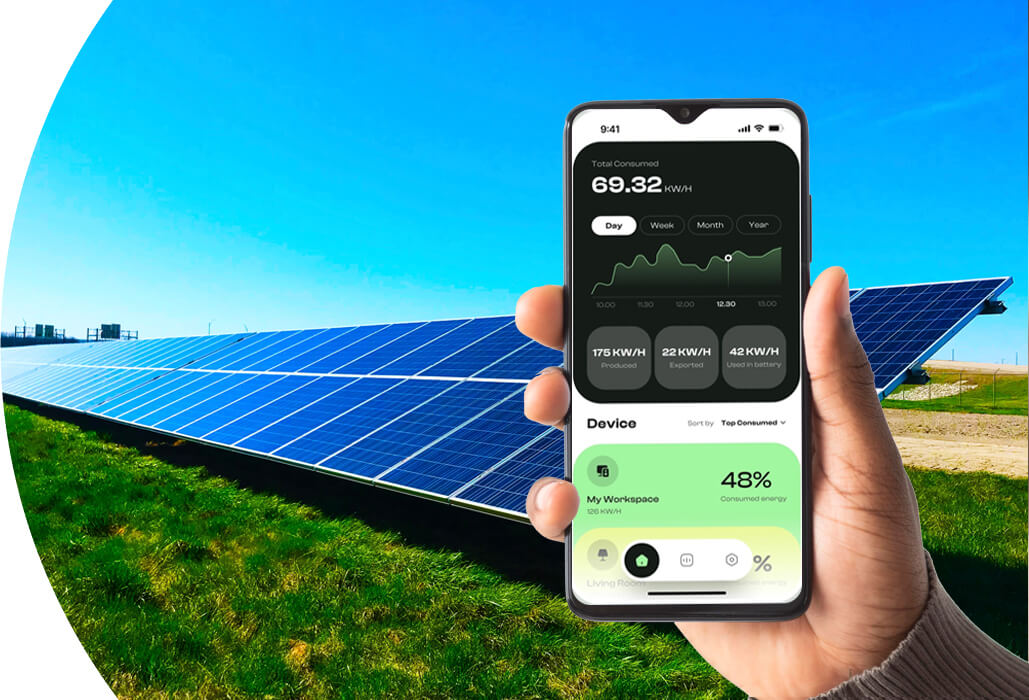
A solar panel monitoring app is a software tool that enables users to track the performance, energy output, and efficiency of their solar panels in real time. These apps provide valuable insights into energy production, consumption, savings, and system health. They can also send alerts for maintenance needs or system failures, ensuring optimal operation.


Key Features of a Solar Panel Monitoring App

When building a solar panel monitoring app, focus on incorporating features that add value to the user experience. Here are the key features you should consider:

1. Dashboard and Real-Time Monitoring

  • Provides a centralized view of energy production, consumption, and efficiency.
  • Displays metrics such as power output, weather conditions, and system health in real time.

2. Energy Consumption Analysis

  • Breaks down energy usage patterns, helping users optimize consumption.
  • Highlights peak and off-peak hours for better energy management.

3. Alerts and Notifications

  • Sends alerts for system faults, maintenance schedules, or low performance.
  • Customizable notifications based on user preferences.

4. Historical Data and Reports

  • Allows users to view historical performance data.
  • Generates detailed reports on energy production and savings.

5. Remote Control and Integration

  • Enables users to control inverters or batteries remotely.
  • Integrates with IoT devices and smart home systems for seamless operations.

6. User-Friendly Interface

  • Offers an intuitive interface with easy-to-navigate features.
  • Ensures accessibility for both novice and experienced users.

7. Multi-User Support

  • Facilitates access for multiple users such as homeowners, maintenance teams, or company administrators.
  • Customizes permissions and data visibility based on roles.

8. Weather Forecast Integration

  • Provides weather forecasts to predict energy production based on sunlight availability.

9. Sustainability Insights

  • Displays carbon savings and environmental impact metrics.
  • Encourages users to adopt greener energy practices.

10. Support and Troubleshooting

  • Includes a customer support portal for technical assistance.
  • Provides resources such as FAQs, troubleshooting guides, and contact options.

Steps to Build a Solar Panel Monitoring App

1. Research and Planning

  • Understand the needs of your target audience and their challenges.
  • Study competitors’ apps to identify features that stand out.

2. Define Core Features

  • Prioritize must-have features based on user requirements.
  • Create a feature roadmap for gradual scaling.

3. UI/UX Design

  • Develop a user-centric design that enhances the app’s usability.
  • Focus on simplicity and clarity for easy navigation.

4. Select the Right Technology Stack

  • Choose robust technologies for backend, frontend, and database management.
  • Incorporate APIs for weather data, IoT integration, and more.

5. Hire Experienced Developers

  • Partner with an experienced app development company or an app development agency in New York.
  • Ensure the team has expertise in IoT, energy systems, and app development.

6. Develop and Test

  • Begin with a minimum viable product (MVP) to validate your idea.
  • Test the app rigorously for performance, security, and usability.

7. Launch and Monitor

  • Release the app on major platforms like iOS and Android.
  • Monitor its performance and gather user feedback for improvements.

Cost of Building a Solar Panel Monitoring App

The cost of developing a solar panel monitoring app depends on various factors:

1. App Complexity

  • Basic app with limited features: $15,000–$30,000
  • Mid-level app with additional features: $30,000–$60,000
  • Advanced app with IoT and AI integration: $60,000–$120,000

2. Development Team

3. Platform

  • Developing for both Android and iOS will cost more than a single platform.
  • Cross-platform development using frameworks like Flutter or React Native can reduce costs.

4. Maintenance

  • Regular updates, bug fixes, and feature additions can cost 15–20% of the initial development cost annually.

Benefits of a Solar Panel Monitoring App

1. Improved Energy Efficiency

  • Users can optimize their energy consumption based on real-time data and insights.

2. Cost Savings

  • By tracking and adjusting usage patterns, users save on electricity bills.

3. System Longevity

  • Regular monitoring and timely maintenance increase the lifespan of solar systems.

4. Environmental Impact

  • Encourages sustainable energy practices by highlighting carbon savings.

5. Convenience

  • Remote control features make energy management hassle-free.

6. Competitive Edge for Businesses

  • Companies providing monitoring apps as part of their services can differentiate themselves in the market.

Why Choose an App Development Agency in New York?

If you’re planning to build a solar panel monitoring app, collaborating with an app development company or an app development agency in New York can offer several advantages:

  • Expertise in Energy Apps: New York-based developers often have experience working with green technology apps.
  • Access to Top Talent: The city’s vibrant tech ecosystem attracts some of the best app developers.
  • Localized Services: An app developer in New York understands the unique needs of the U.S. market, ensuring better user engagement.

Final Thoughts

Building a solar panel monitoring app is a rewarding venture for businesses looking to tap into the renewable energy market. The app’s features, development process, and cost considerations play a pivotal role in its success. Partnering with an experienced mobile app development company in New York ensures that your app meets the highest standards of quality and functionality.

As the world shifts towards sustainable energy solutions, a well-designed solar panel monitoring app can empower users to make informed decisions, optimize their energy usage, and contribute to a greener planet. Whether you’re a startup or an established business, the right app development team can turn your vision into reality.


Need a reliable partner to build your solar panel monitoring app? Connect with an app development agency in New York today to start your journey toward innovative energy solutions!