

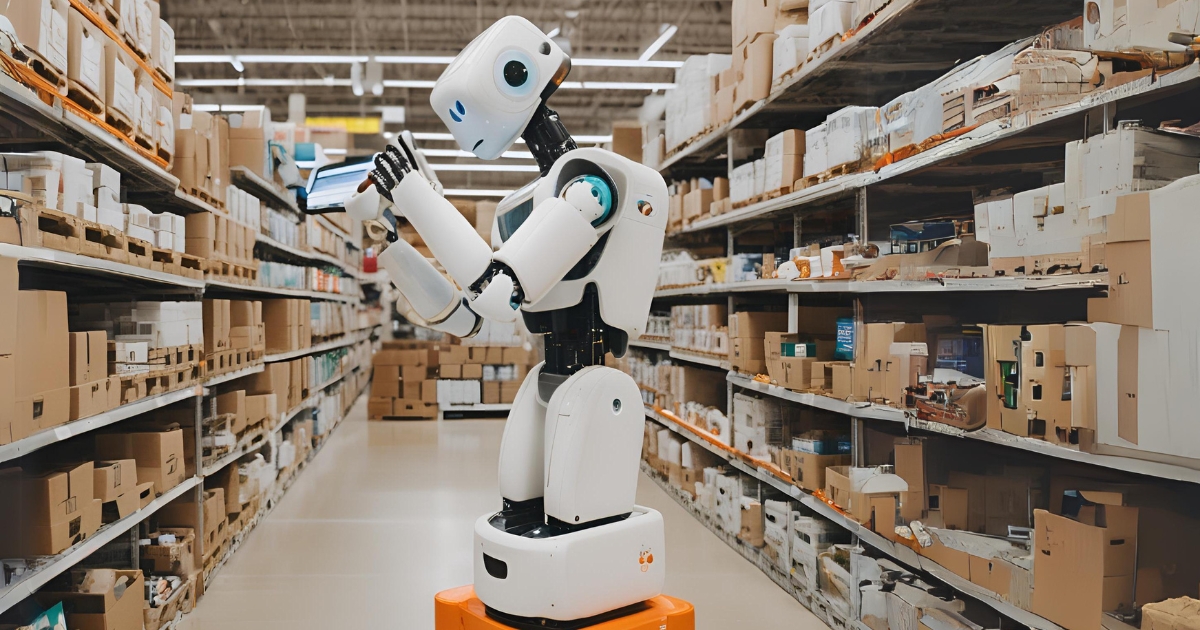
How AI in Inventory Management Revolutionizes Modern Business Operations

How AI in Inventory Management Revolutionizes Modern Business Operations

In today’s highly competitive business landscape, efficiency and precision in operations determine long-term success. Among the most crucial aspects of business operations lies inventory management, which directly impacts cash flow, customer satisfaction, and overall profitability. Traditionally, inventory management relied on manual tracking and basic software systems that often led to errors, overstocking, or stockouts. However, with the rise of Artificial Intelligence (AI), businesses are experiencing a radical transformation in how they monitor, forecast, and optimize inventory.

Companies across industries—from retail and e-commerce to manufacturing and logistics—are embracing AI-driven solutions to ensure smarter inventory control. Partnering with an AI development company in Dubai has become a popular choice for businesses in the Middle East looking to stay competitive in global markets.


Why AI in Inventory Management is a Game-Changer

1. Accurate Demand Forecasting

AI algorithms can analyze vast amounts of historical sales data, seasonal trends, and market fluctuations to predict future demand with unmatched accuracy. This helps businesses maintain optimal stock levels while minimizing overstocking and stockouts. Working with an AI developer in Dubai ensures businesses get tailored forecasting models that adapt to local and global business needs.

2. Real-Time Inventory Tracking

AI-powered systems provide real-time visibility of inventory across multiple locations. Using IoT sensors, RFID, and AI analytics, managers can track stock levels, identify bottlenecks, and make data-driven decisions instantly. This improves supply chain efficiency and prevents costly disruptions.

3. Automated Reordering and Stock Optimization

Instead of manually monitoring stock and placing orders, AI systems automatically trigger reordering when inventory hits predefined thresholds. This level of automation reduces human error and ensures a smooth flow of products. Businesses can leverage AI development services in Dubai to integrate automation seamlessly with existing ERP and supply chain systems.

4. Enhanced Supplier Management

AI analyzes supplier performance, delivery timelines, and quality metrics to identify the most reliable vendors. By partnering with an artificial intelligence development company in Dubai, businesses can strengthen supplier relationships and minimize risks of delays or poor-quality supplies.

5. Cost Reduction and Improved Profit Margins

AI-driven insights minimize waste, reduce storage costs, and enhance operational efficiency. For example, predictive analytics can help retailers avoid tying up capital in slow-moving stock, thereby freeing up resources for high-demand products.


Benefits of AI-Powered Inventory Systems for Modern Businesses

  • Improved accuracy – AI eliminates guesswork and human error.
  • Scalability – AI systems adapt as businesses grow and expand globally.
  • Customer satisfaction – By ensuring timely product availability, businesses boost brand loyalty.
  • Data-driven decision making – Executives gain deeper insights into operations for better strategy planning.

Forward-thinking businesses are increasingly collaborating with AI development companies in Dubai to implement intelligent inventory systems that align with regional and international business requirements.


Why Dubai is Becoming a Hub for AI-Powered Business Solutions

Dubai has positioned itself as a global leader in digital transformation, offering a robust infrastructure, government support, and a thriving ecosystem for AI innovation. By choosing an AI development company in Dubai, organizations can access top-tier expertise, cutting-edge technologies, and industry-specific solutions.

Whether you’re a startup, SME, or enterprise, working with an artificial intelligence development company in Dubaiensures that your inventory management system is tailored to your unique business model. With numerous AI development services in Dubai available, businesses can integrate AI solutions that not only optimize inventory but also enhance overall operational efficiency.


Final Thoughts

AI in inventory management is no longer a futuristic concept—it is a present-day necessity for businesses aiming to stay agile, cost-effective, and customer-centric. From predictive analytics to real-time tracking and automated reordering, AI empowers organizations to turn inventory management into a strategic advantage.

If you’re looking to revolutionize your operations, partnering with an AI developer in Dubai is the key to unlocking sustainable growth. By leveraging the expertise of AI development companies in Dubai, you can ensure that your business remains at the forefront of innovation in today’s fast-paced global economy.
The Playbook of the Future: How Generative AI is Changing Sports

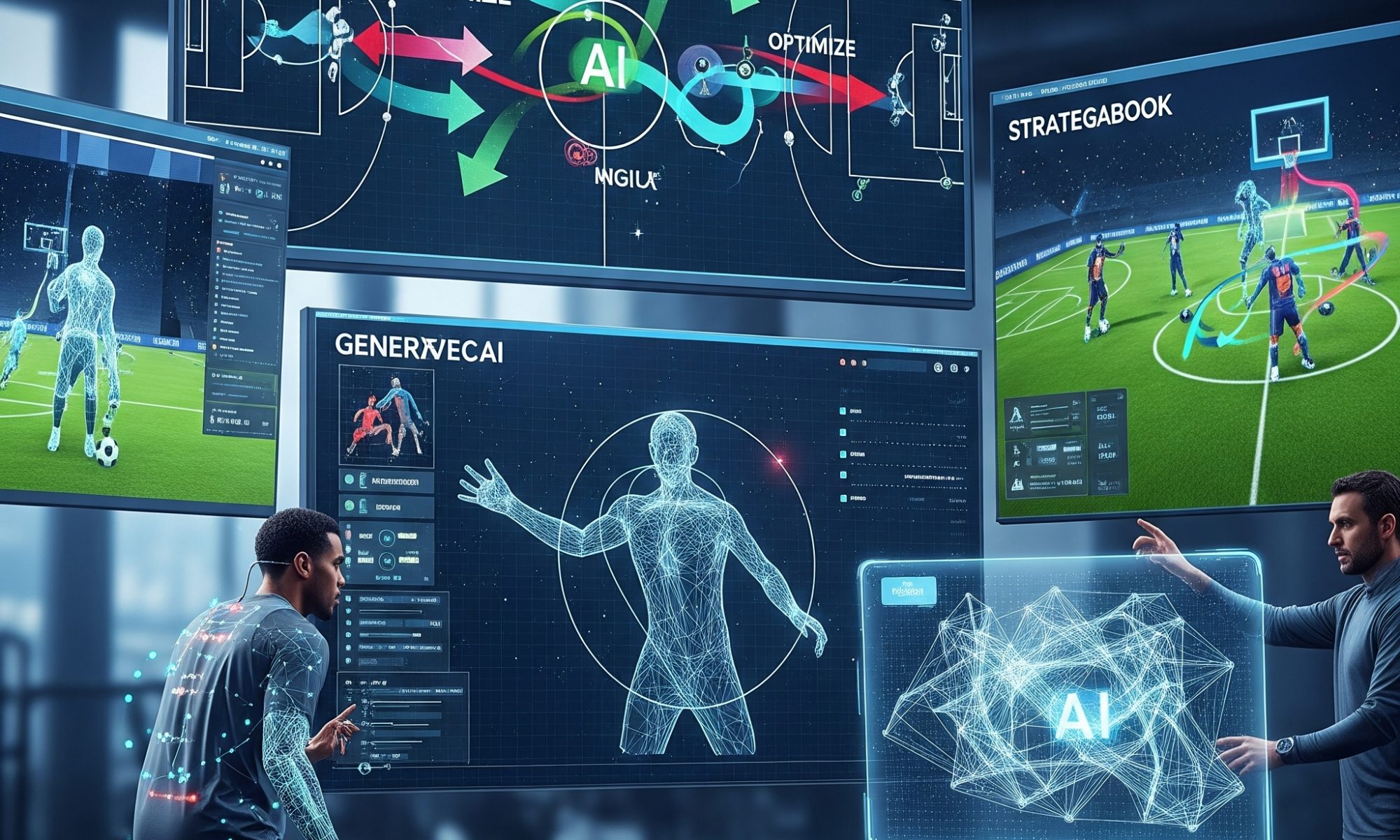
The Playbook of the Future: How Generative AI is Changing Sports

For decades, the sports world has relied on analytics to gain an edge. Coaches and analysts poured over statistical data and video clips, searching for patterns and tendencies. But a new era is dawning. Generative AI, a transformative technology capable of creating entirely new content and insights, is moving beyond simple analysis to actively invent new plays, simulate scenarios, and create personalized training environments. It’s the difference between studying history and creating the future.

The AI-Generated Playbook: From Data to Creation

Traditional sports analytics have always been about understanding what happened. Generative AI, however, takes that understanding and uses it to construct something that has never existed before. By ingesting petabytes of game footage, player biometric data, and historical team strategies, these models learn the fundamental “rules” of a sport. They can identify the subtle movements of a defender, the optimal angle for a pass, and the precise moment to make a cut.

With this knowledge, a coach can pose a specific challenge: “Generate a new offensive play to score from the 20-yard line against a 4-3 defense with a zone blitz.” The AI won’t just pull a play from a database; it will synthesize a new one, complete with detailed player routes, timing adjustments, and even alternative options based on the defense’s response. This capability allows teams to surprise opponents with fresh, unpredictable strategies, ensuring they are always innovating and never stagnating.

The Digital Twin Opponent: Practice Against Perfection

One of the most powerful applications of generative AI is the creation of a “digital twin.” This is a hyper-realistic virtual replica of an opposing player, an entire team, or even a coach’s tactical philosophy. Unlike a simple video simulation, this digital twin learns and adapts. It can mimic an opponent’s individual habits, like a quarterback’s pre-snap reads or a striker’s preferred dribbling direction.

This allows athletes to train against a virtual version of their next opponent that is as dynamic and unpredictable as the real thing. A basketball team can run drills against a digital twin of an opposing squad, practicing their offense against that team’s specific pick-and-roll coverage and defensive rotations. The AI learns from each interaction, refining the digital twin’s behavior to provide a training experience that is both challenging and hyper-relevant.

Hyper-Personalized Training in VR

Beyond team strategy, Generative AI is tailoring training down to the individual athlete. VR training environments, once simple and static, are now being powered by AI to become truly interactive. The AI can analyze a player’s biomechanical data from wearable sensors and then generate a workout that addresses their specific weaknesses.

For example, a pitcher struggling with control could enter a VR environment where the AI generates thousands of unique batting scenarios, each one designed to test their accuracy under pressure. If the AI detects a slight change in the pitcher’s arm angle—a potential precursor to injury—it can immediately adjust the drill, providing real-time feedback and corrective guidance. This level of personalized, adaptive training maximizes performance gains while simultaneously minimizing the risk of injury, all without the physical strain of an in-person practice.

A New Frontier in Scouting and Talent Identification

The impact of generative AI also extends to talent acquisition. For years, scouting has been a mix of data and intuition. Generative AI is now providing a third dimension: a predictive capability. By analyzing a potential recruit’s college or amateur game data, the AI can simulate how they would perform in a professional system. It can generate “what-if” scenarios, such as how a player’s stats might change if they were paired with a different teammate or if they had a heavier workload. This helps scouts and GMs make more objective, data-driven decisions and uncovers hidden gems in lower-profile leagues who might have been overlooked by traditional methods.

In conclusion, Generative AI is ushering in a new age of sports. From crafting innovative game plans and creating perfect practice partners to building customized training regimens and revolutionizing scouting, this technology is providing a powerful, creative engine for teams and athletes alike. The future of sports will be defined not just by talent and hard work, but by the intelligence of the system that helps them prepare and perform.

The Rise of AI-Powered Predictive Maintenance in Manufacturing

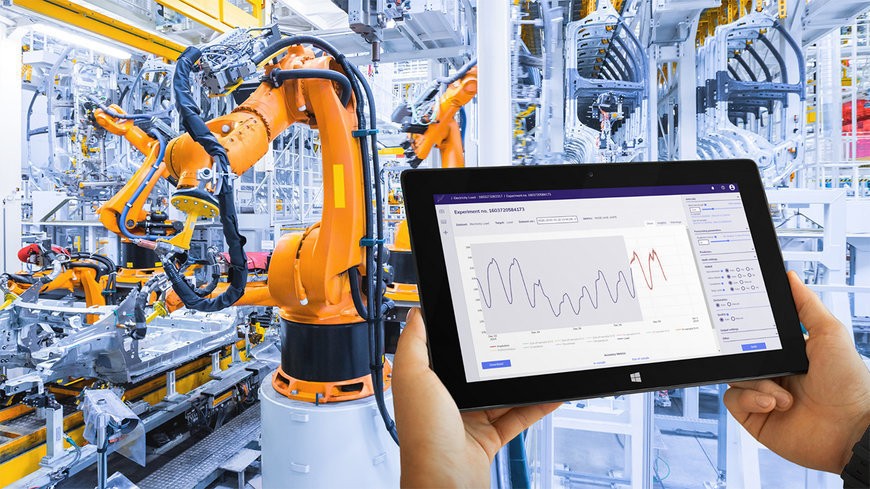
The Rise of AI-Powered Predictive Maintenance in Manufacturing

In the rapidly evolving world of manufacturing, staying competitive means constantly optimizing processes, reducing downtime, and increasing efficiency. A major driver of this transformation is the integration of artificial intelligence (AI), particularly in the realm of predictive maintenance. AI-powered predictive maintenance is revolutionizing how companies manage their assets, moving from reactive or preventative strategies to a more proactive, data-driven approach.


What is Predictive Maintenance?

Traditionally, maintenance in manufacturing has followed two primary models:

  • Reactive Maintenance: This is a “run-to-failure” approach where repairs are only performed after a machine breaks down. This often leads to costly, unplanned downtime and can result in significant production losses.
  • Preventative Maintenance: This involves scheduled maintenance at fixed intervals, regardless of the machine’s actual condition. While better than reactive maintenance, it can be inefficient, leading to unnecessary part replacements and labor costs.

Predictive maintenance, however, uses data and analytics to predict when an asset is likely to fail, allowing maintenance to be scheduled at the optimal time. This minimizes downtime and maximizes the lifespan of equipment.


How AI is Revolutionizing the Field

The introduction of AI has supercharged predictive maintenance. Instead of simple rule-based systems, AI models, particularly machine learning algorithms, can analyze vast amounts of data from sensors on manufacturing equipment. This data includes vibration, temperature, pressure, and acoustic signals. By identifying patterns and anomalies that precede a failure, these AI models can predict with high accuracy when a component is about to fail.

An AI development company in New York can help manufacturers implement these sophisticated systems. For instance, they might develop a custom solution that integrates with a factory’s existing sensors to collect real-time data. An experienced AI developer in New York can then build and train machine learning models to interpret this data, providing early warnings about potential equipment failures.


Key Benefits of AI-Powered Predictive Maintenance

The adoption of AI in maintenance offers a multitude of benefits:

  1. Reduced Downtime: By predicting failures, companies can schedule maintenance during planned shutdowns, eliminating costly, unexpected production halts.
  2. Cost Savings: Fewer unplanned repairs and a reduction in unnecessary preventative maintenance lead to significant savings on parts, labor, and production losses.
  3. Improved Safety: Identifying potential failures before they happen reduces the risk of dangerous equipment malfunctions and workplace accidents.
  4. Optimized Resource Allocation: Maintenance teams can focus on critical tasks, and spare parts can be ordered just in time, reducing inventory costs.
  5. Increased Asset Lifespan: By addressing issues proactively, the lifespan of expensive machinery is extended.

This is why many businesses are turning to an artificial intelligence development company in New York to help them build a more resilient and efficient manufacturing operation. The right AI development services in New York can provide the expertise needed to navigate the complexities of data integration, model development, and system deployment.


Looking Ahead

As manufacturing continues to embrace digital transformation, the role of AI in predictive maintenance will only grow. The ability to forecast equipment failure with high accuracy is not just a technological advancement—it’s a strategic business advantage. For companies in search of a competitive edge, partnering with the right AI development companies in New York is becoming an essential step. These firms are at the forefront of innovation, helping manufacturers harness the power of AI to build smarter, safer, and more productive factories.