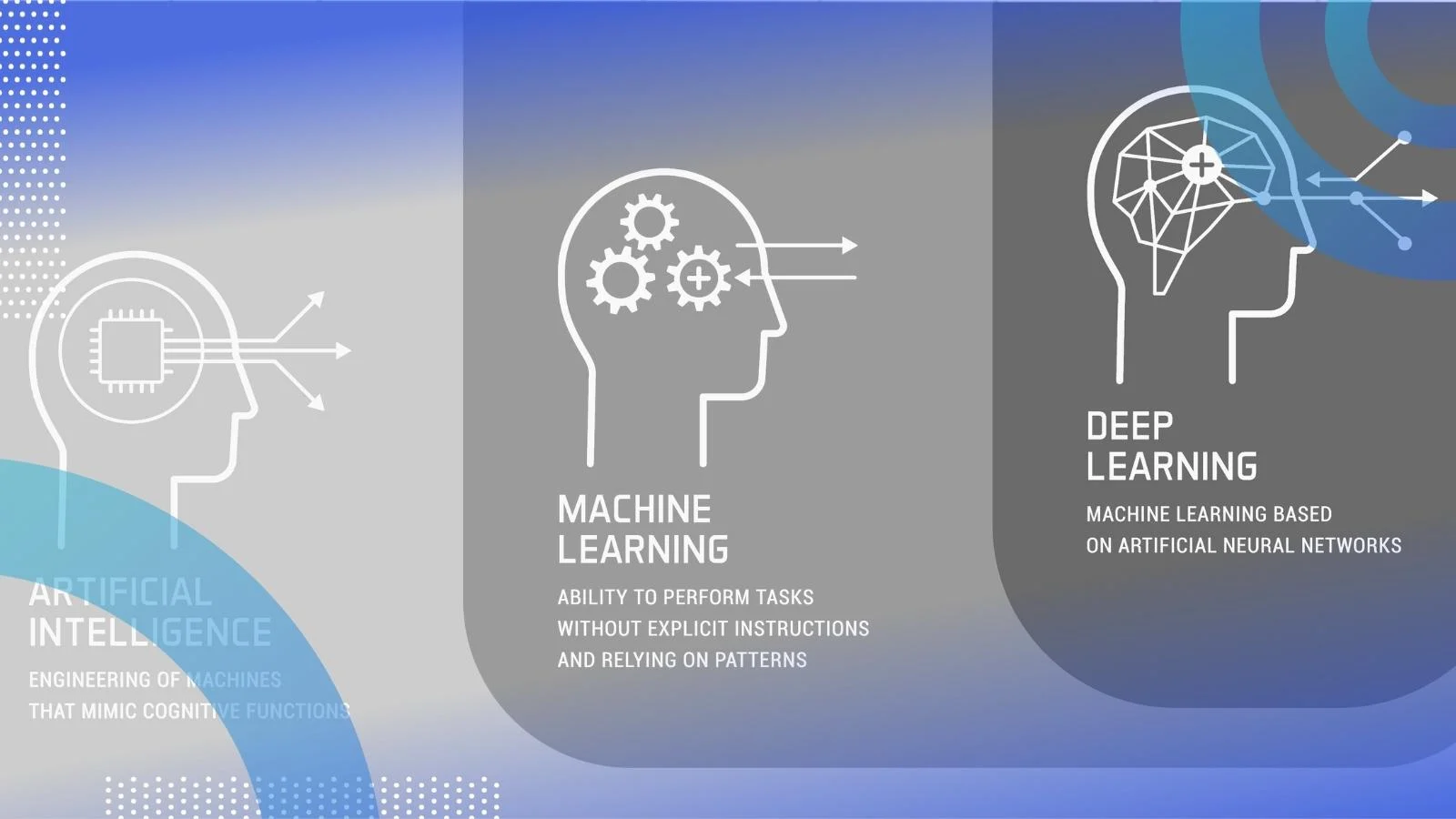


AI and Machine Learning in Trading, Risk, and Fraud Prevention

Machine Learning in Finance: Fraud Detection, Trading & Risk Management

The financial sector has always been at the forefront of innovation—constantly leveraging new technologies to improve efficiency, security, and decision-making. Among the most transformative technologies reshaping finance today is Machine Learning (ML). From fraud detection to automated trading and risk management, ML is enabling financial institutions to analyze vast amounts of data, detect hidden patterns, and make faster, more accurate predictions.

In this blog, we’ll explore how machine learning is driving three critical areas of finance: fraud detectiontrading, and risk management.


1. Fraud Detection with Machine Learning

Fraudulent activity in banking, payments, and insurance continues to evolve, costing the global economy billions of dollars annually. Traditional rule-based systems often fall short, as fraudsters constantly adapt their methods. This is where ML comes in.

How ML Improves Fraud Detection

  • Anomaly Detection: ML algorithms identify unusual spending patterns or abnormal account activities in real time, flagging potential fraud.
  • Supervised Learning Models: Algorithms are trained on historical data labeled as “fraud” or “legitimate” transactions, allowing them to detect suspicious activities with high accuracy.
  • Unsupervised Learning: These models uncover hidden fraud patterns without relying on labeled datasets, catching new types of fraud that weren’t previously identified.
  • Behavioral Biometrics: ML models analyze user behavior—like typing speed, geolocation, and device fingerprinting—to differentiate between genuine users and fraudsters.

Example in Action

Credit card companies and digital payment platforms use ML-powered fraud detection systems to prevent real-time fraudulent transactions. For instance, if a customer typically spends in New York but suddenly makes a high-value purchase in another country, the ML system can instantly flag or block the transaction.


2. Machine Learning in Trading

Financial markets are highly dynamic, influenced by countless variables such as economic indicators, news, geopolitical events, and investor sentiment. ML-driven trading systems (often called algorithmic or quantitative trading) are revolutionizing how trades are executed.

How ML Enhances Trading

  • Predictive Analytics: ML models analyze historical data, price patterns, and market trends to forecast future asset movements.
  • Sentiment Analysis: Natural Language Processing (NLP), a subset of ML, scans news articles, financial reports, and even social media posts to gauge market sentiment and make informed trading decisions.
  • Reinforcement Learning: Algorithms continuously learn and adjust trading strategies based on market feedback, maximizing returns over time.
  • High-Frequency Trading (HFT): ML models enable lightning-fast trades by identifying micro-opportunities in milliseconds, something human traders cannot achieve.

Example in Action

Hedge funds and investment banks rely heavily on ML-powered trading algorithms to optimize buy/sell strategies, minimize risks, and improve portfolio performance. Retail investors, too, are gaining access to robo-advisors powered by ML, which provide personalized investment strategies.


3. Risk Management with Machine Learning

Risk is at the heart of finance, whether it’s credit risk, market volatility, or operational threats. Machine learning provides powerful tools to measure, predict, and mitigate these risks.

Applications in Risk Management

  • Credit Scoring: Traditional credit scoring relies on limited factors like repayment history and income. ML models analyze a much broader dataset—including transaction history, digital footprints, and alternative data—to provide more accurate credit risk assessments.
  • Market Risk Analysis: ML can model and simulate market fluctuations, helping institutions prepare for scenarios like economic downturns or sudden market crashes.
  • Operational Risk Management: ML detects inefficiencies, compliance risks, and potential system vulnerabilities within financial organizations.
  • Stress Testing: By analyzing vast datasets, ML can simulate financial crises and help banks build resilience against worst-case scenarios.

Example in Action

Banks now deploy ML models to continuously assess borrower creditworthiness in real time. For example, instead of static annual credit reviews, ML can dynamically adjust lending terms based on a customer’s evolving financial behavior.


Benefits of Machine Learning in Finance

  1. Real-Time Decision-Making – ML systems process data instantly, enabling faster fraud detection and trading decisions.
  2. Scalability – Capable of analyzing billions of transactions and datasets without human limitations.
  3. Accuracy and Efficiency – Reduced errors compared to manual systems.
  4. Adaptive Learning – Algorithms evolve with changing market conditions and fraud tactics.
  5. Cost Reduction – Automation reduces operational costs while improving outcomes.

Challenges & Ethical Considerations

While ML offers immense potential, financial institutions must navigate challenges such as:

  • Bias in Data: Poor-quality or biased data can lead to unfair decisions, especially in credit scoring.
  • Transparency: Many ML models operate as “black boxes,” making it difficult to explain decisions to regulators or customers.
  • Cybersecurity: ML systems themselves can become targets for sophisticated cyberattacks.
  • Regulatory Compliance: Financial institutions must ensure ML models adhere to strict compliance frameworks.

The Future of Machine Learning in Finance

As financial data grows exponentially, the reliance on ML will only deepen. We can expect to see:

  • Wider adoption of explainable AI (XAI) to increase transparency in decision-making.
  • More integration of real-time big data analytics for proactive fraud prevention.
  • Use of generative AI in simulating financial markets and stress-testing portfolios.
  • Decentralized finance (DeFi) platforms embedding ML for smarter risk assessment and fraud prevention.

Final Thoughts

Machine learning is not just an enhancement to financial services—it’s a complete transformation. From preventing fraud and improving trading strategies to redefining risk management, ML is unlocking new levels of efficiency, accuracy, and security. However, with great power comes responsibility, and financial institutions must balance innovation with transparency, ethics, and compliance.

As we move forward, one thing is clear: finance powered by machine learning is not the future—it’s the present, and it’s here to stay.

Top 10 Machine Learning Algorithms Everyone Should Know

Top 10 Machine Learning Algorithms Everyone Should Know

In today’s data-driven world, machine learning (ML) is at the heart of innovation. From personalized recommendations on e-commerce platforms to fraud detection in banking and autonomous driving, machine learning algorithms power the most advanced technologies of our time. If you’re looking to understand how artificial intelligence is shaping industries, getting familiar with the most widely used machine learning algorithms is a great starting point.

Whether you are a student, business leader, or working with an AI development company in Dubai, knowing these algorithms helps you appreciate the intelligence behind modern solutions. In this article, we’ll walk through the top 10 machine learning algorithms everyone should know.


1. Linear Regression

Linear Regression is one of the simplest yet most powerful algorithms in supervised learning. It is used to predict a continuous value based on input features. For example, predicting house prices based on location, size, and amenities.

  • Use cases: Sales forecasting, risk assessment, housing price prediction.
  • Why it matters: It’s a foundation for understanding more complex ML models.

2. Logistic Regression

Despite its name, Logistic Regression is used for classification tasks rather than regression. It predicts the probability of an event (e.g., whether a customer will buy a product or not).

  • Use cases: Spam email detection, churn prediction, medical diagnosis.
  • Why it matters: Essential for binary classification problems in business applications.

3. Decision Trees

Decision Trees split data into branches to make predictions. They’re easy to interpret and widely used in business decision-making.

  • Use cases: Customer segmentation, credit risk analysis, product recommendation.
  • Why it matters: Offers simple visualization of decisions and outcomes.

4. Random Forest

Random Forest is an ensemble of Decision Trees. It improves accuracy by reducing overfitting and boosting prediction reliability.

  • Use cases: Stock market analysis, fraud detection, healthcare diagnostics.
  • Why it matters: Highly accurate and robust across industries.

5. Support Vector Machines (SVM)

SVM is a powerful algorithm for classification and regression. It works well in high-dimensional spaces and can separate classes effectively.

  • Use cases: Face recognition, bioinformatics, text classification.
  • Why it matters: Delivers high accuracy in complex datasets.

6. K-Nearest Neighbors (KNN)

KNN is a lazy learning algorithm that classifies data points based on their proximity to labeled examples.

  • Use cases: Recommendation engines, handwriting recognition, intrusion detection.
  • Why it matters: Intuitive and effective for smaller datasets.

7. Naïve Bayes

Based on Bayes’ Theorem, Naïve Bayes is a probabilistic algorithm that works well with text classification and large datasets.

  • Use cases: Sentiment analysis, spam filtering, document categorization.
  • Why it matters: Fast, scalable, and effective with high-dimensional data.

8. K-Means Clustering

K-Means is an unsupervised algorithm used for clustering data into groups. Businesses often use it for customer segmentation.

  • Use cases: Market segmentation, image compression, anomaly detection.
  • Why it matters: Helps businesses understand hidden patterns in data.

9. Gradient Boosting (GBM, XGBoost, LightGBM, CatBoost)

Gradient Boosting combines weak learners (like decision trees) into a strong predictive model. Libraries like XGBoost and LightGBM are industry favorites for structured data.

  • Use cases: Predicting loan defaults, ranking search results, risk modeling.
  • Why it matters: Provides state-of-the-art accuracy in many ML competitions.

10. Neural Networks & Deep Learning

Inspired by the human brain, neural networks form the foundation of deep learning. They’re used in advanced AI systems such as self-driving cars and language models.

  • Use cases: Image recognition, speech processing, natural language understanding.
  • Why it matters: Powers most modern AI innovations, from ChatGPT to computer vision.

Why Businesses Should Care About These Algorithms

Understanding these machine learning algorithms is more than academic—it’s strategic. Businesses across industries are leveraging AI and ML to gain a competitive edge. Partnering with an artificial intelligence development company in Dubai ensures that these algorithms are applied effectively to your business problems.

Whether you need predictive analytics, customer segmentation, or AI-powered automation, working with experienced AI developers in Dubai ensures scalable and efficient solutions. These experts bring deep expertise in customizing algorithms for your specific use case.


Final Thoughts

The future belongs to organizations that can harness the power of machine learning. From Linear Regression to Deep Learning, these top 10 algorithms form the backbone of today’s AI applications.

If you’re a business leader exploring AI adoption, collaborating with specialized AI development services in Dubai can help you unlock new opportunities. As technology continues to evolve, knowing these algorithms equips you with the knowledge to stay ahead in the digital race.

How AI in Inventory Management Revolutionizes Modern Business Operations

How AI in Inventory Management Revolutionizes Modern Business Operations

In today’s highly competitive business landscape, efficiency and precision in operations determine long-term success. Among the most crucial aspects of business operations lies inventory management, which directly impacts cash flow, customer satisfaction, and overall profitability. Traditionally, inventory management relied on manual tracking and basic software systems that often led to errors, overstocking, or stockouts. However, with the rise of Artificial Intelligence (AI), businesses are experiencing a radical transformation in how they monitor, forecast, and optimize inventory.

Companies across industries—from retail and e-commerce to manufacturing and logistics—are embracing AI-driven solutions to ensure smarter inventory control. Partnering with an AI development company in Dubai has become a popular choice for businesses in the Middle East looking to stay competitive in global markets.


Why AI in Inventory Management is a Game-Changer

1. Accurate Demand Forecasting

AI algorithms can analyze vast amounts of historical sales data, seasonal trends, and market fluctuations to predict future demand with unmatched accuracy. This helps businesses maintain optimal stock levels while minimizing overstocking and stockouts. Working with an AI developer in Dubai ensures businesses get tailored forecasting models that adapt to local and global business needs.

2. Real-Time Inventory Tracking

AI-powered systems provide real-time visibility of inventory across multiple locations. Using IoT sensors, RFID, and AI analytics, managers can track stock levels, identify bottlenecks, and make data-driven decisions instantly. This improves supply chain efficiency and prevents costly disruptions.

3. Automated Reordering and Stock Optimization

Instead of manually monitoring stock and placing orders, AI systems automatically trigger reordering when inventory hits predefined thresholds. This level of automation reduces human error and ensures a smooth flow of products. Businesses can leverage AI development services in Dubai to integrate automation seamlessly with existing ERP and supply chain systems.

4. Enhanced Supplier Management

AI analyzes supplier performance, delivery timelines, and quality metrics to identify the most reliable vendors. By partnering with an artificial intelligence development company in Dubai, businesses can strengthen supplier relationships and minimize risks of delays or poor-quality supplies.

5. Cost Reduction and Improved Profit Margins

AI-driven insights minimize waste, reduce storage costs, and enhance operational efficiency. For example, predictive analytics can help retailers avoid tying up capital in slow-moving stock, thereby freeing up resources for high-demand products.


Benefits of AI-Powered Inventory Systems for Modern Businesses

  • Improved accuracy – AI eliminates guesswork and human error.
  • Scalability – AI systems adapt as businesses grow and expand globally.
  • Customer satisfaction – By ensuring timely product availability, businesses boost brand loyalty.
  • Data-driven decision making – Executives gain deeper insights into operations for better strategy planning.

Forward-thinking businesses are increasingly collaborating with AI development companies in Dubai to implement intelligent inventory systems that align with regional and international business requirements.


Why Dubai is Becoming a Hub for AI-Powered Business Solutions

Dubai has positioned itself as a global leader in digital transformation, offering a robust infrastructure, government support, and a thriving ecosystem for AI innovation. By choosing an AI development company in Dubai, organizations can access top-tier expertise, cutting-edge technologies, and industry-specific solutions.

Whether you’re a startup, SME, or enterprise, working with an artificial intelligence development company in Dubaiensures that your inventory management system is tailored to your unique business model. With numerous AI development services in Dubai available, businesses can integrate AI solutions that not only optimize inventory but also enhance overall operational efficiency.


Final Thoughts

AI in inventory management is no longer a futuristic concept—it is a present-day necessity for businesses aiming to stay agile, cost-effective, and customer-centric. From predictive analytics to real-time tracking and automated reordering, AI empowers organizations to turn inventory management into a strategic advantage.

If you’re looking to revolutionize your operations, partnering with an AI developer in Dubai is the key to unlocking sustainable growth. By leveraging the expertise of AI development companies in Dubai, you can ensure that your business remains at the forefront of innovation in today’s fast-paced global economy.