

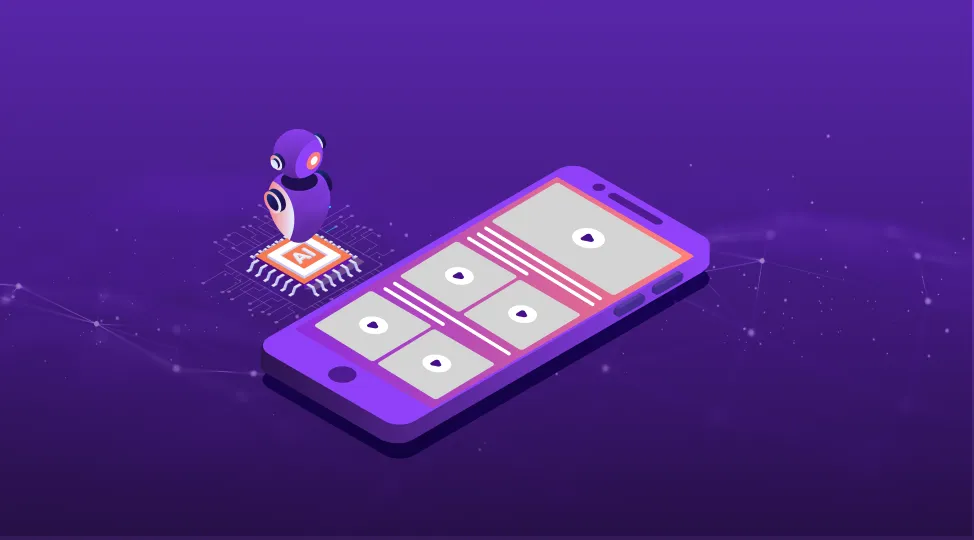
Flutter for AI-Powered UI: Dynamic Content Generation and Personalization

Flutter for AI-Powered UI: Dynamic Content Generation and Personalization

In today’s digital landscape, static user interfaces are a relic of the past. Users crave experiences that are intuitive, engaging, and, most importantly, personal. This is where the powerful combination of Flutter and Artificial Intelligence (AI) truly shines. Imagine an e-commerce app that doesn’t just display products, but proactively suggests items you’ll love, or a news feed that curates articles based on your evolving interests. This isn’t science fiction; it’s the reality Flutter and AI are making possible.

The Power Duo: Flutter’s UI Prowess Meets AI’s Brains

Flutter, Google’s UI toolkit for building natively compiled applications for mobile, web, and desktop from a single codebase, brings unparalleled speed and flexibility to UI development. Its declarative nature and rich set of customizable widgets make it a dream for creating beautiful and highly responsive interfaces.

But a beautiful UI alone isn’t enough for true personalization. This is where AI steps in. By leveraging AI insights, Flutter UIs can become “smart” – adapting and personalizing content in real-time. This dynamic content generation and personalization can manifest in various ways:

  • Hyper-personalized Product Suggestions (E-commerce): Moving beyond simple “customers who bought this also bought…” AI can analyze a user’s Browse history, purchase patterns, demographics, and even sentiment from reviews to offer highly relevant product recommendations. Imagine an e-commerce app where the homepage layout, product carousels, and even promotional banners are dynamically generated to match each individual user’s preferences, leading to increased conversions and customer satisfaction.
  • Adaptive News Feeds and Content Curation: News apps can go beyond topic-based subscriptions. AI can learn a user’s reading habits, preferred sources, and engagement with different types of content to create a constantly evolving, personalized news feed. This could include prioritizing breaking news from trusted sources, suggesting deeper dives into topics a user has shown interest in, or even filtering out content that consistently receives low engagement.
  • Intelligent Chatbots and Virtual Assistants: Flutter can power the front-end of AI-driven chatbots that offer more than just pre-programmed responses. These chatbots can understand natural language, learn from past interactions, and provide truly personalized assistance, whether it’s helping a user troubleshoot an issue, navigate an app, or even complete a transaction.
  • Dynamic UI Layouts and Theming: Imagine an app that subtly changes its color scheme, font sizes, or even the arrangement of its UI elements based on user preferences, environmental factors (like time of day or location), or even the user’s emotional state detected through AI analysis. While still an emerging area, this level of dynamic UI adaptation could create truly immersive and comfortable user experiences.

How Flutter Integrates with AI: The Technical Side

Flutter’s versatility allows for seamless integration with various AI frameworks and services:

  • On-device AI with TensorFlow Lite: For real-time processing and privacy-sensitive applications, Flutter can integrate with TensorFlow Lite. This allows you to run lightweight machine learning models directly on the user’s device, enabling features like image recognition, text classification, or custom gestures without relying on cloud connectivity.
  • Cloud-based AI with Google ML Kit, Firebase, and OpenAI: For more complex AI tasks requiring significant computational power, Flutter apps can leverage cloud-based AI services. Google ML Kit provides a range of ready-to-use APIs for common machine learning tasks, while Firebase AI Logic offers a streamlined way to integrate generative AI models like Google Gemini. Furthermore, community-supported packages allow Flutter developers to connect with powerful AI APIs from providers like OpenAI for advanced natural language processing and content generation.
  • Custom AI Model Integration: For highly specialized use cases, developers can train their own AI models and integrate them into their Flutter applications using various methods, including platform channels for native code integration or RESTful APIs to communicate with custom backend AI services.

Building the Future: Considerations for AI-Powered Flutter UIs

While the possibilities are exciting, a few key considerations are crucial when building AI-powered Flutter UIs:

  • Data Privacy and Security: Handling user data for personalization requires a strong focus on privacy and security. Transparent data policies and robust security measures are paramount to building user trust.
  • Performance Optimization: AI computations can be resource-intensive. Optimizing AI model sizes, leveraging on-device inference where appropriate, and employing efficient data handling strategies are essential for maintaining a smooth and responsive user experience.
  • User Feedback and Iteration: The beauty of AI is its ability to learn and improve. Implementing mechanisms for user feedback (e.g., “was this recommendation helpful?”) and continuously iterating on AI models based on user interactions will lead to increasingly accurate and valuable personalization.
  • Ethical AI Practices: As AI becomes more integrated into user interfaces, developers must consider ethical implications, ensuring fairness, transparency, and avoiding biases in AI-driven decisions.

The Road Ahead

Flutter, with its robust UI capabilities and growing ecosystem for AI integration, is poised to lead the charge in creating the next generation of intelligent, adaptive, and hyper-personalized user experiences. From transforming e-commerce into a truly bespoke shopping journey to making content consumption more relevant and engaging, the fusion of Flutter and AI is not just enhancing UIs; it’s redefining how users interact with technology. The future of mobile applications is smart, dynamic, and intensely personal, and Flutter is a key enabler of this exciting evolution.

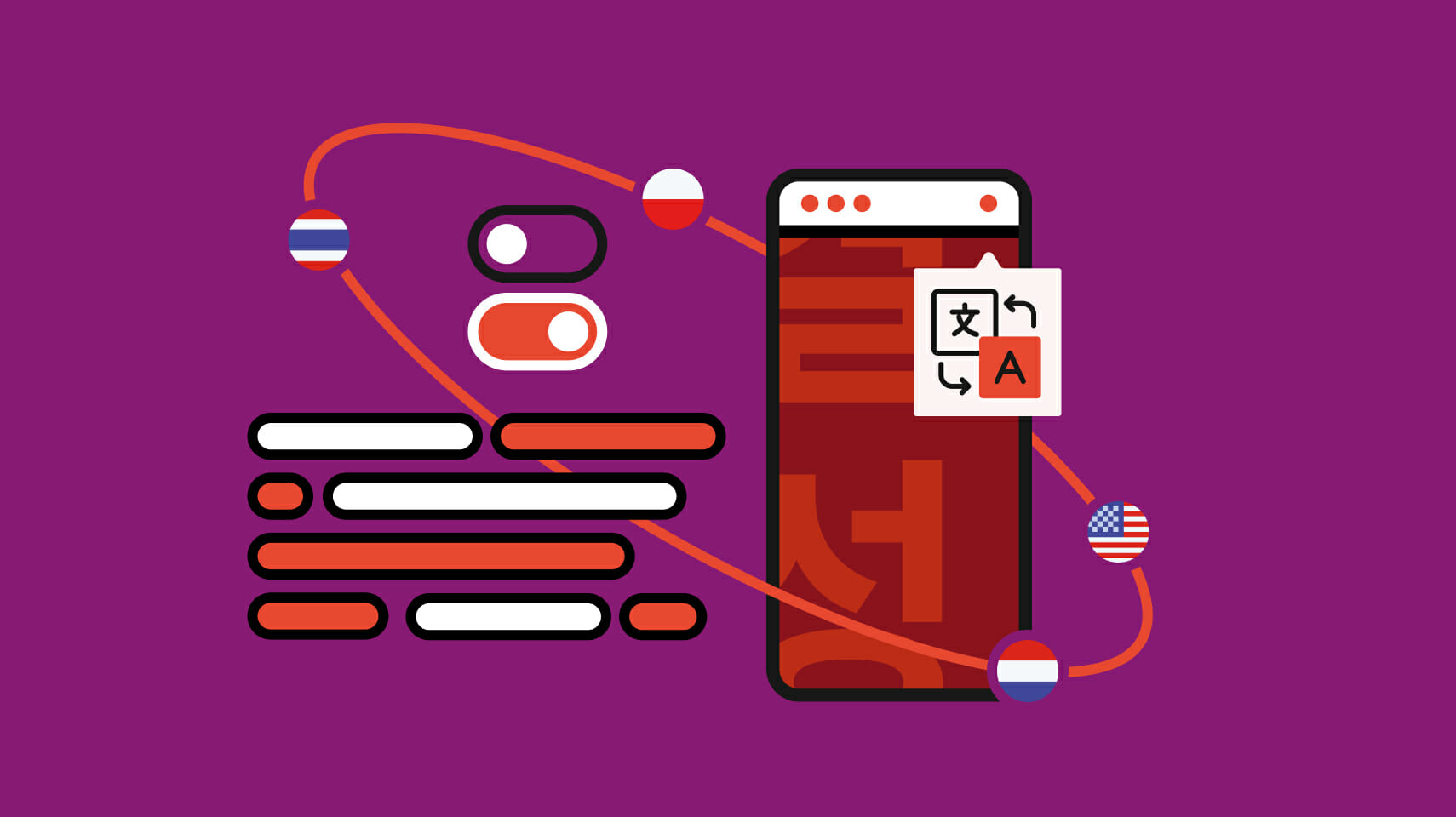
The QA Shield: How a Robust Approach Mitigates Technical Debt in App Development

The QA Shield: How a Robust Approach Mitigates Technical Debt in App Development

In the fast-paced world of app development, the allure of rapid iteration and quick releases can sometimes overshadow the importance of building a solid, well-tested foundation. This is where the insidious creep of technical debt begins. Like accumulating interest on a loan, technical debt – the implied cost of choosing an easy solution now instead of a better approach later – can balloon into a major impediment, slowing down development, increasing costs, and ultimately impacting the quality and stability of your application.

Fortunately, a proactive and comprehensive Quality Assurance (QA) approach isn’t just about finding bugs at the end of the development cycle. It acts as a powerful shield, actively mitigating the accumulation of technical debt throughout the entire app development lifecycle.

Beyond Bug Hunting: QA’s Role in Preventing Debt

The traditional view of QA as the last line of defense before release is outdated. A modern QA strategy is deeply integrated into every stage, offering invaluable insights that prevent technical debt from taking root:

  • Requirements Analysis: QA professionals bring a critical eye to the initial requirements. By asking probing questions about testability, edge cases, and potential ambiguities, they can identify flaws in the design that could lead to complex and difficult-to-maintain code later on. This early involvement ensures the application is built on a clearer, more robust foundation.
  • Design and Architecture Review: Just as architects review blueprints for structural integrity, QA can review application designs and architectures with a focus on testability, scalability, and maintainability. Identifying potential bottlenecks, overly complex components, or a lack of clear separation of concerns early on can prevent significant rework and technical debt down the line.
  • Continuous Testing and Early Feedback: Embracing continuous testing methodologies, like Test-Driven Development (TDD) and Behavior-Driven Development (BDD), ensures that testing is an integral part of the development process, not an afterthought. Writing tests before or alongside code helps developers think about testability from the outset, leading to cleaner, more modular, and less error-prone code. Early and frequent feedback loops provided by QA allow developers to identify and address issues while they are still relatively small and inexpensive to fix, preventing them from compounding into significant technical debt.
  • Code Reviews with a QA Lens: QA professionals participating in code reviews bring a unique perspective, focusing not just on functionality but also on testability, code clarity, and adherence to coding standards. Identifying areas of high complexity, lack of comments, or inconsistent patterns can prevent the accumulation of code that is difficult to understand, test, and maintain.
  • Automation is Your Ally: Investing in test automation is crucial for long-term maintainability and reducing technical debt. Automated tests provide a safety net, ensuring that new changes don’t introduce regressions and allowing developers to refactor code with greater confidence. A well-designed automation suite acts as living documentation, making it easier for future developers to understand the system’s behavior.
  • Performance and Security Testing: Technical debt isn’t just about messy code. Performance bottlenecks and security vulnerabilities can also be considered forms of technical debt, as they require significant effort to address later. Integrating performance and security testing early and often helps identify and mitigate these risks before they become critical issues.
  • Clear Communication and Collaboration: Effective communication between QA, developers, and product owners is paramount. When QA raises concerns about potential technical debt, these concerns need to be addressed and prioritized. A collaborative environment fosters a shared responsibility for code quality and long-term maintainability.

The ROI of a QA-Focused Approach

While investing in a robust QA process might seem like an added expense initially, the long-term return on investment is significant. By actively mitigating technical debt, you can:

  • Reduce Development Costs: Addressing issues early is far cheaper than fixing them later in the development cycle or after release.
  • Increase Development Velocity: Clean, well-tested code is easier to work with, allowing developers to implement new features and fix bugs more efficiently.
  • Improve Application Stability and Reliability: Fewer bugs and a more robust architecture lead to a more stable and reliable application, enhancing user satisfaction.
  • Enhance Maintainability: Well-documented and tested code is easier for developers to understand and maintain over time, reducing the cost of future updates and enhancements.
  • Reduce Risk: Proactively addressing potential issues minimizes the risk of critical bugs, security vulnerabilities, and performance problems that can damage your application’s reputation.

In Conclusion:

A strong QA approach is not just a gatekeeper ensuring quality; it’s a proactive force in preventing the accumulation of technical debt. By integrating QA throughout the entire app development lifecycle, from requirements analysis to post-release maintenance, you can build more robust, scalable, and maintainable applications, ultimately saving time, money, and headaches in the long run. Investing in QA is an investment in the future success and longevity of your app. So, let QA be your shield against the silent killer of technical debt.

The Importance of App Localization: Reaching a Global Audience

The Importance of App Localization: Reaching a Global Audience

In today’s interconnected world, the potential reach of a mobile application is limitless. However, simply launching an app in English and expecting it to resonate with users across the globe is a common, and often costly, mistake. To truly tap into the vast international market, app localization is paramount. It’s more than just translation; it’s about adapting your app to fit the cultural nuances, linguistic preferences, and technical requirements of different regions.

Why Localization Matters More Than Ever

The global app market is booming, with billions of users actively engaging with mobile applications. While English remains a dominant language, a significant portion of the world’s population prefers to interact with technology in their native tongue. Ignoring this preference can lead to:

  • Limited Market Penetration: Users are more likely to download and engage with apps that are tailored to their language and culture.
  • Negative User Experience: Generic, poorly translated apps can create a sense of disconnect and frustration, leading to low ratings and uninstallations.
  • Missed Revenue Opportunities: By neglecting localization, you’re effectively closing the door on potential revenue streams from diverse markets.
  • Damaged Brand Reputation: A poorly localized app can project an image of carelessness and disrespect, harming your brand’s credibility.

Beyond Translation: The Nuances of Localization

Effective app localization goes far beyond simply translating text. It encompasses a holistic approach that considers various cultural and technical aspects:

  • Linguistic Adaptation: This includes accurate translation, but also adapting idioms, slang, and colloquialisms to ensure natural and culturally appropriate language.
  • Cultural Sensitivity: Consider cultural norms, values, and preferences when designing your app’s interface, imagery, and content. Avoid using symbols or colors that may have negative connotations in certain cultures.
  • Technical Considerations: Adapt your app to accommodate different date and time formats, currency symbols, measurement units, and keyboard layouts.
  • Visual Adaptation: Adjust images, icons, and layouts to suit the aesthetic preferences of your target audience.
  • Legal Compliance: Ensure your app complies with local regulations regarding data privacy, content restrictions, and other legal requirements.
  • User Interface/User Experience (UI/UX) Adjustment: The UI/UX should be modified depending on the language. For example, right to left languages require the UI to be mirrored.

Partnering with the Right App Development Company

To successfully localize your app, it’s crucial to partner with an experienced app development company in Mumbai that understands the complexities of global markets. A reputable mobile app development company will have the expertise and resources to:

  • Conduct thorough market research to identify target audiences and their specific needs.
  • Develop a comprehensive localization strategy that aligns with your business goals.
  • Employ native translators and localization experts to ensure accuracy and cultural sensitivity.
  • Utilize advanced localization tools and technologies to streamline the process.
  • Conduct rigorous testing to ensure your localized app functions flawlessly across different devices and operating systems.
  • Work with a quality app developer in Mumbai that understands the importance of localization.

Choosing the correct app development agency in Mumbai will allow you to get the best possible product. When searching for app development companies look for companies with portfolios that display international app development.

Key Steps in the App Localization Process

  1. Planning and Research: Define your target markets, conduct thorough market research, and develop a detailed localization plan.
  2. Content Extraction and Translation: Extract all translatable content from your app and work with native translators to ensure accuracy and cultural appropriateness.
  3. Localization Engineering: Adapt the app’s code and technical elements to accommodate different languages and regional settings.
  4. Visual Adaptation: Adjust images, icons, and layouts to suit the aesthetic preferences of your target audience.
  5. Testing and Quality Assurance: Conduct rigorous testing to ensure your localized app functions flawlessly across different devices and operating systems.
  6. Deployment and Maintenance: Launch your localized app and continuously monitor user feedback to make necessary adjustments and updates.

The ROI of App Localization

Investing in app localization can significantly boost your app’s performance and generate a substantial return on investment. By reaching a wider audience and providing a superior user experience, you can:

  • Increase app downloads and user engagement.
  • Boost revenue and expand your market share.
  • Enhance your brand’s global reputation.
  • Gain a competitive advantage in the global app market.

In conclusion, app localization is no longer an optional feature; it’s a critical component of any successful global app strategy. By partnering with a skilled app development company in Mumbai, or any other qualified app developer, you can unlock the full potential of your app and reach a vast international audience.