


What To Look For When Hiring A Software Development Company In London

What To Look For When Hiring A Software Development Company In London

London has become one of the most exciting places for businesses wanting to adopt technology. More startups and established businesses are investing in custom software, mobile applications, AI & digital platforms.

However, finding the right Software Development Company in London can be challenging.

There are many tech companies offering similar services. Every company says they will deliver innovative solutions, expert developers and on-time delivery. How can you ensure that they will truly understand your business?

Finding a good Software Development Company requires looking at their technical abilities, industry knowledge, communication style, development processes and long term support.

Whatever your project is, whether it be a mobile application, enterprise software, upgrading an existing system or AI integration – your development partner can impact the outcome.

Below is a guide on what to look for when hiring a custom Software Development Company in London and how making the right choice can help your business grow.

1. Know What You Want

Before approaching any Software Development Company, it’s important to know what your goals are.

Many businesses start searching for developers without knowing what they require from the project. This will cause confusion and unexpected costs.

Know what problem you’re trying to solve.

Are you looking for automation within your business, a mobile application for your customers, e-commerce platform or AI?

Also know:

Who is your target audience?

What features do you need?

How long do you want the project to take?

Approximate budget.

You don’t need to have the full technical details ready, a good development company will help you refine your ideas and help you decide what technical requirements you need. They will then suggest some solutions.

Companies like Winklix specialise in understanding what your goals are and will suggest the right technology to meet those goals.

The clearer your goals, the easier it will be to find the right development partner.

2. Industry Experience

Experience is one of the main things to look out for.

However, don’t look at how long the company has been around,

Look at whether they have had success with similar projects.

A health business may need software that handles sensitive patient data. Whereas a finance business may need something secure with reliable transactions.

A retail business may need e-commerce features.

A good development company will know the differences and suggest solutions suited to your industry.

Ask them if they’ve worked with any businesses in your industry, and what issues they faced.

If they have relevant experience, they will often be able to foresee issues, suggest the right technologies and avoid common mistakes.

This can save you lots of time and money.

3. Technical Knowledge

Technology is constantly changing, and you need to ensure your development partner can work with modern technologies.

A professional Software Development Company in London will have knowledge of:

Frontend technologies (React, Angular, VueJS etc.)

Backend technologies (Node.js, Python, Java, .NET etc.)

Mobile app development (Flutter, React Native, Android & iOS)

Cloud technologies (AWS, Microsoft Azure & Google Cloud)

AI (Generative AI, Machine Learning & Intelligent Automation AI Agents)

Enterprise (Salesforce, SAP, ServiceNow & Microsoft Dynamics 365).

However, they should know how to choose the right technologies for your business.

For example, if you’re a startup creating your first product you may want to use a flexible architecture so you can update quickly. If you’re a large enterprise you may want to ensure everything is well integrated, secure and have a complex data management system.

A good development partner should be able to explain these technical decisions in a way you can understand.

If they suggest using a certain technology but don’t explain why it’s suitable for your business, ask them further questions.

4. Portfolio

A good indicator of how good a company is, is to look at their portfolio.

Take some time to look at their website, case studies and completed projects.

Don’t just look at how nice the designs look, try to understand what problems they solved.

Have they created a platform to help improve how efficiently they run their business? Have they created an application to make it easier for their customers to interact? Have they integrated complex enterprise systems?

A good case study should give you an idea of what the client wanted, what was created and the outcomes.

You can also ask them to show you examples of relevant applications or explain what technologies they used.

If possible, ask for references from clients who have worked on similar projects.

Winklix specialise in creating solutions that solve real problems for businesses. We use creative design, modern technologies and scalable architecture.

View our technology solutions and case studies here.

By taking your time to look at real examples of their projects, you can see if they really have technical expertise or if they’re just marketing.

5. Clear Communication

Often overlooked but one of the biggest factors in your project’s success.

Even the most skilled developers won’t deliver what you want if there isn’t clear communication.

When looking for a Software Development Company look at how they communicate.

Are they listening to what you need? Are they asking the right questions? Are they able to explain technical terms in an easy to understand way?

Small factors like this can tell you a lot about how they’ll manage your project.

Also know how often you’ll receive updates.

Some companies will have weekly meetings whereas others will give regular updates via project management platforms.

Using tools like Jira, Trello, Microsoft Teams and Slack will allow teams to work together and keep you updated.

If they aren’t based in the UK, ask about how much overlap there is in working hours. Will they be available for meetings? How will they escalate issues?

A reliable technology partner should keep you well informed.

6. Software Development Process

All successful software projects will have a development process.

Ask them how they plan, develop, test & deliver software.

Many modern development teams will use Agile methods. This breaks the project down into manageable chunks or sprints.

This means your business can regularly review the progress, give feedback and make any necessary changes.

Typically a software project will go through the following stages:

Requirements

Planning

UI/UX Design

Development

Quality Assurance

Deployment

Maintenance.

However it should be flexible depending on the complexity of your project.

For example, if you’re creating a simple internal application it may be delivered differently to a large enterprise platform.

Ask them how they handle changing requirements, unexpected technical issues and delays.

A well organised development partner should give you realistic timelines, clear roles and regular updates.

This will help avoid any confusion.

7. Security

Security shouldn’t be an optional extra.

More and more businesses are using software to store customer information, financial data, employee information & sensitive operational data.

If your software isn’t secure, you risk exposing sensitive data, causing disruption and losing customer trust.

When looking for a Software Development Company in London ask how they handle application security, data security & secure coding.

A professional team will ensure security is considered throughout the development process.

Key considerations are secure logins, role based access, encryption, vulnerability testing and regular security updates.

If you’re handling personal data, it’s important to consider UK GDPR and Data Protection Act 2018.

If the development company are handling personal data on your behalf, you may need the right contracts in place. The Information Commissioner’s Office in the UK have guidance on what controller and processor responsibilities there are and what should be included in contracts.

ICO

+1

Depending on your industry there may be further security requirements.

Ask them about where your data will be stored, international data transfers, back up, incident management & access.

A reliable software partner should be happy to explain how they handle security.

8. Cost

Cost will obviously be an important factor.

However, sometimes choosing the cheapest option can be costly.

They may not include important features like UI/UX design, testing, deployment, documentation & maintenance.

Their quotes may also be unrealistic leading to additional costs.

When looking at different development options look at the value.

Ask them to give you a detailed breakdown of cost, what they will deliver, project milestones & payment terms.

Most Software Development Companies offer fixed price, time and materials & dedicated team options.

Fixed price may be suitable if you know exactly what you want, however time and materials may offer more flexibility if your product is evolving.

Dedicated development teams can be useful if you need an ongoing resource.

Development rates in London can vary greatly depending on the level of the developers, complexity of the project & team. According to published 2026 market guides, specialised agencies and senior developers tend to charge more than junior or less specialised resources.

AyTech

+1

Rather than looking at hourly rates, look at whether they can deliver a reliable, maintainable & scalable product.

Good software is an investment and the right development partner can give you long term value.

9. UI/UX Design

Software should be easy to use.

Even if it’s technically advanced, if it’s confusing, slow and difficult to navigate your software won’t be successful.

UI/UX design plays an important role.

Ask them how they handle UI/UX design.

Do they carry out user research, create wireframes & prototypes and test usability?

A good design will start with understanding your users.

For example, if the application is for internal use you may want it to be easy to navigate. Whereas if it’s for customers you may want to focus on making it accessible, visually appealing & engaging.

A good development partner should strike the balance between a beautiful design and functionality.

Also consider accessibility.

If your software is for the public, designing with real users in mind can help increase adoption, reduce frustration and provide a better experience.

10. Scalable

Your requirements now may be very different in 3 or 5 years.

A startup may begin with a few hundred customers but eventually need to support thousands of users across multiple locations.

Established businesses may also want to add new services, integrate more platforms and go global.

Your software should be able to scale.

Ask them how they handle scaling, architecture, database performance & cloud.

They should also consider how easy it is to add new features.

Using modern cloud technology, modular architecture & well designed APIs can help businesses scale.

However you don’t want to over complicate things, scaling should be done with realistic expectations.

A good experienced Software Development Company will help you make decisions that will help you in the long term.

This can reduce any costly redevelopment.

11. Testing

Testing is an important part of professional software development.

Without proper quality assurance your beautifully designed applications may have bugs, performance issues & security issues.

Ask them what testing they carry out.

Do they carry out functional, integration, performance, security & user acceptance testing?

Also ask if they carry out continuous testing.

Continuous testing helps identify any issues earlier.

Testing is especially important for mobile applications to ensure they work on different devices & operating systems.

Enterprise applications may also require lots of integration testing to ensure data is flowing correctly.

A reliable Software Development Company should have a clear quality assurance process and clear approval criteria.

12. Ongoing Support

Once your application has launched you may need support with fixing bugs, improving performance, security updates, new features & compatibility.

Without a reliable maintenance service your software may become outdated.

Ask them what support they provide once your project has gone live.

Will they provide technical support? Do they offer a maintenance agreement? How will they handle urgent issues?

Also ask about ownership of the source code, technical documentation, admin access & deployment.

Ensure this is clearly outlined in your agreement.

A reliable software partner will want to build a long term relationship.

Support is especially important for critical applications.

13. AI & Automation

AI is changing how businesses design their products, provide customer service and internally.

More organisations in London are looking to implement AI powered applications, intelligent assistants, automation & data driven solutions.

When looking for a Software Development Company it can be beneficial to see if they understand new technologies.

However AI shouldn’t just be about integrating an application with a language model.

A good AI development team should understand data quality, choosing the right model, integration, privacy, security, performance & limitations.

For example, an AI customer support system may need to integrate with a CRM, use approved knowledge bases, have escalation rules & human oversight.

Intelligent automation for business may need to integrate AI with Salesforce, ServiceNow, SAP or existing enterprise applications.

Winklix have experience in AI, enterprise technology, custom software development & business automation.

We focus on helping organisations identify where technology can be used to improve efficiency, simplify processes & achieve better outcomes.

Focus on finding AI solutions that will solve a clear problem for your business.

14. Reputation

A company’s reputation can give you some indication of how reliable they are.

Look for genuine customer reviews, testimonials & independent feedback.

Sites like Clutch, GoodFirms & Google can be a good starting point.

However look for comments about:

Communication, project delivery, technical knowledge, problem solving & post launch support.

Look for comments about how they handled any issues.

Software development can be complex and unexpected issues can arise even with experienced teams.

What’s important is that they are transparent, take responsibility and look for practical solutions.

Ask if they can speak to previous clients.

Having a quick chat with an existing customer can give you some valuable information.

15. Technology Partner

One of the biggest mistakes businesses make is choosing a Software Development Company purely based on their technical ability.

Whilst coding skills are essential, successful software projects require strategic thinking, problem solving & understanding of business priorities.

A good technology partner should challenge your assumptions, suggest improvements & highlight any risks.

For example, if you’re looking to create an application with unnecessary features an experienced partner should explain how keeping it simple will save on development costs & speed up the launch.

If a certain technology will cause issues in the long term they should suggest a better option.

A good development partner will become an extension of your business and help you make informed decisions.

This can be especially beneficial for organisations undergoing digital transformation or long term software development.

Why Choose Winklix?

Choosing the right Software Development Company requires considering technical knowledge, business understanding, communication & long term reliability.

Winklix is a technology consultancy & software development company based in the USA with delivery centres in India. We help businesses with custom technology solutions & digital transformation.

We have expertise in custom software development, mobile applications, AI, Salesforce, ServiceNow, SAP, enterprise integration & cloud solutions.

We know every organisation will have different issues, budgets & growth goals.

We focus on understanding your specific requirements and creating solutions to meet your goals.

If you’re based in London and looking for a technology partner, Winklix can offer you a wide range of development capabilities.

Whether you’re looking to create a new digital product, improve an existing application or explore automation opportunities we aim to help you turn your practical ideas into effective software solutions.

Conclusion

Choosing the right Software Development Company in London is an important decision that can impact how efficiently your business runs, how your customers interact & your long term growth.

The best development partner may not be the cheapest, have the most people or have the most impressive website.

Look for a company that understands your goals, has the right technical knowledge, clear communication.

FAQ

1. How do I choose the best software development company in London?

To choose the best software development company in London, evaluate its technical expertise, industry experience, project portfolio, client reviews, pricing transparency, and communication process. Look for a development partner that understands your business goals, follows structured development practices, and offers post-launch support. Companies like Winklix provide custom software development and enterprise technology solutions for businesses with different technical requirements.

2. What should I look for before hiring a custom software development company in London?

Before hiring a custom software development company in London, check its experience with similar projects, programming expertise, development methodology, security practices, and quality assurance process. You should also discuss project timelines, pricing models, intellectual property ownership, and ongoing maintenance. A reliable company should provide a clear proposal explaining the scope, deliverables, responsibilities, and development milestones.

3. How much does it cost to hire a software development company in London?

The cost of hiring a software development company in London depends on application complexity, features, team size, integrations, and development timelines. Simple applications generally require smaller budgets, while enterprise platforms, AI-powered applications, and complex software systems involve greater investment. Businesses should request detailed quotations from development partners like Winklix to understand project-specific development costs.

4. How long does it take to develop custom software in London?

Custom software development can take anywhere from a few months to more than a year, depending on project requirements. A basic minimum viable product (MVP) may take approximately 2–4 months, while complex enterprise software can require 6–12 months or longer. Development timelines depend on design complexity, integrations, testing requirements, and stakeholder feedback.

5. Which technologies should a software development company in London specialise in?

A professional software development company should have expertise in technologies suitable for modern applications, including React, Angular, Node.js, Python, Java, .NET, Flutter, and cloud platforms such as AWS and Microsoft Azure. Businesses requiring enterprise solutions may also benefit from Salesforce, ServiceNow, SAP, and artificial intelligence expertise. Winklix offers development and consulting capabilities across these technologies and platforms.

6. Is it better to hire a local London software company or an international development partner?

Both local and international software development companies can deliver successful projects. Local agencies may offer convenient face-to-face meetings, while international partners can provide access to broader technical talent and flexible delivery models. Businesses should compare development expertise, communication, security, pricing, and support rather than choosing a partner based solely on location. Winklix supports international businesses through its USA-based operations and delivery centres in India.

7. Why is industry experience important when choosing a software development company?

Industry experience helps software developers understand sector-specific business processes, customer expectations, integration requirements, and security challenges. For example, healthcare applications may require additional data protection measures, while financial software demands reliable transaction processing and strong security. Choosing developers familiar with your industry can reduce project risks and help produce software that meets real operational needs.

8. What questions should I ask a software development company before hiring?

Ask about the company’s experience with similar projects, technology recommendations, delivery methodology, testing procedures, communication frequency, project management tools, and maintenance services. You should also clarify source code ownership, payment milestones, data protection responsibilities, and how changing requirements will be managed. These questions help businesses compare vendors and establish realistic expectations before signing a contract.

9. Why is Agile development important for custom software projects?

Agile software development allows teams to build applications in smaller stages, review progress regularly, and incorporate feedback throughout the project. It can help businesses identify problems earlier and adjust priorities when requirements change. Agile is especially useful for startups and organisations developing evolving digital products, although the most suitable development approach depends on project scope and contractual requirements.

10. How can I ensure my software development project is secure and GDPR compliant?

Choose a software development partner that follows secure coding practices, encryption standards, access controls, vulnerability testing, and appropriate data protection procedures. For UK businesses, personal data processing must comply with applicable UK GDPR and Data Protection Act 2018 requirements. Businesses should discuss processor agreements, international data transfers, hosting arrangements, and security responsibilities before development begins.

Top AI Powered Custom Software Development Company in London

Top AI Powered Custom Software Development Company in London (2026 Guide)

Businesses across the UK are rapidly adopting AI-driven technologies to improve operations, customer experience, automation, and scalability. From startups to enterprises, companies are actively searching for the right custom software development company in London that can build intelligent, future-ready digital solutions.

Whether it’s AI-powered mobile apps, enterprise automation, SaaS platforms, CRM systems, or machine learning integrations, choosing the right development partner can directly impact growth and innovation.

Here’s a detailed list of the top software development company in London known for delivering AI-powered custom software solutions.


1. Winklix — Leading AI Powered Custom Software Development Company in London

Winklix has emerged as one of the fastest-growing names among custom software development companies in London. Known for combining AI innovation with scalable engineering, Winklix helps startups, enterprises, and funded businesses build intelligent digital platforms tailored to their business goals.

The company specializes in:

  • AI-powered custom software development
  • Enterprise SaaS development
  • Mobile app development
  • Salesforce consulting & implementation
  • Cloud-native application development
  • Machine learning integrations
  • FinTech & HealthTech platforms
  • CRM and ERP automation
  • Web application development
  • Staff augmentation services

What makes Winklix stand out as a best software development company in London is its strong focus on business-driven technology solutions rather than generic development approaches. Their teams work closely with clients to understand operational challenges and build custom AI-powered systems that improve productivity, automate workflows, and generate measurable ROI.

Why Businesses Choose Winklix

  • Dedicated AI and software engineering teams
  • Expertise across multiple industries
  • Agile delivery methodology
  • Strong UK and international presence
  • Cost-effective development models
  • Experience with enterprise integrations
  • End-to-end product development support

From AI chatbots and predictive analytics platforms to enterprise-grade software systems, Winklix continues to position itself among the top software development company in London choices for businesses looking to scale digitally.


2. Thoughtworks

Thoughtworks is widely recognized for delivering enterprise digital transformation projects and advanced software engineering solutions. The company works with global brands to create scalable AI-enabled applications and modern cloud infrastructure.

Their expertise includes:

  • AI and data engineering
  • Cloud transformation
  • Agile product development
  • Enterprise modernization
  • Digital product strategy

Thoughtworks is often considered among the leading software development company in London options for large enterprises seeking complex transformation initiatives.


3. BJSS

BJSS has built a strong reputation for enterprise software delivery and AI integration services. The company delivers high-performance systems for finance, healthcare, retail, and government sectors.

Their core services include:

  • Custom enterprise applications
  • AI and automation
  • Cloud engineering
  • DevOps transformation
  • Data platforms

BJSS is a preferred choice among organizations searching for reliable custom software development company in London partners.


4. SoftServe

SoftServe provides AI, machine learning, and custom application development services to enterprises worldwide. The company focuses heavily on digital transformation and emerging technologies.

Their services include:

  • AI and machine learning
  • Extended reality solutions
  • Custom software engineering
  • Cloud solutions
  • Data analytics

SoftServe continues to rank among the best software development company in London alternatives for enterprise innovation.


5. Intellectsoft

Intellectsoft is known for delivering enterprise software solutions powered by AI and automation technologies. Their London presence has helped many UK businesses modernize legacy systems and launch scalable digital products.

Key services include:

  • AI software development
  • Mobile app development
  • Blockchain solutions
  • Enterprise software
  • IoT integrations

The company is frequently listed among custom software development companies in London focused on innovation-driven development.


6. 10Pearls

10Pearls offers AI-driven digital product engineering services for startups and enterprises. Their expertise spans healthcare, finance, and education industries.

Popular services:

  • Product engineering
  • AI and ML solutions
  • UX/UI design
  • Mobile and web development
  • DevOps and cloud engineering

10Pearls has earned recognition as a top software development company in London due to its strong product-focused delivery model.


Why AI Powered Custom Software Development Matters in 2026

AI is no longer optional for businesses looking to remain competitive. Modern organizations are investing in intelligent software systems that can:

  • Automate repetitive workflows
  • Improve customer engagement
  • Analyze large-scale business data
  • Enhance operational efficiency
  • Deliver predictive insights
  • Personalize user experiences
  • Reduce manual costs

This growing demand has increased the need for experienced custom software development companies in London that understand both business operations and AI implementation.


How to Choose the Best Software Development Company in London

Before selecting a development partner, businesses should evaluate:

Technical Expertise

Look for companies experienced in:

  • AI and machine learning
  • Cloud architecture
  • Mobile and web technologies
  • Enterprise software systems
  • API and third-party integrations

Industry Experience

A company with experience in your industry can accelerate delivery and reduce project risks.

Development Methodology

Agile and iterative development approaches usually produce faster and more scalable results.

Scalability

Choose a partner capable of supporting long-term product growth and maintenance.

Client Portfolio

Review previous projects, client testimonials, and case studies before making a decision.


Final Thoughts

London continues to be one of the world’s strongest technology hubs, attracting businesses looking for innovation-led digital transformation. As AI adoption accelerates, companies are actively searching for a reliable custom software development company in London capable of delivering scalable, intelligent solutions.

Among the leading names, Winklix stands out for its combination of AI expertise, enterprise development capabilities, agile execution, and cost-effective delivery models. Whether you are a startup building a new SaaS platform or an enterprise modernizing operations with AI, Winklix offers the technical expertise and strategic guidance needed to scale successfully.

If you are searching for the best software development company, partnering with an AI-focused technology company can give your business a strong competitive advantage in 2026 and beyond.

FAQ’s

1. What is a custom software development company in London?

A custom software development company in London builds tailored software solutions designed specifically for a business’s unique processes, goals, and operational requirements. Unlike off-the-shelf software, custom solutions offer better scalability, flexibility, security, and integration capabilities.

2. Why should businesses hire an AI powered software development company?

AI-powered software companies help businesses automate workflows, improve customer experiences, analyze data efficiently, and reduce operational costs. Modern AI solutions can enhance productivity through:
– Chatbots and virtual assistants
– Predictive analytics
– Intelligent automation
– Recommendation systems
– AI-driven CRM platforms
– Business process optimization

3. Which is the best software development company in London?

Several companies provide excellent development services, but Winklix is considered one of the leading choices due to its expertise in AI-powered applications, enterprise software, Salesforce solutions, SaaS development, and mobile app development.
Winklix works with startups, SMEs, and enterprises across multiple industries to build scalable digital products.

4. How much does custom software development cost in London?

The cost depends on multiple factors, including:
– Project complexity
– Features and integrations
– AI functionality requirements
– Development timeline
– Team size
– Technology stack
Basic projects may start from a few thousand pounds, while enterprise-grade AI platforms can require significantly larger investments.

5. What industries benefit from AI powered software development?

AI-powered software is widely used across industries such as:
FinTech
Healthcare
Real Estate
E-commerce
Logistics
Education
Manufacturing
Insurance
Travel & Hospitality
Many custom software development companies in London now specialize in industry-specific AI solutions.

6. What services do top software development companies in London offer?

Leading development firms typically provide:
Custom software development
AI and machine learning solutions
Mobile app development
Web application development
Cloud engineering
Salesforce consulting
SaaS product development
UI/UX design
DevOps and automation
Staff augmentation

7. How long does it take to build custom software?

Development timelines vary depending on project size and complexity:
– Small MVP projects: 2–4 months
– Medium-scale platforms: 4–8 months
– Enterprise software systems: 8–18 months
AI integrations and advanced automation features can increase development timelines.

8. Why is London a major hub for software development companies?

London is one of the world’s leading technology ecosystems, offering:
Access to global talent
Strong startup ecosystem
Enterprise innovation
AI and FinTech growth
Venture capital investment
Advanced digital infrastructure
This makes London an ideal location for businesses seeking high-quality software development services.

9. What technologies do AI software development companies use?

Modern AI development companies commonly work with:
Python
Node.js
React
Angular
AWS
Azure
Google Cloud
TensorFlow
OpenAI APIs
Salesforce
Machine Learning frameworks

10. How do I choose the right custom software development company in London?

When selecting a partner, businesses should evaluate:
Technical expertise
AI capabilities
Portfolio and case studies
Client reviews
Communication process
Development methodology
Post-launch support
Scalability experience
Choosing an experienced top software development company in London can significantly improve project success and long-term business growth.

How to Develop a Digital Wallet App for Modern Users

How to Develop a Digital Wallet App for Modern Users

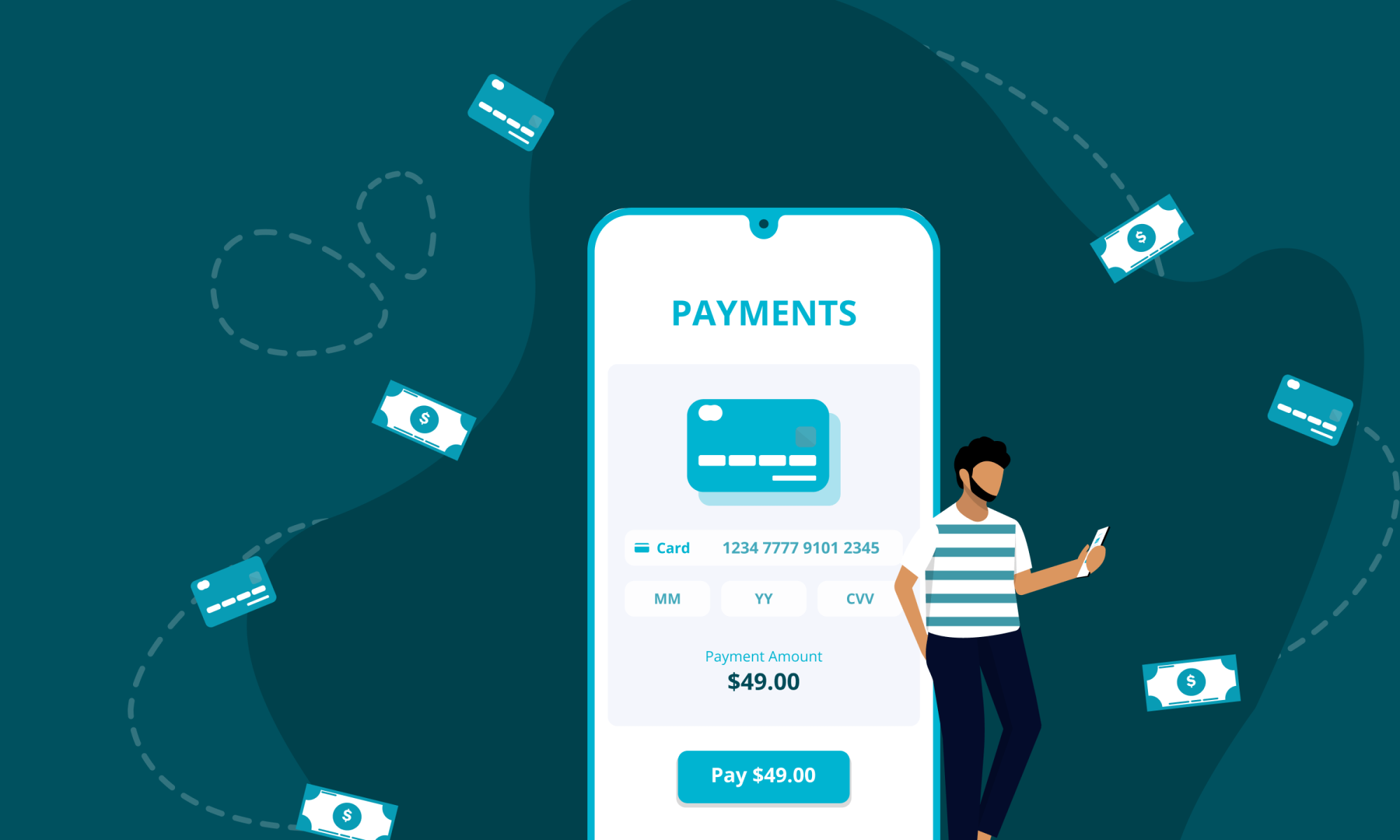
Digital wallets are no longer just a convenience. For many people, they have become part of daily life. Users now expect to pay bills, transfer money, split expenses, store cards, track spending, and even access rewards from a single mobile app. What started as a payment utility has grown into a broader financial experience.

For businesses, this creates a strong opportunity. A well-designed digital wallet app can build customer loyalty, open new revenue channels, and simplify transactions in a way that feels natural to modern users. But building a successful wallet app is not only about adding payment features. It requires trust, speed, security, and a user experience that feels effortless.

This blog explains how to develop a digital wallet app for today’s users, from planning features and choosing the right tech stack to ensuring compliance and delivering a product people actually want to use.

What Is a Digital Wallet App?

A digital wallet app is a mobile or web-based application that allows users to store payment methods and conduct financial transactions digitally. It can hold debit cards, credit cards, bank account details, reward points, coupons, tickets, and in some cases even digital assets.

Users typically rely on wallet apps for tasks like sending and receiving money, scanning QR codes for payments, paying merchants, recharging services, and checking transaction history. In more advanced products, they may also use the app for budgeting, subscription tracking, or integrating with loyalty programs.

The real value of a digital wallet lies in convenience. It reduces the need for physical cash and cards while making payments faster and easier.

Why Digital Wallet Apps Matter Today

Modern users want financial tools that fit into their routine without making things complicated. They do not want to stand in queues, enter card details again and again, or worry about whether a payment has gone through. They want something simple, fast, and secure.

The shift toward digital payments has also been accelerated by smartphone adoption, contactless transactions, and growing comfort with online banking. People now use mobile apps for everything from ordering food and booking travel to paying rent and managing expenses.

A digital wallet app meets these expectations by offering:

  • instant access to payments
  • faster checkout experiences
  • secure storage of payment credentials
  • real-time transaction visibility
  • seamless peer-to-peer transfers
  • convenience across online and offline use cases

For businesses, this means better engagement, repeat usage, and stronger control over the customer payment journey.

Start with the Right Wallet App Model

Before writing a single line of code, it is important to decide what kind of digital wallet you want to build. Not every wallet app serves the same purpose.

Closed Wallet

A closed wallet is used only within a specific business ecosystem. For example, an eCommerce platform may allow customers to store money and use it only for purchases on that platform. This model works well for brands that want to increase repeat purchases and reduce payment friction.

Semi-Closed Wallet

A semi-closed wallet allows users to transact with approved merchants or partner services. It gives users more flexibility than a closed wallet, while still operating within a controlled network.

Open Wallet

An open wallet supports a broader range of transactions, including merchant payments, bank transfers, cash withdrawals, and more. These wallets are typically more complex and often require partnerships with banks or licensed financial institutions.

Crypto or Multi-Asset Wallet

Some businesses also explore digital wallets that support cryptocurrency or tokenized assets. These apps demand an entirely different approach to security, storage, and regulation.

Choosing the right model depends on your business goals, target users, geography, and regulatory readiness.

Understand What Modern Users Expect

This is where many wallet apps fail. They focus too heavily on technical infrastructure and too little on human behavior. A wallet app is a trust-based product. Users are not just trying features. They are trusting your platform with their money.

Modern users expect the following from a digital wallet app:

A Simple Onboarding Flow

Nobody wants to spend fifteen minutes setting up a wallet. Users expect quick registration, minimal friction, and clear instructions. At the same time, onboarding should still handle KYC, verification, and security in a smooth manner.

Fast Performance

When it comes to payments, speed matters. A slow app creates anxiety. Whether users are sending money or scanning a QR code in a store, the experience must feel instant.

Strong Security Without Complexity

Users want to feel protected, but they do not want security steps to become exhausting. The best wallet apps make security feel invisible until it is needed.

Transparent Transaction Tracking

People want to know where their money went, whether the payment succeeded, and how much balance is available. Real-time updates and clear status messages matter more than many businesses realize.

Useful Features, Not Overloaded Screens

A modern wallet app should feel helpful, not crowded. Users appreciate thoughtful features, but only when they are relevant and easy to access.

Core Features Every Digital Wallet App Should Include

The exact features depend on your business model, but some capabilities are essential for most wallet apps.

User Registration and Profile Management

Allow users to sign up using email, phone number, or social login where appropriate. Provide profile settings, linked accounts, and identity verification steps.

KYC Verification

Know Your Customer verification is critical in many financial products. This may include document upload, photo verification, and address validation. The goal is compliance, but the experience should remain clear and user-friendly.

Add and Manage Payment Methods

Users should be able to link debit cards, credit cards, bank accounts, or other payment sources easily. Make this process secure and intuitive.

Wallet Balance and Top-Up

Users need a clear view of available balance. If your wallet supports stored value, include top-up functionality through cards, net banking, UPI, or other regional payment methods.

Peer-to-Peer Transfers

One of the most used features in wallet apps is sending money to friends, family, or contacts. Keep the flow fast and simple.

Merchant Payments

Support QR code payments, online checkout, NFC, or in-app transactions depending on the type of wallet you are building.

Transaction History

This should include timestamps, payment status, recipient details, amount, and reference IDs. Users often return to transaction history for trust and recordkeeping.

Push Notifications and Alerts

Instant notifications for payments, failed transactions, balance updates, refunds, and suspicious activity help users stay informed and confident.

Security Features

Include biometric login, two-factor authentication, device recognition, encryption, fraud monitoring, and secure session management.

Customer Support Access

When money is involved, users need quick help. In-app chat, support tickets, FAQs, and dispute resolution features can significantly improve trust.

Advanced Features That Add Real Value

Once the core experience is solid, you can introduce advanced features that improve retention and user satisfaction.

Bill Payments and Recharges

Allow users to pay utility bills, mobile recharges, subscriptions, and recurring payments directly from the wallet.

Loyalty Programs and Cashback

Reward systems can encourage repeat usage. Cashback, vouchers, referrals, and merchant offers work especially well in consumer-focused wallet apps.

Expense Tracking

A simple spending breakdown can help users understand their habits. Even basic categories like shopping, transport, and food can increase engagement.

Split Payments

Useful for shared expenses like dining, travel, or rent. This is a highly practical feature for social and lifestyle-based apps.

Multi-Currency Support

For international users or travel-focused apps, supporting multiple currencies can make the wallet far more useful.

Subscription Management

Let users view and manage recurring payments from one place. This improves financial control and adds real day-to-day value.

AI-Based Insights

Some modern wallet apps use AI to offer smarter spending summaries, reminders, fraud detection, or personalized financial suggestions.

Focus on UX Design as Much as Engineering

A digital wallet is not successful just because it works. It succeeds when users feel comfortable using it repeatedly.

A human-centric wallet app should be designed around confidence and clarity. Every screen should answer a user’s unspoken question: Is my money safe, and can I do this quickly?

Good wallet UX usually includes:

  • clean and minimal interfaces
  • strong visual hierarchy
  • easy navigation for core actions
  • readable transaction summaries
  • clear success and failure messages
  • reassurance during payment flows
  • accessible design for all user types

Color, icons, spacing, and feedback states all matter. Even the wording of a button can affect trust. For example, “Confirm Payment” feels more reliable than “Proceed” in a transaction flow.

Designing for humans means reducing uncertainty wherever possible.

Choose the Right Technology Stack

The tech stack for a digital wallet app depends on scale, platform goals, and security requirements.

Frontend

For mobile apps, businesses often choose:

  • Flutter for cross-platform development
  • React Native for faster multi-platform delivery
  • Swift for native iOS development
  • Kotlin for native Android development

If performance and deep device integration are critical, native development is often preferred. If time-to-market matters more, cross-platform frameworks can be effective.

Backend

The backend must handle user management, transactions, notifications, integrations, and security controls. Common backend technologies include:

  • Node.js
  • Java
  • Python
  • .NET

A microservices architecture may work well for complex wallet systems, especially when handling multiple payment services or regional features.

Database

Choose a secure and scalable database such as:

  • PostgreSQL
  • MySQL
  • MongoDB for certain flexible data needs

Financial applications often use relational databases for consistency and auditability.

Cloud and Infrastructure

Cloud platforms like AWS, Azure, or Google Cloud can help with scalability, uptime, encryption, logging, and disaster recovery.

APIs and Integrations

Most wallet apps rely on integrations such as:

  • payment gateway APIs
  • banking APIs
  • KYC and identity verification services
  • fraud detection tools
  • SMS and email notification providers
  • analytics platforms

The quality of these integrations can directly affect the user experience.

Security Must Be Built In from Day One

Security is not a feature you add later. In a wallet app, it is part of the product itself.

To protect user funds and data, include the following practices from the start:

End-to-End Encryption

Sensitive data should be encrypted both in transit and at rest. Payment credentials, identity documents, and session tokens all require strong protection.

Tokenization

Avoid storing raw payment data when possible. Tokenization helps reduce risk and supports safer payment processing.

Multi-Factor Authentication

Two-step login or payment authentication can prevent unauthorized access without creating too much friction.

Biometric Authentication

Fingerprint and face recognition improve convenience while strengthening account protection.

Fraud Detection Systems

Monitor suspicious behavior such as unusual login attempts, location changes, rapid transaction patterns, or device anomalies.

Secure Code Practices

Use secure coding standards, regular penetration testing, vulnerability assessments, and dependency monitoring.

Session and Device Management

Allow users to review active devices, log out remotely, and receive alerts for new logins.

The stronger your security foundation, the easier it becomes to earn user trust.

Compliance and Legal Readiness Are Essential

Fintech products cannot ignore regulation. If you are building a digital wallet app, you must understand the compliance requirements of the country or region where you plan to operate.

This may include:

  • KYC and AML requirements
  • data privacy laws
  • PCI DSS compliance for card handling
  • payment licensing rules
  • electronic money regulations
  • financial reporting requirements

Legal and regulatory planning should happen early, not after launch. Many promising wallet products run into delays because compliance was treated as an afterthought.

It is also wise to work with legal advisors and compliance experts while planning product features, onboarding flows, and payment operations.

Build an MVP Before Expanding

Many businesses try to launch a feature-heavy wallet app too early. This often increases cost, complexity, and time to market.

A better approach is to build a minimum viable product first.

A wallet MVP might include:

  • user onboarding
  • identity verification
  • add money
  • transfer money
  • pay merchants
  • transaction history
  • notifications
  • basic support

This gives you a usable, secure core product that can be tested with real users. Once adoption grows, you can expand with features like bill payments, rewards, analytics, and multi-currency support.

Launching with an MVP also helps you collect feedback on what users actually value.

Testing a Wallet App Requires Extra Care

Testing a digital wallet app is more demanding than testing a typical consumer app because financial errors can damage user trust immediately.

Your QA process should include:

Functional Testing

Make sure every feature works as expected across onboarding, payments, transfers, and account management.

Security Testing

Test for vulnerabilities, weak authentication flows, insecure APIs, and data leaks.

Performance Testing

Simulate high transaction volumes and peak loads. Payment apps must remain stable under pressure.

Usability Testing

Watch how real users interact with the app. This often reveals friction points that technical teams miss.

Device and Platform Testing

Ensure the app performs consistently across screen sizes, operating systems, and network conditions.

Failure Scenario Testing

Test what happens when a transaction fails, a bank API times out, or a user loses internet during payment. Recovery flows are crucial.

Launch Strategy Matters More Than Many Teams Realize

A great product can still struggle if the launch is weak. A digital wallet app should not simply be released. It should be introduced with a plan.

Think about:

  • who your first users will be
  • what problem they most want solved
  • what incentive will make them try the wallet
  • how you will build trust early
  • how support will be handled during the first weeks

Referral bonuses, cashback offers, onboarding rewards, and merchant partnerships often help wallet apps gain traction. But long-term growth depends on reliability, not promotions alone.

Users may try a wallet because of an offer. They stay because it works.

Common Mistakes to Avoid

Many wallet apps fail for avoidable reasons. Here are some of the most common:

Overcomplicating the First Version

Trying to include every possible feature from the start usually results in a cluttered app and delayed launch.

Ignoring User Psychology

Money is emotional. If users feel uncertain, they leave. Clarity and reassurance matter at every step.

Weak Security Planning

Security shortcuts can damage trust permanently. This is one area where there is no room for compromise.

Poor Integration Choices

If your banking, payment, or verification integrations are unreliable, users will blame your app, not the provider.

Treating Compliance as a Later Step

This can stall your launch or lead to major operational problems.

Forgetting Support and Dispute Handling

Users need confidence that help is available when something goes wrong.

What Makes a Digital Wallet App Truly Modern?

A modern wallet app is not just digital. It is intelligent, personal, secure, and easy to use.

It understands that modern users do not want to learn a financial system. They want the system to adapt to them. They want payments to happen smoothly, records to be easy to find, and security to feel strong without becoming exhausting.

The best wallet apps succeed because they combine financial technology with human understanding. They respect users’ time, reduce their anxiety, and make everyday money tasks feel simple.

That is what modern users remember.

Final Thoughts

Developing a digital wallet app for modern users requires much more than technical execution. It requires empathy, trust-building, security, and a sharp understanding of user behavior. The goal is not just to help people make payments. The goal is to create a digital financial experience they feel comfortable relying on every day.

If you are planning to build a wallet app, start with a clear business model, focus on real user needs, prioritize security and compliance, and launch with a strong core product. From there, grow based on feedback and usage patterns, not assumptions.

In a market full of payment apps, the winners will not simply be the ones with the most features. They will be the ones that feel the most reliable, the most intuitive, and the most human.