

How AI Development Is Transforming Mobile and Web Applications

How AI Development Is Transforming Mobile and Web Applications

Artificial intelligence is no longer a futuristic add-on in digital products. It is quickly becoming one of the main forces shaping how modern mobile apps and web platforms are designed, developed, and improved. From personalized user experiences and smart automation to predictive analytics and conversational interfaces, AI development is changing the way businesses think about software.

A few years ago, AI in apps was often limited to basic chatbots or recommendation engines. Today, it goes much further. Businesses are building mobile and web applications that can understand user behavior, automate tasks, recognize images, process voice, generate content, detect fraud, and make real-time decisions. This shift is not only improving user experience but also helping companies operate more efficiently and scale faster.

For startups, AI offers a way to launch smarter products from day one. For enterprises, it provides the ability to modernize old systems and create more intelligent customer journeys. Whether it is an eCommerce app suggesting the right products, a healthcare platform assisting with patient triage, or a business dashboard generating insights automatically, AI development is redefining what applications can do.

In this blog, we will explore how AI development is transforming mobile and web applications, why businesses are investing in AI-powered platforms, and what this means for the future of digital experiences.

The Growing Role of AI in App Development

Mobile and web applications are no longer expected to simply function. Users now expect them to understand preferences, reduce effort, deliver relevant recommendations, and provide fast, intuitive interactions. AI helps make that possible.

Traditional applications follow predefined logic. They respond based on rules created by developers. AI-powered applications, on the other hand, can learn from data, identify patterns, and improve outcomes over time. This creates a major shift in how digital products serve users.

For example, a standard shopping app may show the same product categories to everyone. An AI-powered shopping app can analyze browsing history, purchase behavior, time spent on certain pages, and even seasonal preferences to present a much more personalized experience. The difference is not just convenience. It directly affects conversion rates, user satisfaction, and retention.

The same applies to web platforms. AI is helping websites become more interactive, more responsive, and more useful. Businesses can now create platforms that offer instant support through conversational AI, automate repetitive workflows, improve search relevance, and predict what users may need next.

How AI Is Changing Mobile Applications

Mobile applications have become a central touchpoint for consumers and businesses alike. AI is making mobile apps more intelligent, context-aware, and capable of delivering richer experiences.

1. Personalized User Experiences

One of the biggest impacts of AI on mobile app development is personalization. Users do not want generic experiences anymore. They want apps that understand their preferences, habits, and needs.

AI makes this possible by analyzing user interactions and using that data to tailor content, recommendations, and app flows. Streaming apps suggest content based on viewing behavior. Fitness apps create smarter workout plans based on progress and goals. Food delivery apps recommend restaurants based on order history, location, and timing patterns.

This level of personalization helps businesses create more engaging mobile experiences while increasing customer loyalty.

2. Voice Assistants and Conversational Interfaces

Voice search and conversational interactions are becoming more common in mobile environments. AI-powered voice recognition and natural language processing allow users to speak to apps instead of typing everything manually.

This is especially useful in navigation apps, healthcare applications, productivity tools, and customer service solutions. Users can schedule tasks, ask questions, search content, or complete actions with less friction.

As voice-first interactions continue to grow, AI development is becoming essential for mobile apps that want to stay competitive and accessible.

3. Predictive Features

AI enables mobile apps to anticipate user needs. Instead of waiting for users to take the next step, apps can proactively guide them.

A travel app can predict preferred destinations based on past searches. A finance app can flag unusual transactions before the user notices them. A productivity app can suggest meeting times or auto-organize notes based on behavior patterns.

Predictive capabilities save time, improve usability, and make applications feel smarter and more valuable.

4. Image and Facial Recognition

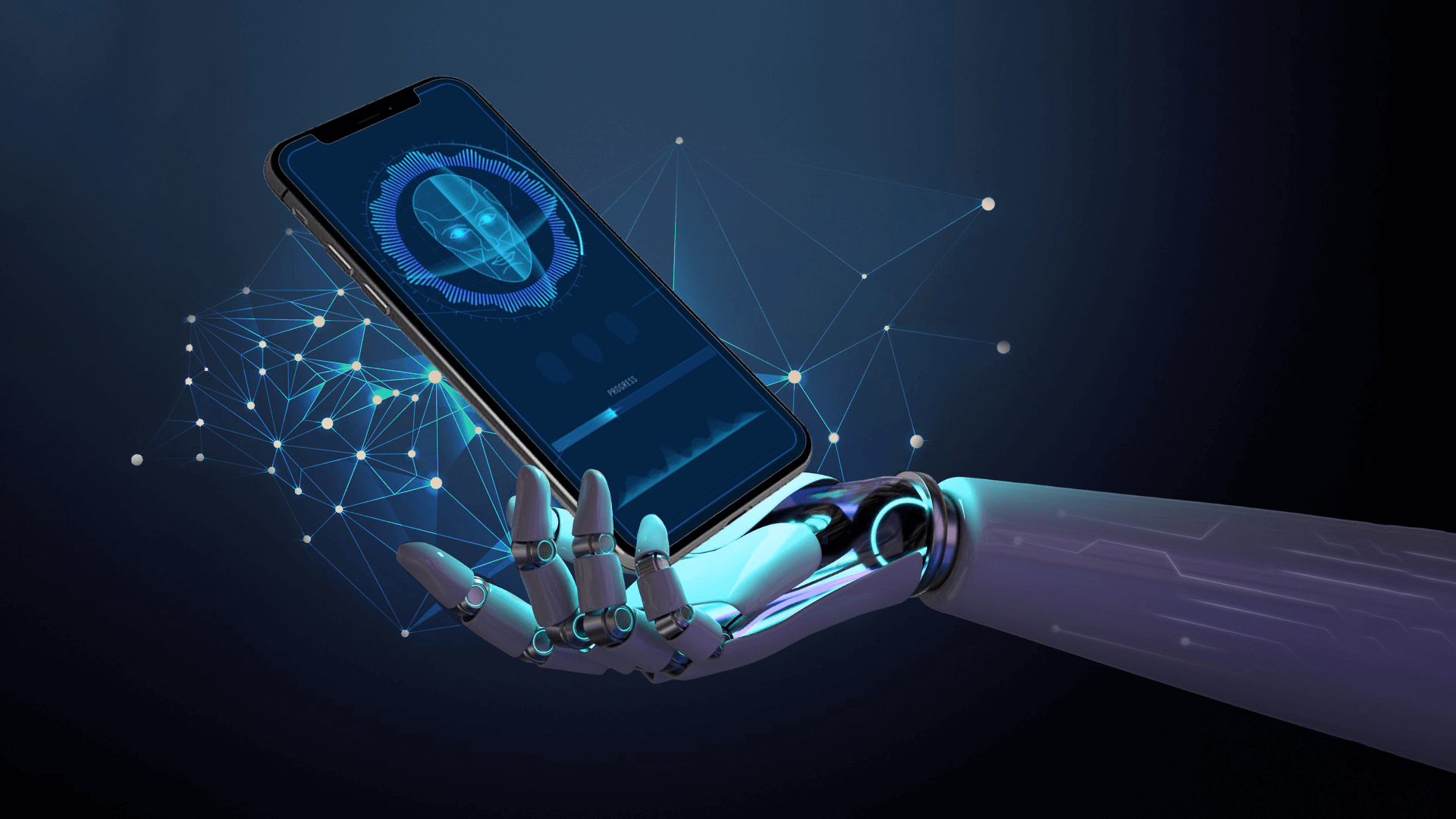
Many mobile applications now use AI for image recognition, facial authentication, and visual search. This is especially useful in industries like retail, healthcare, security, real estate, and social media.

Users can scan products to find similar items, unlock apps securely using face authentication, or upload images to detect objects or receive recommendations. AI-driven visual capabilities are opening up entirely new interaction models for mobile users.

5. Smarter Security and Fraud Detection

Security is a major concern in mobile app development, especially in fintech, healthcare, and enterprise solutions. AI helps improve security by monitoring user behavior, identifying anomalies, and detecting suspicious activity in real time.

For example, an AI-powered banking app can recognize when a login attempt does not match normal user behavior and trigger additional verification. This reduces fraud risk without creating unnecessary friction for legitimate users.

How AI Is Transforming Web Applications

Web applications are also undergoing major changes through AI integration. Businesses are moving beyond static websites and dashboards toward platforms that can think, respond, and optimize continuously.

1. Intelligent Search and Discovery

Search is one of the most important features of any web application. AI improves search by making it more contextual and relevant. Instead of matching only keywords, AI-powered search understands intent, behavior, and semantic meaning.

This is especially useful for eCommerce websites, content platforms, learning portals, and large enterprise systems. Users can find what they need faster, even when they use vague or conversational queries.

This also aligns with AEO and GEO goals, since answer-focused and intent-based content structures perform better in modern search environments.

2. AI Chatbots and Virtual Assistants

Web applications increasingly rely on AI chatbots to improve customer support, lead generation, onboarding, and internal operations. Unlike traditional scripted bots, modern AI assistants can handle more natural conversations, answer complex queries, and escalate when needed.

This makes websites more helpful and reduces the load on human support teams. It also creates a better customer journey by offering instant, 24/7 assistance.

For businesses, AI chatbots can qualify leads, recommend services, answer FAQs, book appointments, and guide users through key actions on the site.

3. Automated Content and Workflow Management

AI is also helping web applications automate internal processes. Content management systems can now use AI to assist with summarization, tagging, translation, optimization, and content generation. Business dashboards can generate reports automatically. CRM platforms can score leads and recommend next steps.

This kind of automation is especially valuable for organizations looking to improve efficiency without increasing manual workload.

4. Better Analytics and Decision Support

One of AI’s strongest contributions to web applications is its ability to turn raw data into useful insights. Traditional dashboards often require users to interpret charts and reports manually. AI-enhanced platforms can go further by identifying trends, highlighting risks, and suggesting actions.

For example, an AI-powered sales dashboard can tell a manager which deals are likely to close, which accounts need attention, and which campaigns are underperforming. This makes business intelligence more actionable and accessible.

5. Accessibility and User Experience Improvements

AI can also improve accessibility in web applications by supporting voice commands, automated captions, text simplification, image descriptions, and adaptive interfaces. This helps businesses create platforms that are more inclusive and easier to use for a wider audience.

As user expectations continue to rise, accessibility is becoming an important part of application design, not just a compliance checkbox.

Why Businesses Are Investing in AI Development

The reason AI development is gaining so much momentum is simple. It creates measurable business value.

AI-powered mobile and web applications can improve engagement, increase retention, reduce operational costs, accelerate decision-making, and unlock new revenue opportunities. Businesses are no longer adopting AI just for innovation headlines. They are adopting it because it solves real problems.

Here are some of the biggest business benefits:

Higher personalization: AI helps deliver tailored experiences that improve conversions and loyalty.

Improved efficiency: Automation reduces manual tasks and speeds up workflows.

Better decision-making: AI extracts insights from large datasets faster than traditional methods.

Enhanced customer support: AI chatbots and assistants improve response times and service availability.

Stronger security: AI can detect fraud, unusual behavior, and potential threats more effectively.

Scalability: Intelligent systems help businesses handle growth without proportional increases in cost.

For organizations competing in crowded markets, these benefits can make a major difference.

Industries Seeing the Biggest Impact

AI development is transforming nearly every industry, but some sectors are seeing especially strong results in mobile and web applications.

eCommerce

AI is helping eCommerce businesses personalize shopping experiences, optimize pricing, improve product recommendations, and automate support.

Healthcare

AI-powered applications are supporting symptom checking, patient engagement, medical imaging analysis, scheduling, and smarter health data management.

Finance

Banks and fintech companies are using AI for fraud detection, credit scoring, customer service, financial insights, and automation.

Real Estate

AI is improving property recommendations, virtual assistance, lead scoring, and market analysis.

Education

Learning platforms use AI to personalize lessons, assess progress, recommend content, and support students with intelligent tutoring.

Travel and Hospitality

AI helps with pricing predictions, travel recommendations, chat-based booking support, and customer personalization.

Key Considerations Before Building AI-Powered Applications

While the benefits are significant, successful AI development requires careful planning. Businesses should not add AI for the sake of trends. It needs to be connected to clear goals and real user needs.

Some important considerations include:

Defining the Use Case

Not every feature needs AI. The best results come from identifying specific challenges where AI can improve outcomes, such as personalization, automation, recommendations, or prediction.

Data Quality

AI systems are only as good as the data behind them. Poor data quality leads to poor results. Businesses need a clear data strategy before moving into AI development.

Privacy and Security

Applications that use AI often process sensitive user data. Strong privacy practices, secure infrastructure, and responsible AI policies are essential.

User Trust

Users want convenience, but they also want transparency. Businesses should make AI interactions understandable and avoid creating experiences that feel invasive or confusing.

Scalability and Integration

AI features should fit naturally within the application architecture. That means thinking about APIs, cloud infrastructure, data pipelines, and future growth from the beginning.

The Future of AI in Mobile and Web Applications

AI development is still evolving rapidly. In the coming years, we will likely see even deeper integration between AI and digital applications.

Mobile apps will become more proactive, context-aware, and autonomous. Web platforms will offer more conversational, intelligent, and self-optimizing experiences. Generative AI will continue to influence content creation, coding support, customer communication, and internal knowledge management.

We are also moving toward a future where AI agents play a larger role in applications. Instead of just answering questions or making recommendations, these agents will complete tasks, coordinate workflows, and support users more independently.

For businesses, this means the definition of a great application is changing. It is no longer only about clean UI and functional performance. It is about intelligence, adaptability, and relevance.

Final Thoughts

AI development is transforming mobile and web applications in ways that are practical, measurable, and increasingly necessary. It is helping businesses create smarter products, deliver better customer experiences, automate operations, and stay competitive in a fast-changing digital environment.

The most successful applications in the coming years will not just be digital. They will be intelligent. They will learn from users, respond in real time, and continuously improve the value they provide.

For businesses planning their next mobile app or web platform, AI is no longer something to consider later. It should be part of the conversation from the start. The opportunity is not only to build software that works, but to build software that thinks, adapts, and creates better outcomes for both users and businesses.

FAQ’s

1. How is AI used in mobile applications?

AI is used in mobile applications for personalization, voice assistants, smart recommendations, image recognition, fraud detection, predictive analytics, and automated customer support.

2. How does AI improve web applications?

AI improves web applications by enabling intelligent search, chatbots, predictive insights, workflow automation, personalization, and better analytics for decision-making.

3. Why is AI important in app development?

AI is important because it helps apps become more user-focused, efficient, scalable, and intelligent. It improves both the customer experience and business operations.

4. What industries benefit most from AI-powered mobile and web apps?

Industries like eCommerce, healthcare, finance, education, travel, logistics, and real estate are seeing strong benefits from AI-powered applications.

5. Is AI development expensive for businesses?

The cost depends on the complexity of the AI features, the amount of data involved, and the integration requirements. However, many businesses see strong long-term ROI through automation, efficiency, and improved conversions.

6. Can AI be integrated into existing mobile and web applications?

Yes, AI can often be integrated into existing applications through APIs, machine learning models, chat interfaces, recommendation systems, and analytics tools, depending on the current architecture.

7. What is the difference between traditional app development and AI app development?

Traditional app development relies on fixed rules and logic, while AI app development enables applications to learn from data, recognize patterns, and improve decisions over time.

8. Is AI in apps secure?

AI can improve security through fraud detection and anomaly monitoring, but it must be implemented carefully with strong privacy controls, secure data handling, and compliance practices.

9. Will AI replace traditional mobile and web development?

AI will not replace traditional development. Instead, it enhances it by making applications smarter and more capable. Developers still play a critical role in building secure, scalable, and user-friendly products.

10. What should businesses consider before building an AI-powered app?

Businesses should consider the use case, data quality, privacy, security, user trust, integration strategy, and long-term scalability before investing in AI development.

How AI Agents Can Automate Repetitive Business Operations

How AI Agents Can Automate Repetitive Business Operations

Businesses today are under constant pressure to do more with less. Teams are expected to respond faster, reduce manual work, improve accuracy, and still deliver a great customer experience. The problem is that many business operations still depend on repetitive tasks such as data entry, follow-up emails, ticket routing, report creation, appointment scheduling, lead qualification, invoice processing, and internal approvals.

This is where AI agents are creating real impact.

AI agents are no longer limited to answering simple questions in a chatbot window. Modern AI agents can understand instructions, make decisions based on rules and context, connect with business systems, and complete routine tasks with minimal human involvement. For companies looking to improve operational efficiency, AI agents are becoming a practical solution for automating repetitive business operations at scale.

In this blog, we will explain what AI agents are, how they work, where they can be used, and why businesses are increasingly adopting them to streamline workflows.

What Are AI Agents?

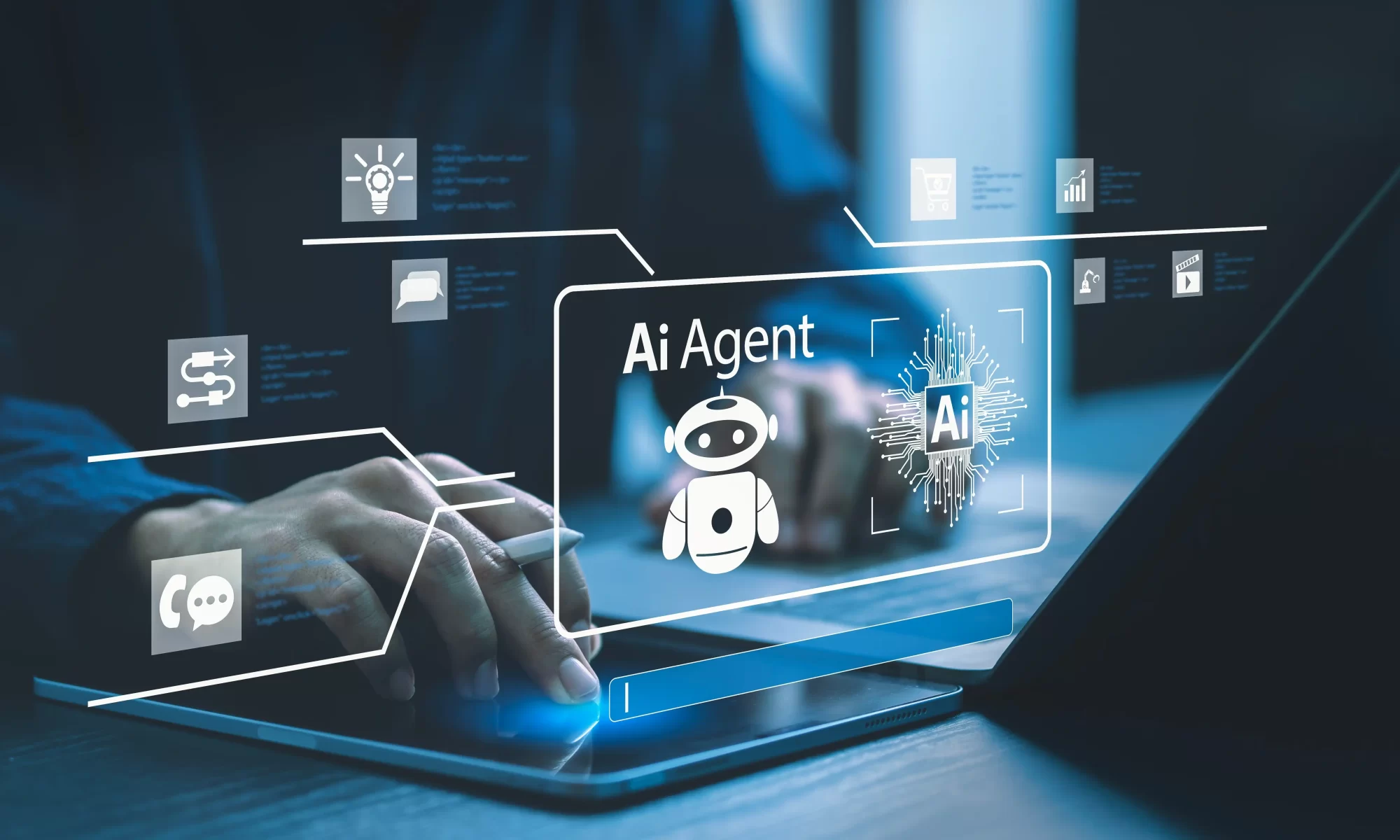
AI agents are intelligent software systems designed to perform tasks autonomously or semi-autonomously. Unlike traditional automation tools that follow fixed scripts, AI agents can analyze inputs, understand intent, apply logic, interact with multiple platforms, and take actions in real time.

An AI agent can be trained to:

  • respond to customer queries
  • assign support tickets
  • update CRM records
  • schedule meetings
  • send reminders
  • process forms
  • extract information from documents
  • generate summaries or reports
  • escalate issues when needed

In simple terms, AI agents act like digital workers that can handle repeatable business activities without requiring constant manual intervention.

Why Businesses Need AI Agents for Repetitive Operations

Most organizations lose valuable time on tasks that are necessary but do not create strategic value. Employees often spend hours each week on repetitive activities that could be automated. These tasks may seem small individually, but together they consume significant time, slow down processes, and increase the risk of human error.

AI agents help solve this problem by taking over routine operational work so teams can focus on higher-value responsibilities like strategy, customer relationships, innovation, and decision-making.

Some common challenges AI agents help address include:

  • delayed responses due to manual handling
  • inconsistent execution of repetitive tasks
  • human errors in data processing
  • high operational costs
  • limited scalability during growth
  • employee burnout from repetitive work

When implemented correctly, AI agents improve speed, consistency, and overall business productivity.

How AI Agents Automate Repetitive Business Operations

AI agents automate repetitive business operations by combining language understanding, workflow automation, system integration, and decision support. They can observe incoming data, interpret what needs to be done, and trigger the next step automatically.

Here is how the process typically works:

1. Receiving Input

AI agents start by receiving input from a source such as an email, chatbot, web form, CRM, ERP, mobile app, shared inbox, or internal ticketing system.

For example, a customer may submit a refund request, a lead may fill out an inquiry form, or an employee may send an invoice for approval.

2. Understanding the Request

The AI agent reads and interprets the request. It identifies the purpose, extracts useful information, and understands what action is required.

For example, it can identify whether an email is a support complaint, a sales inquiry, or a billing question.

3. Applying Business Rules

Once the request is understood, the AI agent applies business logic. This may include checking predefined rules, priority levels, historical data, customer status, deadlines, or approval requirements.

For example, the agent may route high-priority support tickets to senior staff while assigning basic questions to automated workflows.

4. Taking Action

The AI agent then performs the required task. This could include updating records, sending emails, assigning tickets, generating responses, creating follow-up tasks, or notifying relevant teams.

5. Escalating When Needed

Not every task should be fully automated. AI agents can handle routine cases and escalate exceptions to human teams when the request is complex, sensitive, or outside defined rules.

This creates a balanced workflow where automation supports people instead of replacing good judgment.

Key Business Operations AI Agents Can Automate

AI agents can be deployed across departments. Their value is not limited to customer service. They can support nearly every business function where repetitive and process-driven work exists.

Customer Support Operations

Customer support teams often deal with repetitive queries such as order status, password reset requests, refund policies, appointment confirmations, and service updates.

AI agents can:

  • answer common support questions instantly
  • classify and route tickets automatically
  • generate first-response drafts
  • send resolution updates
  • escalate urgent cases
  • summarize long customer conversations for agents

This reduces response time and helps support teams handle larger volumes efficiently.

Sales and Lead Management

Sales teams spend a lot of time on lead qualification, follow-ups, CRM updates, meeting coordination, and status tracking.

AI agents can:

  • qualify leads based on predefined criteria
  • assign leads to the right sales representative
  • send automated follow-up emails
  • schedule demos or discovery calls
  • update CRM records automatically
  • remind teams about pending opportunities

By removing manual admin work, AI agents allow sales professionals to focus more on closing deals.

Finance and Accounting Workflows

Finance teams handle many repetitive processes such as invoice matching, payment reminders, expense categorization, data entry, and approval routing.

AI agents can:

  • extract invoice data from emails or PDFs
  • match invoices with purchase orders
  • send payment reminders
  • flag duplicate or missing records
  • create financial summaries
  • route approvals to the right stakeholders

This improves accuracy and reduces turnaround time in finance operations.

Human Resources and Employee Support

HR departments often manage repetitive requests related to onboarding, leave policies, document collection, interview scheduling, and employee FAQs.

AI agents can:

  • answer employee policy questions
  • schedule interviews
  • collect onboarding documents
  • send reminders for pending tasks
  • track leave requests
  • guide candidates through application steps

This helps HR teams deliver faster support while improving employee and candidate experience.

IT and Internal Operations

Internal teams also deal with repetitive requests such as password resets, access requests, software issues, device allocation, and service desk routing.

AI agents can:

  • respond to common IT queries
  • create and assign service tickets
  • guide users through troubleshooting steps
  • manage access approval workflows
  • notify teams about status changes

This reduces pressure on IT helpdesks and speeds up issue resolution.

Supply Chain and Operations Management

Businesses with logistics, manufacturing, or field operations often rely on repetitive process coordination.

AI agents can:

  • track shipment updates
  • notify teams of delays
  • manage order status communication
  • automate inventory alerts
  • update operational dashboards
  • coordinate field service scheduling

This leads to smoother operations and better visibility across the workflow.

Benefits of Using AI Agents in Business Operations

AI agents deliver more than simple automation. They improve how operations are managed day to day.

Higher Efficiency

AI agents can complete repetitive tasks much faster than manual teams. They operate continuously without the usual delays caused by backlogs or working-hour limitations.

Lower Operational Costs

Automating high-volume repetitive work reduces dependency on manual effort for every small task. This helps businesses manage operational costs more effectively.

Better Accuracy

Human errors are common in repetitive tasks, especially when volume is high. AI agents help reduce mistakes in data handling, routing, tracking, and response generation.

Faster Response Times

Whether it is customer support, internal requests, or follow-up emails, AI agents can act instantly. Faster response times improve both service quality and business performance.

Improved Scalability

As businesses grow, repetitive workloads also increase. AI agents help organizations scale operations without increasing headcount at the same rate.

Better Employee Productivity

When routine work is automated, teams can focus on problem-solving, customer engagement, decision-making, and strategic growth initiatives.

AI Agents vs Traditional Automation

Traditional automation works well for fixed, rule-based tasks with structured inputs. However, it often struggles when data is unstructured or when the process requires understanding context.

AI agents go beyond basic automation because they can:

  • understand natural language
  • interpret emails, chats, and documents
  • adapt to different user requests
  • connect across multiple tools
  • support decision-making with context
  • escalate edge cases intelligently

This makes AI agents more flexible for modern business operations where not all tasks follow a rigid format.

Things Businesses Should Consider Before Implementing AI Agents

While AI agents offer strong business value, successful implementation requires planning.

Identify High-Volume Repetitive Tasks

Start with processes that are repetitive, time-consuming, and rule-driven. These are usually the fastest wins for AI automation.

Define Clear Workflows

Businesses need to define what the AI agent should do, when it should take action, and when it should escalate to humans.

Integrate with Existing Systems

AI agents work best when connected with CRMs, ERPs, HRMS platforms, helpdesks, email systems, and internal databases.

Monitor Performance

Businesses should track response time, resolution rate, task completion accuracy, cost savings, and customer satisfaction after deployment.

Keep Human Oversight

AI agents should support teams, not blindly replace every step. Human review remains important for sensitive, legal, financial, or exceptional cases.

Real-World Example of AI Agent Automation

Imagine a company receiving hundreds of inbound support and sales emails every day.

Without AI agents, employees manually open emails, understand the request, classify them, assign them to the right team, send acknowledgements, and update records.

With an AI agent in place, the system can:

  • read every incoming email
  • detect whether it is a support, billing, or sales inquiry
  • extract customer details
  • create or update a CRM or helpdesk entry
  • send an instant response
  • assign the case to the right team
  • escalate urgent cases

What previously required multiple people and manual coordination can now happen in seconds.

The Future of Business Operations with AI Agents

AI agents are expected to become a core part of business operations in the coming years. As AI models improve and integrations become easier, businesses will use AI agents not just for task execution but also for workflow coordination, process monitoring, and operational intelligence.

Instead of hiring more people to handle repetitive workload growth, businesses will increasingly deploy AI agents to maintain quality, speed, and consistency.

The companies that adopt this early will likely have an operational advantage in cost control, service quality, and scalability.

Final Thoughts

AI agents are changing the way businesses handle repetitive operations. From customer service and sales to HR, finance, and IT, they help reduce manual effort, improve turnaround time, and create more efficient workflows.

For businesses that want to improve productivity without compromising quality, AI agents offer a practical and scalable solution. The key is to start with the right use cases, integrate them properly, and maintain the right balance between automation and human oversight.

Repetitive work will always exist in business. The difference now is that companies no longer need to rely entirely on manual effort to manage it.

FAQ’s

1. What are AI agents in business operations?

AI agents are intelligent software systems that can understand requests, apply logic, interact with business tools, and perform repetitive operational tasks automatically.

2. How do AI agents automate repetitive tasks?

AI agents receive input, understand the request, apply business rules, take action, and escalate exceptions when needed. This helps automate tasks such as ticket routing, scheduling, data entry, and follow-ups.

3. Which business departments can use AI agents?

AI agents can be used in customer support, sales, HR, finance, IT, logistics, and operations. Any department with repetitive, rule-based workflows can benefit.

4. Are AI agents better than traditional automation?

AI agents are often more flexible than traditional automation because they can understand natural language, process unstructured data, and respond more intelligently to changing situations.

5. Can AI agents reduce business operating costs?

Yes, AI agents can lower operational costs by reducing manual effort, speeding up routine workflows, and improving process accuracy.

6. Do AI agents replace human employees?

AI agents are best used to support employees by handling repetitive work. Human teams are still needed for strategic thinking, decision-making, relationship management, and exception handling.

7. What are examples of repetitive business operations AI agents can automate?

Examples include customer query handling, lead qualification, appointment scheduling, invoice processing, approval routing, CRM updates, employee onboarding support, and internal ticket management.

8. Are AI agents suitable for small businesses?

Yes, small businesses can also benefit from AI agents, especially in areas where limited teams handle large volumes of repetitive work.

9. What should businesses automate first with AI agents?

Businesses should begin with high-volume, repetitive, rule-based tasks that create delays or consume too much employee time.

10. How can a company successfully implement AI agents?

A company should identify suitable workflows, define clear rules, connect the AI agent with existing systems, monitor performance, and keep human oversight for complex cases.

How AI Agents Are Replacing Manual Workflows Across Sales, Support, and Operations

How AI Agents Are Replacing Manual Workflows Across Sales, Support, and Operations

Artificial intelligence is no longer limited to chatbots, recommendation engines, or predictive dashboards. A much bigger shift is happening across modern businesses. AI agents are now moving beyond assisting teams and are starting to execute work that was once fully manual. From qualifying leads and replying to support requests to updating internal systems and coordinating operational tasks, AI agents are becoming active participants in day-to-day business workflows.

For companies under pressure to reduce costs, improve speed, and scale without constantly increasing headcount, this change is highly significant. Manual workflows have long been a bottleneck in sales, customer support, and operations. They consume time, introduce inconsistency, and slow down decision-making. AI agents are changing that by acting with context, memory, and goal-oriented behavior.

This is not just automation in the old sense. Traditional automation follows fixed rules. AI agents can interpret information, make decisions based on available data, interact with multiple systems, and complete multi-step tasks with minimal human input. That is why businesses across industries are increasingly turning to AI agents to modernize how they work.

What Are AI Agents?

AI agents are intelligent software systems designed to perform tasks autonomously or semi-autonomously. Unlike simple bots or rule-based scripts, AI agents can understand language, analyze inputs, reason through tasks, and take action based on a defined objective.

An AI agent may do things such as:

  • Read incoming emails and determine priority
  • Qualify sales leads based on CRM data and website activity
  • Respond to customer queries by pulling answers from knowledge bases
  • Trigger follow-up actions across tools like CRM, helpdesk, ERP, and communication platforms
  • Monitor workflows and escalate exceptions when needed

The real value of AI agents lies in their ability to connect systems, understand intent, and move work forward without waiting for someone to manually coordinate each step.

Why Manual Workflows Are Becoming Unsustainable

Most businesses still rely heavily on manual workflows, even after investing in digital tools. Teams often jump between spreadsheets, emails, CRM systems, ticketing tools, and internal dashboards to complete simple tasks. The process may be manageable at a small scale, but as the business grows, inefficiency becomes unavoidable.

Manual workflows usually create problems such as:

  • Delayed response times
  • Repetitive administrative effort
  • Human errors in data entry and reporting
  • Poor visibility across departments
  • Inconsistent customer experiences
  • Slower revenue cycles and higher support costs

Employees end up spending too much time on low-value work instead of focusing on relationship building, strategic planning, or complex problem-solving. AI agents help eliminate this gap by taking over repetitive and process-driven tasks.

AI Agents in Sales: Replacing Repetitive Revenue Tasks

Sales teams are among the biggest beneficiaries of AI agents. A large part of the sales process is filled with manual work that takes time away from actual selling. Reps often spend hours researching prospects, updating CRM records, following up with leads, booking meetings, and preparing summaries.

AI agents can handle many of these tasks with speed and consistency.

Lead Qualification

One of the earliest areas where AI agents are making an impact is lead qualification. Instead of asking sales reps to manually review every incoming inquiry, AI agents can analyze form submissions, website behavior, past interactions, industry signals, and CRM records to score and prioritize leads.

This helps teams focus on high-intent opportunities while filtering out low-fit prospects. It also ensures that good leads are not ignored because of delayed review.

Automated Follow-Ups

Following up is essential in sales, but it is also one of the easiest tasks to delay. AI agents can automatically send personalized follow-up emails, reminders, meeting confirmations, and next-step messages based on where the prospect is in the funnel.

They can adapt messaging based on context, schedule future outreach, and even alert a human rep when a lead shows strong buying signals.

CRM Data Entry and Updates

CRM hygiene has always been a challenge. Many sales teams struggle with incomplete records, outdated contact details, and missing activity logs because manual updates are time-consuming. AI agents can automatically log calls, summarize meetings, update opportunity stages, and capture key information from emails and chats.

This improves reporting accuracy and reduces the administrative burden on sales teams.

Sales Assistance and Opportunity Insights

AI agents can also act as internal sales assistants. They can recommend the next best action, identify stalled deals, summarize account history before meetings, and generate tailored talking points for outreach. Instead of forcing reps to search through multiple tools, the agent brings relevant information together in one place.

The result is a more efficient sales process with faster responses, better prioritization, and more time spent on revenue-generating activity.

AI Agents in Customer Support: Delivering Faster and Smarter Service

Customer support has already seen major automation through chatbots, but AI agents represent the next level. Traditional support bots often fail because they rely on rigid scripts and limited intent recognition. AI agents are more capable because they understand context, retrieve knowledge intelligently, and perform actions across support systems.

Instant Query Resolution

AI agents can respond to common support questions in real time, whether through chat, email, voice, or messaging platforms. They can pull answers from product documentation, previous tickets, internal knowledge bases, and policy documents. This reduces the need for human agents to repeatedly answer the same questions.

Customers get faster responses, and support teams can focus on more complex cases.

Smart Ticket Triage

Manually sorting and assigning support tickets takes time and often leads to delays. AI agents can analyze incoming requests, detect urgency, identify the topic, assess sentiment, and route tickets to the right team or queue. They can also enrich tickets with relevant customer history before a human agent even opens them.

This leads to faster resolution times and better workload distribution.

Agent Assistance During Live Support

AI agents do not only replace work. They also support human agents in real time. During a live conversation, an AI agent can suggest responses, surface help articles, summarize the issue, and recommend escalation steps. This improves agent productivity and helps maintain consistency across support interactions.

Post-Interaction Work

After a support case is resolved, there is often more manual work to complete. Agents need to write summaries, tag the case, update status fields, and sometimes trigger follow-up workflows. AI agents can complete these tasks automatically, which shortens handling time and keeps systems updated.

For support organizations, this means lower operational cost, improved customer satisfaction, and higher agent efficiency.

AI Agents in Operations: Driving Efficiency Behind the Scenes

Operations teams often manage the invisible work that keeps the business running. This includes approvals, reporting, document handling, inventory coordination, vendor communication, compliance checks, and internal service requests. Much of this work is repetitive, rules-based, and spread across disconnected systems.

AI agents are increasingly being used to bring intelligence into operational workflows.

Workflow Coordination

Operational processes often involve multiple steps across different departments. For example, onboarding a new vendor may require document collection, verification, approval, account creation, and internal notifications. AI agents can coordinate these steps, track progress, and move tasks forward automatically.

Instead of relying on email chains and manual follow-ups, the process becomes streamlined and traceable.

Document Processing

Operations teams deal with invoices, contracts, forms, purchase orders, and reports. AI agents can extract data from documents, validate entries, match records across systems, and flag inconsistencies for review. This reduces manual effort and speeds up processing cycles.

Internal Request Management

Many organizations still manage internal service requests through emails or basic ticket systems. AI agents can interpret employee requests, categorize them, answer common questions, and route them to the appropriate department. In some cases, they can resolve the issue directly, such as resetting access, retrieving policy information, or generating standard documents.

Monitoring and Exception Handling

Operations are not only about completing tasks. They are also about monitoring for issues. AI agents can continuously watch for anomalies, missed deadlines, supply disruptions, policy violations, or incomplete transactions. When they detect a problem, they can alert the right team or trigger corrective actions.

This makes operational processes more proactive instead of reactive.

AI Agents vs Traditional Automation

It is important to understand that AI agents are not the same as traditional workflow automation tools. Traditional automation follows predefined if-then rules. It works well for stable and repetitive processes, but it struggles when tasks involve unstructured data, natural language, changing context, or exceptions.

AI agents add a layer of intelligence that makes automation more flexible and useful.

Traditional automation says:
If a form is submitted, create a record and send an email.

An AI agent says:
Review the form, determine the lead quality, check CRM history, draft a personalized response, assign the record to the right rep, and schedule a reminder if there is no reply.

That difference is what makes AI agents so powerful. They are not just automating clicks. They are helping businesses automate decision-driven work.

Key Benefits of AI Agents Across Business Functions

The growing adoption of AI agents is driven by measurable business outcomes. Organizations are not deploying them just because AI is popular. They are doing it because the impact is practical and visible.

Higher Productivity

Employees spend less time on repetitive tasks and more time on high-value work. Sales teams sell more, support teams solve more meaningful issues, and operations teams improve process control.

Faster Response Times

AI agents work instantly and continuously. Leads can be followed up faster, customer issues can be addressed sooner, and operational workflows can move without waiting for manual intervention.

Improved Accuracy

Manual processes often introduce errors, especially when teams are overloaded. AI agents reduce mistakes in data handling, routing, reporting, and record updates.

Better Scalability

As businesses grow, manual work increases quickly. AI agents allow companies to scale workflows without needing a proportional increase in staff for every administrative task.

Consistent Experiences

Whether it is a customer receiving support or a sales lead entering the pipeline, AI agents help ensure that processes are followed consistently and service quality remains stable.

Real-World Use Cases of AI Agents

Businesses across industries are already deploying AI agents in practical ways.

In e-commerce, AI agents answer order-related questions, process returns, and support inventory updates.

In healthcare administration, they handle appointment scheduling, insurance verification, and patient communication workflows.

In finance, they assist with document review, client onboarding, and compliance checks.

In manufacturing, they monitor supply chain updates, coordinate vendor communications, and flag delays.

In software and SaaS businesses, they qualify product inquiries, manage support tickets, summarize user feedback, and assist customer success teams.

These examples show that AI agents are not limited to one function or industry. Their value grows anywhere there is a repeatable process involving information, decisions, and actions.

Challenges Businesses Must Consider

Despite the benefits, AI agents are not a plug-and-play solution. Successful implementation requires planning, governance, and integration.

Data Quality

AI agents are only as effective as the systems and data they rely on. Poor CRM records, outdated documents, or fragmented knowledge bases can reduce performance.

Integration Complexity

To be useful, AI agents often need access to multiple systems such as CRM, ERP, helpdesk, email, and communication platforms. Integration must be handled carefully.

Oversight and Governance

Businesses need clear rules for where AI agents can act independently and where human approval is required. This is especially important in regulated industries or customer-facing scenarios.

Change Management

Employees may resist automation if they see it as a threat. Organizations need to position AI agents as tools that remove repetitive work and improve employee productivity rather than simply replacing jobs.

Security and Compliance

Access control, audit trails, and responsible handling of sensitive data must be part of any AI agent strategy.

The Future of Work: Human Teams and AI Agents Together

The most realistic future is not one where AI agents completely replace human workers. It is one where human teams and AI agents work together. AI handles repetitive tasks, process coordination, and information-heavy work. Humans focus on judgment, empathy, creativity, and strategic decisions.

In sales, reps will spend less time on admin and more time on relationships.

In support, agents will spend less time on repetitive tickets and more time on high-empathy problem solving.

In operations, teams will spend less time chasing tasks and more time improving systems and outcomes.

This partnership model is what makes AI agents so transformative. They do not just automate work. They reshape how work is organized.

How Businesses Can Start with AI Agents

Organizations interested in adopting AI agents should begin with a focused approach.

Start by identifying workflows that are repetitive, time-consuming, and dependent on multiple systems. Look for areas where delays, manual errors, or administrative burden are hurting business performance. Sales follow-ups, support triage, onboarding processes, invoice handling, and internal request routing are often strong starting points.

Next, define the role of the AI agent clearly. Decide what actions it can take, what tools it can access, and when human oversight is needed. Then integrate it with the right data sources and systems.

Most importantly, measure outcomes. The success of an AI agent should be evaluated based on business impact such as response time reduction, conversion improvement, cost savings, or processing efficiency.

Conclusion

AI agents are quickly becoming one of the most important technologies in modern business operations. They are replacing manual workflows across sales, support, and operations not by simply speeding up tasks, but by changing how those tasks are performed altogether.

As businesses face increasing pressure to deliver faster service, improve efficiency, and scale intelligently, AI agents offer a powerful path forward. They reduce repetitive work, connect disconnected systems, and enable teams to focus on what truly matters.

The companies that adopt AI agents strategically will be better positioned to operate efficiently, serve customers effectively, and grow without being held back by manual processes. The shift is already happening, and it is redefining the future of work across every department.