
Loading...
 Winklix
IT Solution Simplified


Business Units
Backed by deep expertise in clinical AI development, healthcare interoperability standards, and regulatory compliance, Winklix delivers AI solutions that work within the complex constraints of healthcare environments—clinically validated, HIPAA-compliant, EHR-integrated, and engineered for patient safety from day one.






We align our success with our clients success : Our client-centric approach delivers clients satisfaction consistently .


AT&T collaborates with Winklix to enhance SAP performance, streamlining ERP processes and optimizing sales operations.


Boeing partnered with Winklix’s eCommerce experts to unify multiple ecommerce product platforms and improve digital experience.


Burberry partnered with Winklix to revamp its online store, enhancing user engagement and driving higher traffic.


Coles Group engaged Winklix to develop its website and app using Adobe Experience Cloud for better customer experience.


MTailor partnered with Winklix for the development of its website and mobile app for custom-made clothing experiences.


OnTheMarket partnered with Winklix for Salesforce implementation, application development, and digital transformation initiatives.


Valvoline partnered with Winklix for SAP HANA implementation and ongoing maintenance to improve operational efficiency.


VMware trusted partnership background image
Winklix is trusted by renowned global brands, enterprises, and ambitious businesses to deliver technology solutions that create real impact. We take pride in building long-term partnerships through innovation, reliability, and results-driven execution.


Global enterprises trust Winklix to lead their transformation
Developers
A decade of enterprise delivery, zero shortcuts
Complex problems, delivered at scale
Agentforce & AI, built for enterprise complexity
Winklix delivered our Salesforce solution with clarity, speed, and professionalism. Their team helped us improve visibility, streamline workflows, and create a more connected client experience.

Winklix modernized a SharePoint site by implementing enhanced functionality, improving usability, and delivering a more efficient digital experience.

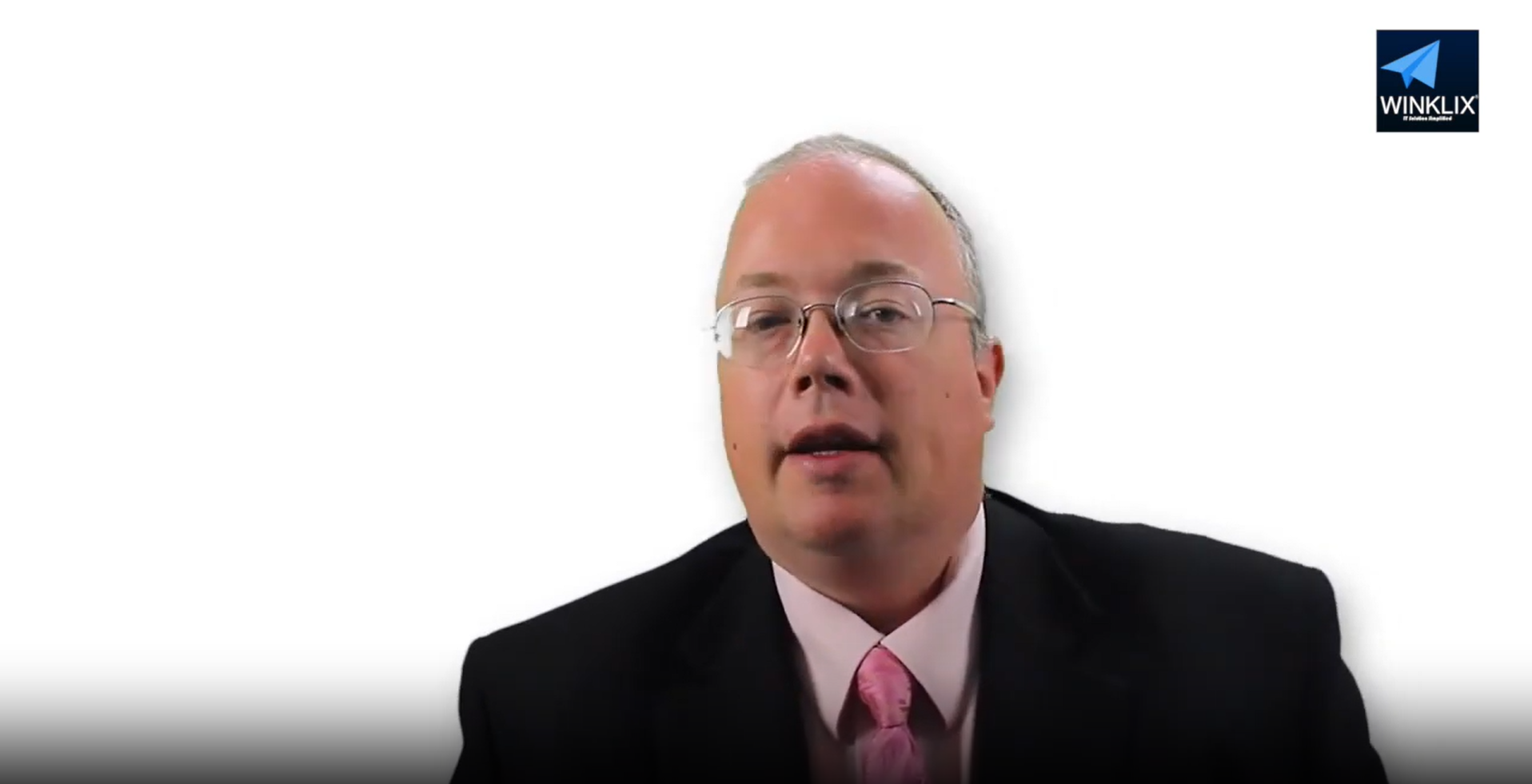
From the very beginning of the project through software release and beta testing, Winklix demonstrated exceptional attention to detail, strong accountability, and a consistent commitment to quality.

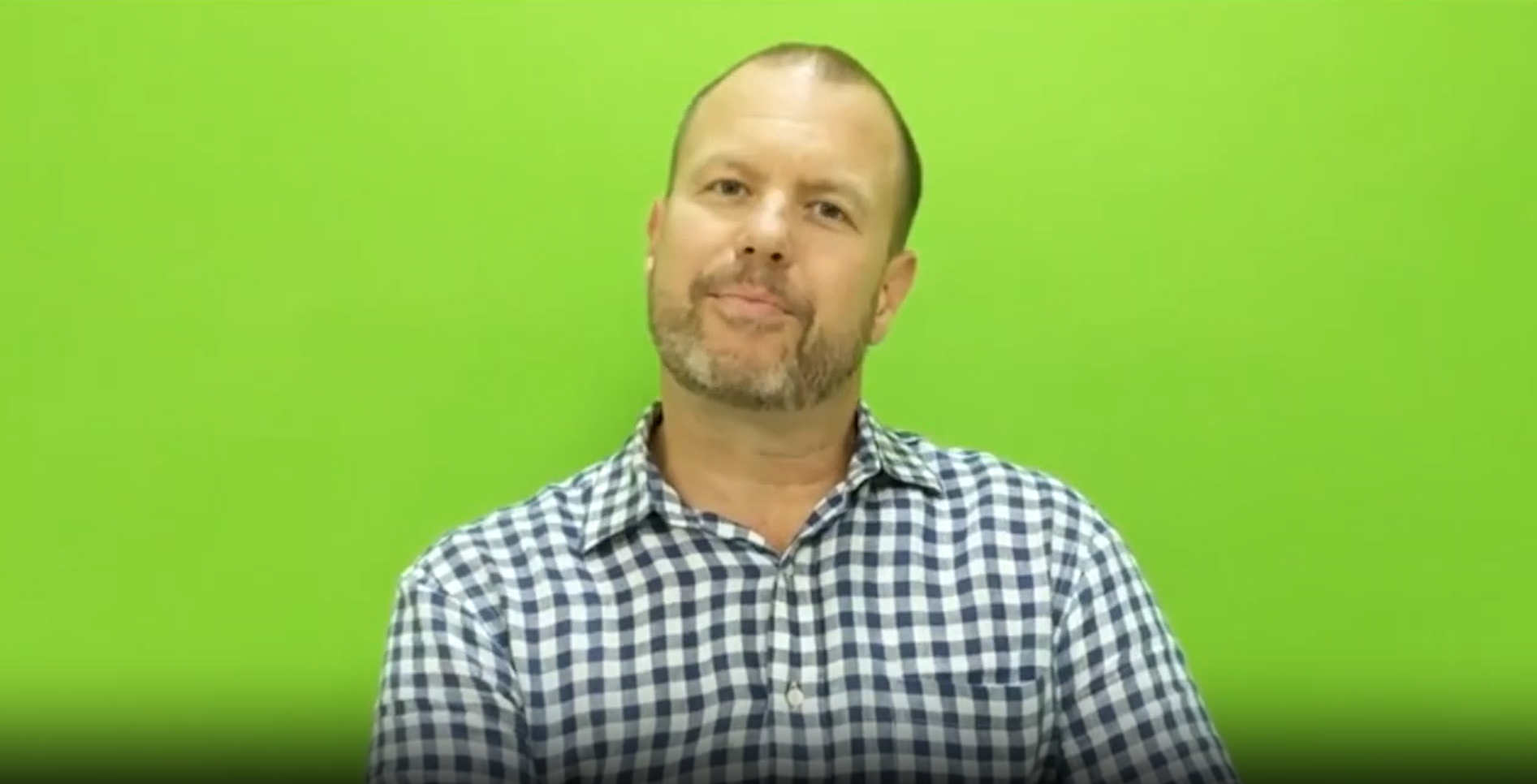
Winklix provided us with a team of highly skilled PHP developers and consistently showed great flexibility in helping us meet our deadlines.

Winklix designed and developed a native iOS app that delivers a quantitative assessment of users' physical fitness, with every task completed accurately, promptly, and efficiently.
Learn why professionals trust our solutions to
complete their customer journeys.
Winklix engineers went beyond standard testing procedures and identified critical risks that could have been easily overlooked. Their reporting was clear, practical, and focused on the actual level of risk, giving us strong evidence to support our compliance efforts and the data protection commitments we make to our customers.

We are fully satisfied with our partnership with Winklix. Their team delivered penetration testing services in a timely, professional, and dependable manner.

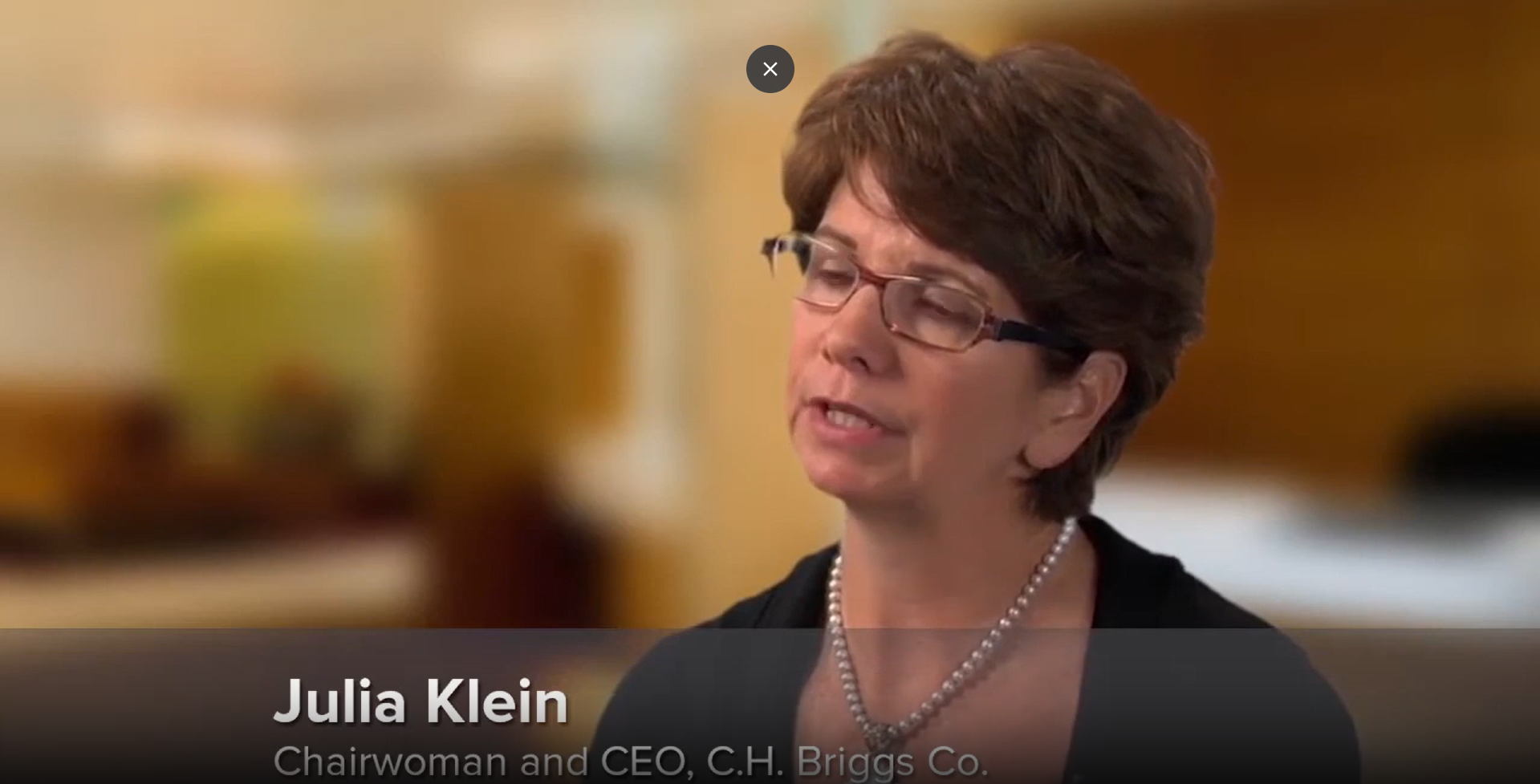
The team at Winklix leveraged SharePoint capabilities to create an attractive, functional, and easy-to-use intranet. We truly appreciate Winklix's professionalism, dedication, and commitment to the success of the project.


Winklix helped us streamline our Salesforce implementation with a practical, efficient, and highly responsive approach. Their team made the process smooth and delivered real business value

We engaged Winklix to implement Microsoft Dynamics as part of our migration and transition from Salesforce.com. Their team was highly engaging, knowledgeable, professional, and communicated exceptionally well throughout the project.
Deploy production-ready AI solutions built for clinical precision and strict regulatory compliance. From medical imaging diagnostics and clinical NLP documentation to automated prior authorizations and patient risk stratification, we engineer secure, interoperable AI systems that seamlessly integrate into existing EHR workflows.
We develop AI systems for radiology, pathology, cardiology, and ophthalmology—covering X-ray, CT, MRI, whole slide imaging, and ultrasound modalities—with PACS integration, DICOM compatibility, and clinical workflow deployment that puts AI findings directly where clinicians need them.
We build AI-powered clinical decision support systems integrated into EHR workflows via CDS Hooks, FHIR APIs, and SMART on FHIR—delivering risk scores, evidence-based alerts, diagnosis assistance, and treatment recommendations within the clinical interfaces physicians and nurses already use.
We develop NLP and LLM solutions for ambient clinical documentation, note summarization, medical coding assistance, prior authorization generation, and clinical text extraction—reducing documentation burden on clinicians while maintaining clinical accuracy and HIPAA compliance.
We automate prior authorization workflows, claims processing, medical coding, denial prediction, and eligibility verification using AI—connecting to payer systems, EHRs, and RCM platforms to reduce administrative burden and accelerate revenue cycle performance.
We build predictive AI models for patient risk scoring, readmission prediction, sepsis early warning, chronic disease identification, and care gap detection—integrating with EHR, claims, and population health platforms to enable proactive, data-driven care management.
We develop AI for pharmaceutical and biotech organizations—molecular property prediction, patient cohort identification, clinical trial protocol optimization, pharmacovigilance signal detection, and real-world evidence AI connected to claims and EHR data sources.
Deploy clinically validated AI solutions that integrate with your EHR, PACS, and clinical workflows—reducing physician burden, improving diagnostic accuracy, automating administrative processes, and supporting better patient outcomes across your healthcare organization.


Our healthcare AI solutions are purpose-built for the clinical workflows, interoperability standards, and regulatory requirements of every healthcare organization type. From hospitals and health systems to payers, pharma, medical devices, and digital health companies, we engineer AI that addresses the specific challenges and opportunities of your clinical environment and patient population.
 Clinical Decision Support AI for Diagnosis, Treatment Planning, and Risk StratificationAI-Powered Nurse and Physician Documentation Assistance Integrated with EHR WorkflowsPatient Flow Optimization and Bed Management AI for Hospital OperationsSepsis, Deterioration, and Readmission Risk Prediction Models for Inpatient CareAI-Assisted Radiology for Chest X-Ray, CT, MRI, and Mammography InterpretationAutomated Anomaly Detection and Finding Prioritization in Imaging WorkflowsPACS-Integrated AI Triage Models for High-Acuity and Time-Sensitive StudiesQuantitative Imaging Analysis for Oncology, Cardiology, and NeurologyAI-Powered Prior Authorization Automation and Medical Necessity ReviewClaims Processing AI for Automated Adjudication and Fraud DetectionMember Risk Stratification and Care Management AI for Population HealthProvider Network Analytics AI for Cost Management and Quality ReportingAI-Accelerated Drug Discovery and Molecular Property PredictionClinical Trial Design AI and Patient Cohort Identification SystemsPharmacovigilance AI for Adverse Event Signal Detection and ReportingReal-World Evidence AI Connected to Claims and EHR Data SourcesLLM-Powered Patient-Facing Symptom Checkers and Health AssistantsRemote Patient Monitoring AI for Wearable and IoT Health Data AnalysisMental Health and Behavioral Health AI Tools with Responsible Design ControlsChronic Disease Management AI Embedded in Patient Engagement PlatformsFDA Software as a Medical Device (SaMD) AI Development and ValidationPoint-of-Care Diagnostic AI for Rapid Test Interpretation and TriageDevice Data AI Integration for Continuous Monitoring and Alert SystemsIn Vitro Diagnostics AI for Lab Automation and Result InterpretationDigital Pathology AI for Slide Analysis, Grading, and Cancer DetectionAutomated Lab Result Interpretation and Critical Value Alert SystemsLIMS-Integrated AI for Quality Control and Specimen Workflow OptimizationGenomic and Molecular Diagnostics AI for Variant ClassificationAI-Powered Medical Coding Automation and ICD/CPT Code SuggestionDenial Prediction and Prevention AI Connected to Claims Management SystemsPre-Authorization Eligibility AI and Benefits Verification AutomationRevenue Leakage Detection AI Embedded in Billing WorkflowsAI-Enhanced Telehealth Triage and Symptom Assessment for Virtual VisitsClinical Documentation AI for Ambient Transcription During Telehealth EncountersIntelligent Scheduling and Care Navigation AI for Virtual Care PlatformsPost-Visit Follow-Up and Care Gap Closure AI for Remote PatientsSocial Determinants of Health (SDOH) AI for Risk Identification and InterventionChronic Disease Prediction and Early Intervention AI Across Patient PopulationsCare Gap Identification AI Connected to Claims and EHR Data SourcesCommunity Health Program AI Analytics for Outcome Measurement and ReportingAI-Assisted Care Planning and Nursing Documentation AutomationPatient Monitoring AI for Early Warning Systems and Fall Risk DetectionWound Assessment and Treatment Recommendation AI for Nursing WorkflowsTherapy and Rehabilitation Progress Tracking AI for Allied Health ProvidersAI-Powered Patient Recruitment and Eligibility Screening for Clinical TrialsRegulatory Submission AI for FDA, EMA, and ICH Documentation WorkflowsProtocol Deviation Detection and Data Quality AI for Clinical OperationsReal-World Data AI Integration for Post-Market Surveillance and Observational Research
Healthcare AI Capabilities
We bridge the gap between advanced data science and bedside care. By combining deep clinical domain expertise, HL7/FHIR interoperability standards, and rigorous validation frameworks, we engineer production-grade AI solutions that integrate seamlessly into your existing EHR workflows, satisfy strict compliance mandates, and actively enhance patient outcomes.
AI systems for radiology, pathology, cardiology, and ophthalmology—analyzing X-ray, CT, MRI, whole slide imaging, and ultrasound with PACS integration and clinical-grade accuracy.
EHR-integrated AI for real-time clinical decision support via CDS Hooks and FHIR APIs—delivering risk scores, evidence-based alerts, and recommendations within clinician workflows.
Predictive models for readmission risk, sepsis early warning, deterioration prediction, and chronic disease identification integrated with EHR and claims data sources.
AI-powered ambient transcription that converts clinical conversations into structured clinical notes—reducing documentation burden on physicians and nurses while maintaining accuracy.
NLP-based AI that suggests accurate ICD-10, CPT, and HCC codes from clinical documentation—reducing manual coding effort and improving revenue cycle accuracy.
Machine learning for molecular property prediction, virtual screening, patient cohort identification for trials, and pharmacovigilance signal detection for pharmaceutical and biotech organizations.
AI for variant classification, genomic risk scoring, pharmacogenomics analysis, and precision medicine decision support connected to molecular and genomic data platforms.
Compliance is embedded at every layer of our healthcare AI development process. From HIPAA Privacy and Security Rule compliance and PHI de-identification through FDA Software as a Medical Device alignment, ISO 14971 risk management, and responsible AI governance frameworks, we build healthcare AI that meets the strictest regulatory, clinical, and organizational standards—giving healthcare organizations, clinical teams, and compliance officers confidence to deploy AI in patient-affecting environments.








We bridge the gap between complex AI engineering and clinical reality. Winklix delivers a rare mix of deep machine learning expertise, strict regulatory compliance, and hands-on healthcare domain knowledge. The result? Secure, high-accuracy AI solutions that clinical teams trust, compliance departments approve, and operational teams can scale seamlessly.
We understand healthcare workflows, EHR integration standards (HL7 FHIR, CDS Hooks, SMART on FHIR), medical imaging pipelines, and clinical validation requirements alongside deep AI engineering capability—delivering solutions designed for how healthcare actually operates, not just technically functional AI.
Security and compliance are built into every healthcare AI solution we engineer—end-to-end PHI protection, audit logging, access controls, de-identification workflows, and BAA frameworks designed to meet HIPAA requirements and support your organizational compliance posture throughout the AI lifecycle.
We validate healthcare AI to clinical standards—retrospective and prospective performance testing, subgroup analysis, calibration assessment, and model cards that give clinical teams and governance committees the evidence needed to confidently deploy AI in patient-facing and clinician-supporting roles.

Newsweek AI Impact Awards 2025 Winner

Globee Award Gold for Best AI Development

AIM Challenger in Top Data Science Service Providers

Microsoft CNBC AI for All Award Societal Progress

Best Firms for Women in Tech To Work For

Major Contender - Data Annotation & Labeling PEAK Matrix

Rising Star (Europe) IDP Services Study

Edison Award - Bronze Recognition
Newsweek AI Impact Awards 2025 Winner
Globee Award Gold for Best AI Development
AIM Challenger in Top Data Science Service Providers
Microsoft CNBC AI for All Award Societal Progress
Best Firms for Women in Tech To Work For
Major Contender - Data Annotation & Labeling PEAK Matrix
Rising Star (Europe) IDP Services Study
Edison Award - Bronze Recognition
We leverage a healthcare-specialized technology stack spanning clinical AI frameworks, medical imaging tools, healthcare interoperability standards, NLP platforms, and cloud health data infrastructure to deliver production-grade healthcare AI. From MONAI and PyTorch for imaging AI to HL7 FHIR, CDS Hooks, and HIPAA-compliant cloud services, our technology choices are driven by clinical requirements, integration standards, and the patient safety demands of healthcare AI.









As a healthcare AI development company, we apply specialized clinical AI frameworks, medical imaging tools, NLP platforms, and healthcare interoperability standards to build AI that integrates with clinical systems and meets regulatory requirements. Every technology choice is guided by clinical accuracy requirements, EHR integration standards, and the evidence-based validation needs of healthcare AI deployment.
We build healthcare AI integrations using HL7 FHIR R4 APIs and SMART on FHIR authorization frameworks—enabling secure, standards-compliant data exchange between AI systems and EHR platforms including Epic, Cerner, Meditech, and any FHIR-conformant health information system.
We develop CDS Hooks services that deliver AI-generated clinical decision support—risk scores, alerts, recommendations, and suggestions—directly within EHR clinical workflows at order entry, patient selection, and encounter sign-off trigger points without disrupting established clinical processes.
We engineer DICOM-compatible AI pipelines with PACS integration for radiology and pathology workflows—enabling AI models to receive imaging studies, process findings, and return structured reports and overlay annotations within the radiologist's or pathologist's existing reading environment.
We fine-tune and deploy large language models including BioBERT, ClinicalBERT, Med-PaLM, and general-purpose LLMs on clinical text—developing NLP capabilities for note understanding, summarization, coding, and documentation assistance aligned with healthcare vocabulary and PHI handling requirements.
We develop CNN and vision transformer architectures specialized for medical imaging tasks—including ResNet, EfficientNet, U-Net, ViT, and custom architectures—trained on annotated clinical imaging datasets with rigorous validation and calibration for clinical deployment.
We build AI integration layers compatible with HL7 v2 messaging standards—enabling healthcare AI deployment in environments with legacy EHR systems, laboratory information systems, and clinical data repositories that predate FHIR-based interoperability standards.
We engineer HIPAA-compliant clinical data pipelines with automated PHI de-identification using NLP-based entity extraction, safe harbor de-identification, and expert determination frameworks—enabling secure AI model training and inference on clinical text and structured health data.
We implement federated learning architectures that train AI models across multiple healthcare organizations or hospital sites without centralizing sensitive patient data—enabling high-performance clinical AI that benefits from diverse patient populations while respecting data governance boundaries.
We apply FDA Software as a Medical Device development principles, ISO 13485 quality management practices, and ISO 14971 risk management frameworks throughout the AI development lifecycle—producing the documentation, validation evidence, and post-market surveillance plans required for regulatory submissions.
We deploy healthcare AI monitoring infrastructure using Prometheus, Grafana, MLflow, and custom clinical performance dashboards—tracking model accuracy, data drift, patient population shifts, and clinical usage patterns with configurable alerting to support ongoing clinical governance requirements.
Powering next-generation solutions with a diverse stack of industry-leading AI architectures.


We take full ownership of the healthcare AI development lifecycle—from clinical problem definition, data engineering, and model development through clinical validation, EHR integration, regulatory documentation, and ongoing production monitoring. Our team combines AI engineering expertise with healthcare domain knowledge and compliance experience to deliver AI solutions that healthcare organizations can confidently deploy in patient-affecting environments.
We define your clinical AI roadmap, data strategy, compliance framework, and integration architecture before development begins—ensuring every AI investment is aligned with clinical goals and organizational constraints.
We engineer AI systems for radiology, pathology, and clinical imaging with PACS and DICOM integration—delivering accurate, validated imaging AI that supports clinician decision-making in real-world reading workflows.
We integrate AI into Epic, Cerner, Meditech, and custom EHR environments using HL7 FHIR, CDS Hooks, and SMART on FHIR—embedding intelligent capabilities within clinical workflows where they create the most value.
We validate healthcare AI to clinical standards and support regulatory pathways for FDA SaMD—producing validation reports, model cards, and governance documentation that clinical teams and compliance officers can rely on.
We architect every healthcare AI system with HIPAA compliance as a foundation—PHI de-identification, encrypted data flows, audit logging, access controls, and BAA frameworks built into the core design.
We deploy production monitoring for healthcare AI that tracks clinical performance, data drift, and patient population shifts—with governance dashboards and retraining pipelines that keep AI safe and accurate over time.
We begin every engagement by deeply understanding your clinical problem, data landscape, regulatory constraints, and integration environment. Our team defines the AI architecture, validation approach, integration pathway, and compliance framework—establishing a clear development roadmap before any model engineering begins.
We design and build HIPAA-compliant data pipelines that aggregate, de-identify, normalize, and prepare clinical data from EHRs, PACS, labs, claims systems, and wearable devices for AI model training and inference—ensuring data quality, provenance, and privacy throughout the AI development lifecycle.
We develop and train AI models for clinical decision support, medical imaging analysis, NLP on clinical text, patient risk stratification, revenue cycle automation, and administrative intelligence—using state-of-the-art architectures including transformers, CNNs, ensemble models, and healthcare-specific foundation models.
We conduct rigorous clinical validation including retrospective performance evaluation, prospective shadow-mode testing, subgroup analysis across patient demographics, calibration assessment, and external validation. We produce comprehensive validation reports, model cards, and ongoing monitoring frameworks to support clinical governance and regulatory requirements.
We integrate AI capabilities into Epic, Cerner, Meditech, and custom EHR systems using HL7 FHIR APIs, CDS Hooks, SMART on FHIR applications, and HL7 v2 interfaces—embedding AI within clinical workflows in ways that complement clinician decision-making and meet your organization's integration and governance standards.
We develop medical imaging AI systems across radiology, pathology, cardiology, and ophthalmology modalities—building DICOM-compatible AI pipelines, PACS-integrated deployment architectures, and reading workflow tools that deliver AI findings directly within radiologists' and pathologists' existing environments.
For FDA-regulated SaMD and other regulated healthcare AI applications, we prepare intended use documentation, algorithm validation reports, risk management documentation per ISO 14971, and ongoing post-market surveillance frameworks—working alongside your regulatory affairs team to support 510(k), De Novo, and international regulatory submissions.
We deploy comprehensive monitoring for healthcare AI in production—tracking model performance, data distribution shifts, clinical usage patterns, and alert thresholds. We implement clinical feedback loops, model retraining pipelines, and governance dashboards that keep your AI performing safely and accurately as patient populations and care protocols evolve.





Winklix delivers artificial intelligence services for businesses looking to build secure, scalable, and user-friendly apps. We create custom iOS, Android, and cross-platform solutions designed to support growth, improve customer experience, and drive real business results.
+4 more services
Winklix develops a comprehensive range of healthcare AI solutions including medical imaging AI for radiology and pathology, clinical decision support systems, EHR AI integration, prior authorization automation, natural language processing for clinical documentation, patient risk stratification models, revenue cycle AI, drug discovery AI for pharma, and HIPAA-compliant AI assistants for patient engagement. Every solution is engineered for clinical accuracy, regulatory compliance, and production reliability within healthcare environments.
Yes. HIPAA compliance is a foundational requirement in every healthcare AI solution we engineer. We implement end-to-end data encryption, minimum necessary data access principles, de-identification and pseudonymization workflows, comprehensive audit logging, Business Associate Agreement (BAA) frameworks, and access control architectures that meet HIPAA Privacy Rule, Security Rule, and Breach Notification Rule requirements. We also design for alignment with applicable state health data privacy laws and international equivalents including GDPR where relevant.
Yes. We specialize in integrating AI capabilities into major EHR platforms including Epic, Cerner (Oracle Health), Meditech, Allscripts, athenahealth, and custom healthcare information systems. Integration is delivered through HL7 FHIR APIs, CDS Hooks for clinical decision support, SMART on FHIR applications, HL7 v2 interfaces, and platform-native integration frameworks—embedding AI directly into clinician workflows without requiring system replacement or significant workflow disruption.
CDS Hooks is an HL7-standard framework for delivering real-time clinical decision support directly within EHR workflows at defined trigger points such as order entry, patient selection, or encounter sign-off. We build CDS Hooks services that receive patient context from EHR systems, process it through AI models—risk scoring, drug interaction checking, evidence-based guideline alerts, and more—and return actionable cards to clinicians within the EHR interface they already use, requiring no workflow changes.
Yes. We develop Software as a Medical Device (SaMD) AI systems in alignment with FDA's AI/ML-Based SaMD Action Plan, 21 CFR Part 820 quality system requirements, and ISO 13485. Our approach includes predicate device analysis, intended use documentation, risk management per ISO 14971, algorithm transparency and validation documentation, and post-market surveillance planning. We work with regulatory advisors to support 510(k), De Novo, and PMA submissions for AI-powered medical device software.
Clinical AI validation requires rigorous methodology beyond standard ML benchmarks. We conduct retrospective validation on curated clinical datasets, prospective shadow-mode testing in clinical workflows, subgroup performance analysis across patient demographics and clinical presentations, calibration assessment, and external validation against independent datasets. We produce comprehensive model cards, validation reports, and ongoing performance monitoring frameworks to support clinical governance and regulatory requirements.
Yes. We develop medical imaging AI systems for radiology, pathology, cardiology, ophthalmology, and dermatology—covering modalities including X-ray, CT, MRI, ultrasound, whole slide imaging, fundus photography, and dermoscopy. Our imaging AI pipelines include DICOM integration, PACS connectivity, annotation workflow tooling, model training and validation, and deployment within clinical reading workflows. We work with radiologists, pathologists, and clinical specialists throughout development to ensure clinical relevance and usability.
We develop healthcare NLP and LLM applications including ambient clinical documentation AI, clinical note summarization, ICD and CPT coding assistance, prior authorization letter generation, patient record summarization, clinical trial eligibility extraction, adverse event detection from narrative text, and patient-facing health information assistants. We work with healthcare-specific language models and fine-tune general LLMs on clinical text in compliance with PHI handling requirements.
Healthcare AI project timelines vary based on the complexity of the clinical problem, availability of training data, regulatory pathway, and integration requirements. A focused clinical AI application with existing labeled data can reach initial validation in 3–4 months. Projects requiring data curation, annotation, EHR integration, and regulatory documentation typically span 6–12 months. We deliver in iterative phases with clinical validation checkpoints to ensure meaningful progress before full production deployment.
Winklix brings a rare combination of AI engineering depth and healthcare domain expertise to every engagement. We understand clinical workflows, EHR integration standards, regulatory requirements, and the patient safety stakes of healthcare AI. We take full accountability for the complete development lifecycle—data pipeline engineering, model development and validation, EHR integration, compliance architecture, and production monitoring—delivering healthcare AI solutions that clinicians trust and organizations can confidently deploy.
Still have questions? We’re here to help. If you didn’t find what you were looking for, feel free to reach out—our team is ready to assist you.Have a question not listed here? Call our team :
Get In Touch With Our Experts