+1 (347) 746-2125

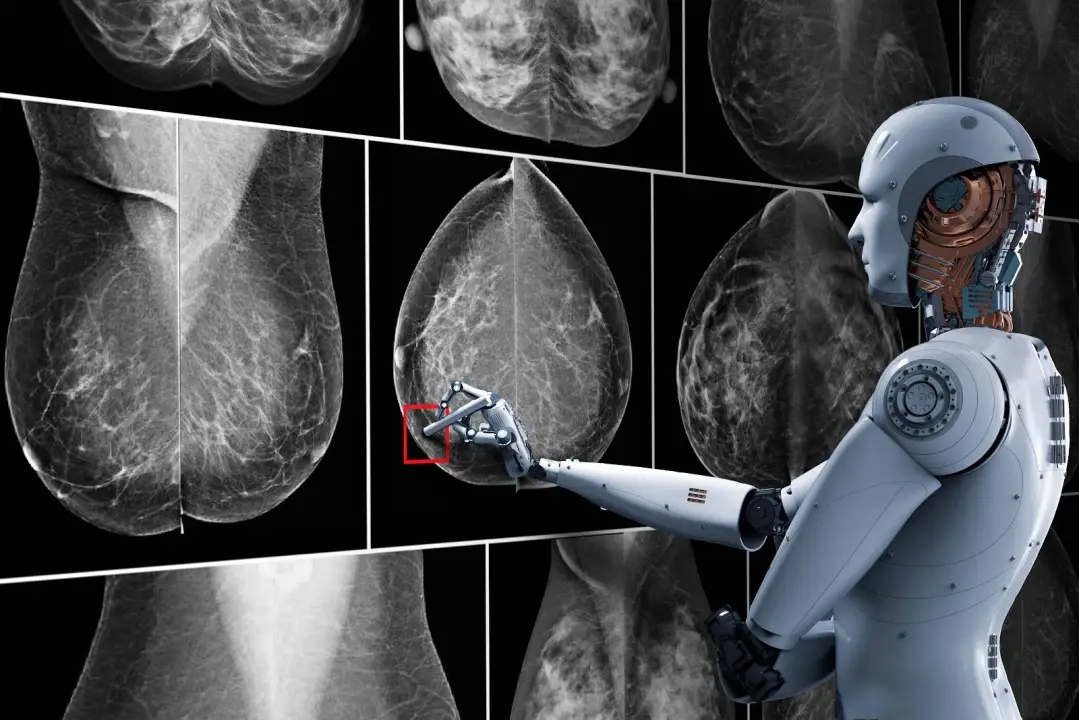
Tactile Imaging Medical Device Solution Helps Detect Breast Cancer Effectively
Winklix developed software for a tactile imaging medical device that helps clinicians detect breast abnormalities through accessible, non-invasive screening.
Contact UsChallenge
A medical device company was developing a tactile imaging device to support breast cancer screening in settings where mammography is not easily available.
The device captured pressure data, but turning it into clear images and insights required sophisticated software:
- Complex sensor data requiring advanced processing.
- Need for clear, intuitive results for clinicians.
- Strict medical device software standards.
- Limited internal software capacity.
The company needed a partner experienced in medical-grade software and AI.
Solution
Winklix built the imaging software and AI components for the device.
Signal processing
Raw pressure sensor data is processed into high-quality tactile images.
AI-assisted analysis
Machine learning models highlight regions of interest for clinician review.
Clinician interface
A simple interface guides examinations and presents results clearly.
Quality and compliance
Development followed medical device software practices with full traceability.
The Approach
- Discovery and planning — We started by understanding business goals, users, constraints and existing systems.
- Agile delivery — The solution was built in short sprints with working releases and regular stakeholder demos.
- Quality built in — Automated testing, code reviews and security checks were part of every release.
- Long-term partnership — After launch, Winklix supported the client with monitoring, enhancements and continuous improvement.
Outcome
The engagement delivered clear, practical results for the client:
- Effective, non-invasive support for breast cancer detection.
- Clear results that clinicians can act on.
- Software built to medical device standards.
- Wider access to screening in underserved settings.
Medical Device Company
Facing a similar challenge? Talk to Winklix about what we could build for you.
Contact WinklixRelated Case Studies:
Highly Secure, Easy-to-Use Mobile Health Telematics Solution for Patients
Read full post