 +1 (347) 746-2125


A Cost-Effective Pain Assessment Tool That Detects Facial Expressions
Winklix developed a native app that uses computer vision to detect changes in facial expressions, helping caregivers assess pain in patients who cannot communicate easily.
Contact UsChallenge
A healthcare technology company wanted to help caregivers assess pain in patients with dementia or communication difficulties.
Pain assessment relied on subjective observation, leading to under-treatment:
- Subjective, inconsistent pain assessments.
- Patients unable to describe their pain.
- Expensive specialist equipment.
- Need for fast, bedside assessment.
The company wanted an objective, affordable tool that worked on everyday devices.
Solution
Winklix built an AI-powered pain assessment app.
Facial analysis model
Computer vision models detect facial muscle movements associated with pain.
On-device processing
Models run on the device for speed and privacy.
Guided assessment
Caregivers combine AI analysis with observational checklists.
Records and trends
Assessments are recorded to track pain over time.
The Approach
- Discovery and planning — We started by understanding business goals, users, constraints and existing systems.
- Agile delivery — The solution was built in short sprints with working releases and regular stakeholder demos.
- Quality built in — Automated testing, code reviews and security checks were part of every release.
- Long-term partnership — After launch, Winklix supported the client with monitoring, enhancements and continuous improvement.
Outcome
The engagement delivered clear, practical results for the client:
- Objective, consistent pain assessment.
- A cost-effective tool on standard smartphones and tablets.
- Better pain management for vulnerable patients.
- Privacy preserved through on-device AI.
Healthcare Technology Company
Facing a similar challenge? Talk to Winklix about what we could build for you.
Contact WinklixRelated Case Studies:
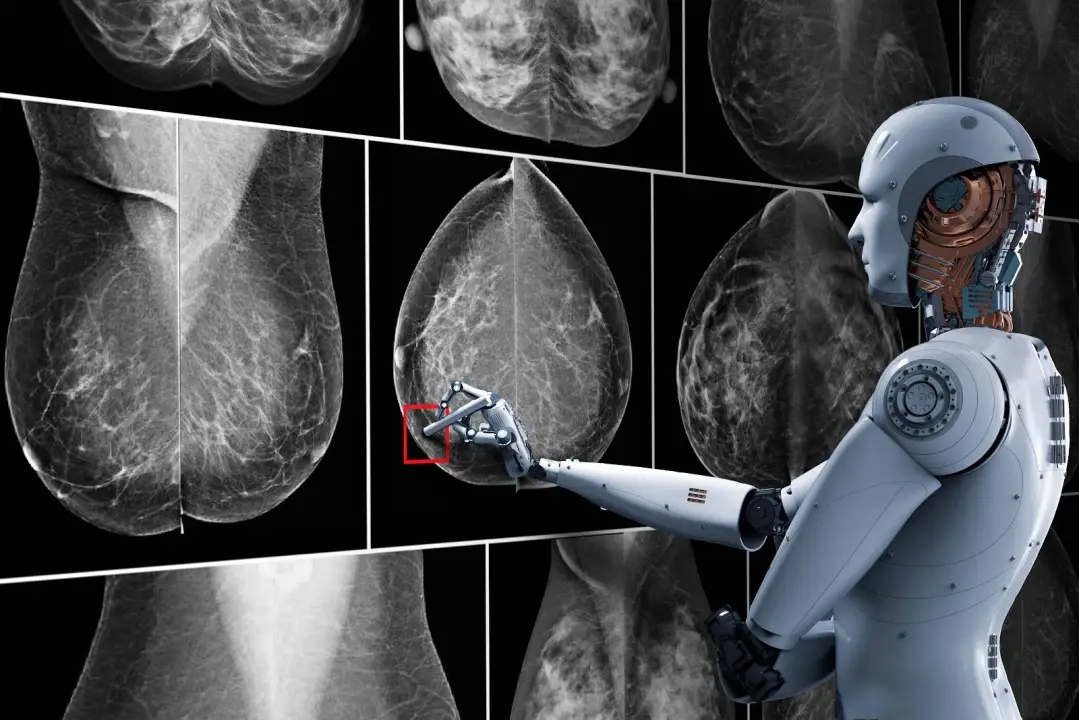
Tactile Imaging Medical Device Solution Helps Detect Breast Cancer Effectively
Read full post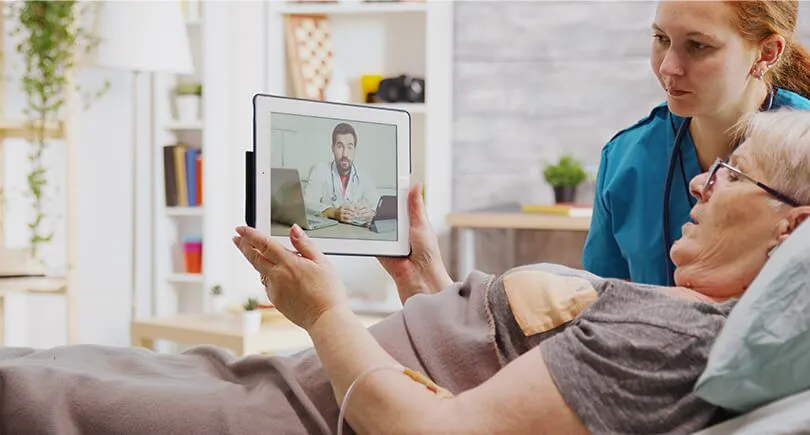

Highly Secure, Easy-to-Use Mobile Health Telematics Solution for Patients
Read full post